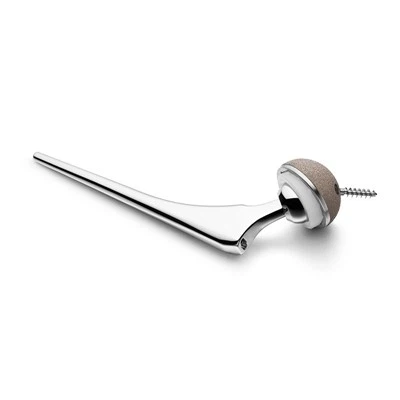
A Dynamic Compression Plate (DCP) is a widely used orthopedic implant in the field of fracture fixation. The surgical procedure for implanting a DCP is a complex yet crucial process that requires a high level of surgical skill and knowledge. As a supplier of Dynamic Compression Plates, I am well - versed in the details of this surgical intervention and its significance in the treatment of fractures.
Pre - operative Preparation
Before the actual surgery, a thorough pre - operative assessment is essential. This includes a comprehensive physical examination of the patient to evaluate their general health status, any pre - existing medical conditions, and the specific characteristics of the fracture. Radiological examinations such as X - rays, CT scans, or MRI are performed to accurately visualize the fracture site and plan the surgical approach.
The surgical team, including the orthopedic surgeon, anesthesiologist, and surgical nurses, must have a detailed understanding of the patient's medical history and the surgical plan. They also need to ensure that all the necessary surgical instruments and implants, including the DCP, are sterilized and readily available in the operating room.
Anesthesia
The choice of anesthesia depends on various factors such as the patient's age, health status, and the location of the fracture. General anesthesia is often preferred for major fractures as it allows the patient to be completely unconscious and relaxed during the procedure, providing the surgeon with better access to the fracture site. In some cases, regional anesthesia, such as spinal or epidural anesthesia, may be used, especially for less - invasive procedures or for patients who may not tolerate general anesthesia well.
Incision and Exposure
Once the patient is under anesthesia, the surgeon makes an incision over the fracture site. The size and location of the incision are carefully planned to provide optimal access to the fracture while minimizing damage to surrounding tissues. The incision is deepened through the skin, subcutaneous tissue, and muscles to expose the fractured bone.
During this process, the surgeon must handle the soft tissues with great care to avoid excessive bleeding and damage to nerves and blood vessels. Hemostasis techniques, such as the use of electrocautery or ligatures, are employed to control bleeding and maintain a clear surgical field.
Reduction of the Fracture
After the fracture site is exposed, the next step is to reduce the fracture. Reduction refers to the realignment of the fractured bone fragments to their normal anatomical position. This can be achieved through either closed reduction or open reduction.
Closed reduction is a non - surgical method where the surgeon manipulates the bones externally to bring the fragments into alignment. It is often used for simple fractures where the bone fragments can be easily repositioned without the need for direct visualization. However, for more complex fractures, open reduction is required. In open reduction, the surgeon directly visualizes the fracture site and uses special instruments to manipulate the bone fragments into the correct position.
Plate Selection
Selecting the appropriate DCP is a critical step in the surgical process. The size and shape of the plate should match the anatomical features of the bone and the characteristics of the fracture. Plate thickness, length, and the number of holes are important considerations.
As a Dynamic Compression Plate supplier, we offer a wide range of plates, including the Calcaneus Plate, which is specifically designed for fractures of the calcaneus bone. Our Dynamic Compression Plate is available in different configurations to meet the diverse needs of patients. Additionally, we also provide the Clavicle Hook Reconstruction Plate for clavicle fractures. The plate should be long enough to span the fracture site and provide stable fixation, but not so long that it causes unnecessary stress on the surrounding bone.
Plate Placement
Once the appropriate DCP is selected, it is placed on the surface of the reduced bone. The plate is carefully positioned to ensure that it lies flush against the bone and that the holes in the plate align with the drill holes in the bone.
Small drill bits are used to create holes in the bone according to the holes in the plate. The screws are then inserted through the holes in the plate and into the bone. The dynamic compression mechanism of the DCP allows for compression of the fracture site as the screws are tightened. This compression helps to promote bone healing by enhancing the contact between the fracture fragments and improving blood supply to the area.
Closure of the Wound
After the plate is securely fixed to the bone, the surgical wound is closed in layers. The muscles are re - approximated, and the subcutaneous tissue and skin are sutured. A sterile dressing is applied to the wound to protect it from infection.
Post - operative Care
Post - operative care is crucial for the successful recovery of the patient. The patient is closely monitored in the post - anesthesia care unit for vital signs and any signs of complications such as bleeding or infection. Pain management is an important aspect of post - operative care, and appropriate analgesics are prescribed to relieve pain.
Physical therapy is usually initiated early in the post - operative period to prevent muscle atrophy, improve joint mobility, and promote bone healing. The patient is instructed on weight - bearing restrictions and proper use of assistive devices such as crutches or braces. Regular follow - up appointments are scheduled to monitor the progress of bone healing and to detect any potential complications.
Significance of DCP in Fracture Treatment
The use of a DCP in fracture treatment offers several advantages. Firstly, it provides stable internal fixation of the fracture, allowing for early mobilization of the affected limb. This early mobilization helps to prevent complications such as joint stiffness and muscle wasting, which are common with prolonged immobilization.
Secondly, the dynamic compression mechanism of the DCP promotes bone healing by providing compression at the fracture site. This compression stimulates the body's natural bone - healing processes, such as the formation of callus, which is essential for the union of the fractured bone.


Contact for Purchase and洽谈
If you are an orthopedic surgeon, a hospital procurement officer, or involved in the orthopedic industry and are interested in our high - quality Dynamic Compression Plates, we welcome you to contact us for procurement and in - depth discussions. We are committed to providing you with the best products and professional technical support.
References
- Muller, M. E., Allgöwer, M., Schneider, R., & Willenegger, H. (1991). Manual of internal fixation: techniques recommended by the AO Group. Springer - Verlag.
- Browner, B. D., Jupiter, J. B., Levine, A. M., & Trafton, P. G. (2010). Skeletal trauma: basic science, management, and reconstruction. Saunders.
- Bucholz, R. W., Heckman, J. D., Court - Brown, C. M., & McKee, M. D. (2017). Rockwood and Green's fractures in adults. Lippincott Williams & Wilkins.