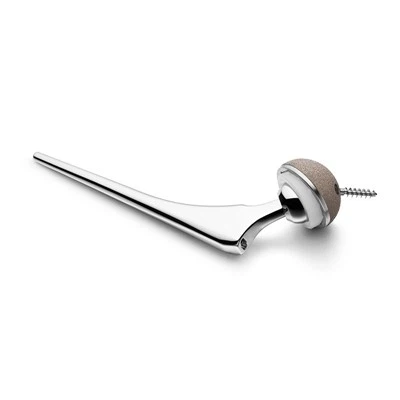
Hey there! As a supplier of Titanium Finger Plates, I often get asked a bunch of questions, and one that pops up quite a bit is, "Are there any age restrictions for using a titanium finger plate?" Well, let's dig into this topic and find out.
First off, let's talk a bit about what titanium finger plates are. They're these super - useful medical devices made from titanium, a metal known for its strength, low weight, and biocompatibility. This means it can pretty much chill out inside our bodies without causing a ruckus. Titanium finger plates are mainly used in hand surgeries to fix broken fingers or other bone - related issues in the hand. They help hold the bones in place so they can heal properly.
Now, when it comes to age restrictions, it's not as straightforward as you might think. There isn't a hard - and - fast rule that says you have to be a certain age to use a titanium finger plate. It all boils down to a bunch of different factors, and age is just one of them.
For Kids
Let's start with the little ones. Children's bones are still growing and developing, which is a whole different ballgame compared to adult bones. In some cases, if a child has a severe finger fracture that can't be treated with simpler methods like casting, a titanium finger plate might be considered.
However, doctors have to be extra careful. The growth plates in children's bones are areas where new bone is formed, and using a plate near these growth plates can potentially mess with the normal growth process. Surgeons need to weigh the benefits of using a plate against the risks. If the fracture is in an area where the growth plate won't be affected, or if the benefits of a quicker and more stable healing outweigh the potential growth - related risks, then a titanium finger plate could be used.
For example, if a young athlete breaks a finger during a sports event and needs to get back in the game as soon as possible, a plate might be a good option. But it's always a team decision involving the orthopedic surgeon, pediatrician, and the child's parents.
For Adults
In the adult world, age isn't usually a major roadblock when it comes to using a titanium finger plate. As long as a person's overall health is okay and they don't have any conditions that would make surgery too risky, a titanium finger plate can be used at any age.
Older adults might have some additional considerations, though. They could have other health issues like diabetes, heart problems, or osteoporosis. These conditions can affect the healing process and the body's ability to tolerate surgery. For instance, osteoporosis can make the bones more brittle, which means the plate might not hold as well. But with proper pre - operative evaluation and management of these conditions, many older adults can still benefit from a titanium finger plate.
On the other hand, younger adults generally have a better ability to recover from surgery. Their bodies are more resilient, and they usually have fewer underlying health problems. So, for them, the decision to use a titanium finger plate is often based more on the nature of the injury rather than age.
Different Types of Titanium Finger Plates
We offer a variety of titanium finger plates to meet different needs. One of them is the T Shape Metacarpal Plate. This plate is designed in a T - shape, which provides good stability and support for certain types of metacarpal fractures. It's great for those injuries where you need a plate that can handle multi - directional forces.
Another option is the L Shape Metacarpal Plate. The L - shape is useful for fractures in specific areas of the metacarpal bone. It can be easily adjusted to fit the contours of the bone, making it a popular choice among surgeons.

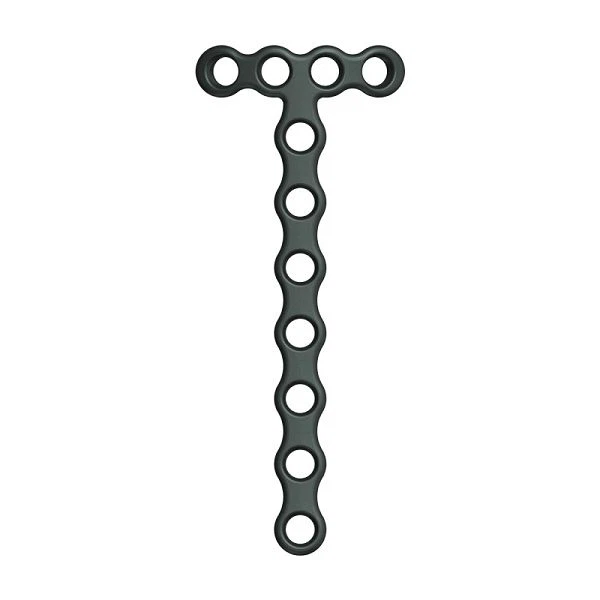
And then there's the 1.5 mm Condylar Locking Plate. This plate is designed for more complex fractures near the condyles of the finger bones. The locking mechanism ensures a secure fit and helps in maintaining the alignment of the bones during the healing process.
Other Factors Affecting the Decision
Apart from age, there are other things that doctors look at when deciding whether to use a titanium finger plate.
- The Nature of the Fracture: A simple fracture might be treated with a cast, while a complex fracture with multiple bone fragments or a displaced fracture is more likely to require a plate.
- Overall Health: As I mentioned earlier, a person's general health plays a big role. Conditions like diabetes, heart disease, or a weakened immune system can increase the risk of complications during and after surgery.
- Patient's Lifestyle: If a person has a physically demanding job or is an athlete, they might need a quicker and more stable healing process. In such cases, a titanium finger plate could be a better option compared to other treatment methods.
Conclusion
So, to sum it all up, there aren't really strict age restrictions for using a titanium finger plate. It's a decision that depends on a whole bunch of factors, and age is just one piece of the puzzle. Whether it's a child with a growing bone or an older adult with some health issues, the goal is always to find the best treatment option for the individual.
If you're in the medical field and are interested in our titanium finger plates, we'd love to have a chat with you. We can provide more detailed information about our products, their features, and how they can be used in different cases. Whether you're looking for the T Shape Metacarpal Plate, L Shape Metacarpal Plate, or the 1.5 mm Condylar Locking Plate, we've got you covered. Reach out to us to start a discussion about your procurement needs.
References
- Campbell's Operative Orthopaedics, 13th Edition
- Journal of Hand Surgery
- Pediatric Orthopaedics textbooks