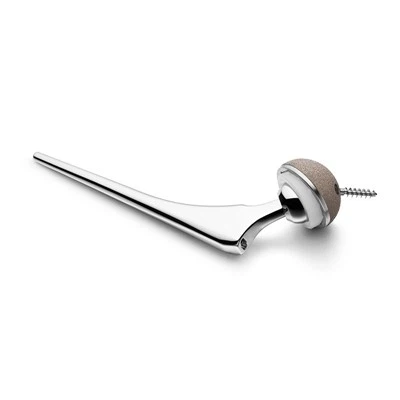
Hey there! As a supplier of DCP plates, I often get asked if there are any international standards for these things. Well, let's dive right into it.
First off, what are DCP plates anyway? DCP stands for Dynamic Compression Plate. Dynamic Compression Plate These are medical devices used in orthopedic surgeries, mainly to fix bone fractures. They work by providing stability and compression to the fractured bone, helping it heal properly.
Now, when it comes to international standards, the answer is a definite yes. The medical industry is highly regulated, and for good reason. Patients' lives are at stake, so we need to make sure that every single DCP plate out there meets certain quality and safety benchmarks.
One of the most well - known international standards organizations is the International Organization for Standardization (ISO). ISO has developed a set of standards for medical devices, including DCP plates. These standards cover a wide range of aspects, from the materials used in manufacturing to the design and performance of the plates.
For example, ISO standardizes the requirements for the materials of DCP plates. Stainless steel and titanium are two of the most commonly used materials for these plates. ISO sets strict rules on the chemical composition, mechanical properties, and corrosion resistance of these materials. This ensures that the plates are strong enough to support the bone during the healing process, yet they won't cause any adverse reactions in the patient's body.
In addition to material standards, ISO also has guidelines for the design and manufacturing of DCP plates. The shape and size of the plates need to be carefully designed to fit different types of bones and fractures. The holes in the plates, where the screws are inserted, must be of the right dimensions and spacing. This is crucial for proper fixation and compression of the bone.
Another important aspect regulated by international standards is sterilization. DCP plates are implanted into the human body, so they need to be completely free of bacteria and other microorganisms. ISO has specific standards for the sterilization methods used for medical devices, such as gamma radiation or ethylene oxide sterilization. These methods ensure that the plates are safe for use.
Let's talk about some of the different types of DCP plates we offer. We have the Calcaneus Plate, which is specifically designed for fractures in the calcaneus bone, also known as the heel bone. The calcaneus is a complex bone, and fractures in this area can be quite challenging to treat. Our calcaneus plates are designed to provide the right amount of support and compression to help the bone heal.
We also have the Clavicle Hook Reconstruction Plate. The clavicle, or collarbone, is another common area for fractures. Our clavicle hook reconstruction plates are designed to fit the unique shape of the clavicle and provide stable fixation. The hook design helps to reconstruct the acromioclavicular joint, which is often affected in clavicle fractures.
These different types of plates also need to meet the same international standards. Whether it's a calcaneus plate or a clavicle hook reconstruction plate, we ensure that they are made from high - quality materials, designed to the right specifications, and sterilized properly.
But why are these international standards so important? Well, for one thing, they ensure patient safety. When a doctor implants a DCP plate into a patient, they need to be confident that the plate is going to work as intended and not cause any harm. International standards give that assurance.


For suppliers like me, it's also a matter of credibility. Meeting these standards shows that we are a reliable and trustworthy supplier. It allows us to compete in the global market and build long - term relationships with customers.
However, it's not always easy to keep up with these standards. The medical industry is constantly evolving, and new research and technologies are emerging all the time. Standards organizations like ISO are constantly updating their requirements to reflect these changes. As a supplier, we need to stay on top of these updates and make sure that our manufacturing processes and products always meet the latest standards.
We invest a lot in research and development to improve our products and ensure their compliance with international standards. We work with medical experts and researchers to understand the needs of patients and doctors better. This helps us to design and manufacture DCP plates that not only meet the standards but also provide the best possible outcomes for patients.
If you're in the market for DCP plates, you should always look for suppliers who comply with international standards. A compliant supplier is more likely to provide high - quality products that are safe and effective. You can ask for certifications and documentation to verify a supplier's compliance.
In conclusion, international standards play a crucial role in the manufacturing and use of DCP plates. They ensure patient safety, provide credibility for suppliers, and drive innovation in the medical industry. At our company, we are committed to meeting these standards and providing the best DCP plates on the market.
If you're interested in learning more about our DCP plates or would like to discuss a potential purchase, don't hesitate to reach out. We're here to answer any questions you might have and help you find the right solutions for your needs.
References
- ISO standards for medical devices
- Medical literature on orthopedic implants and fracture treatment