Can an intramedullary nail lead to non - union of the fracture?
As a supplier of intramedullary nails, I've been deeply involved in the orthopedic implant industry. Intramedullary nails are widely used in the treatment of various fractures, offering stability and promoting the healing process. However, a question that often arises is whether an intramedullary nail can lead to non - union of the fracture.


Understanding Intramedullary Nails
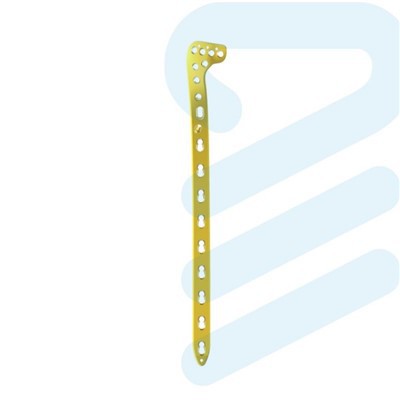
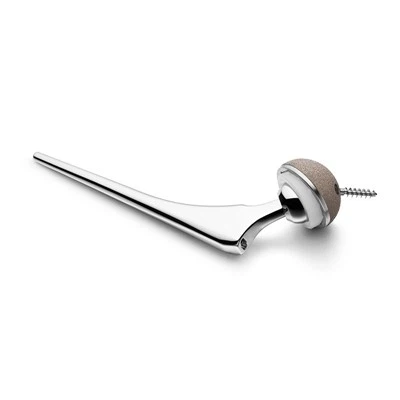
Intramedullary nails are surgical implants inserted into the medullary canal of a long bone to stabilize a fracture. They come in different types and materials to suit various clinical needs. For instance, we offer Intramedullary Nail Intertrochanteric Fracture, which is specifically designed for intertrochanteric fractures of the femur. This type of nail provides excellent fixation and support, allowing patients to recover more quickly.
Another type is the Elastic Intramedullary Nail. These nails are flexible and are often used in pediatric fractures or certain types of adult fractures where a more dynamic form of fixation is required. They can adapt to the movement of the bone during the healing process, reducing stress on the fracture site.
We also have Titanium Intramedullary Nail. Titanium is a popular material for orthopedic implants due to its biocompatibility, strength, and corrosion resistance. Titanium intramedullary nails are lightweight and can be well - tolerated by the body, minimizing the risk of adverse reactions.
Factors Affecting Fracture Healing
To understand whether an intramedullary nail can cause non - union, we first need to look at the factors that influence fracture healing. Fracture healing is a complex biological process that involves inflammation, soft callus formation, hard callus formation, and remodeling.
- Patient - related factors: The patient's age, overall health, and lifestyle can significantly impact fracture healing. Older patients may have a slower healing process due to reduced bone metabolism. Patients with underlying medical conditions such as diabetes, osteoporosis, or vascular diseases may also experience delayed healing or non - union. Smoking and excessive alcohol consumption can also impair blood flow to the fracture site, affecting the delivery of oxygen and nutrients necessary for healing.
- Fracture - related factors: The type, location, and severity of the fracture play a crucial role. Comminuted fractures, where the bone is broken into multiple pieces, are more likely to result in non - union compared to simple fractures. Fractures in areas with poor blood supply, such as the scaphoid bone in the wrist or the femoral neck, also have a higher risk of non - union.
- Surgical factors: The surgical technique used to insert the intramedullary nail is important. Improper nail placement, such as incorrect alignment or inadequate fixation, can lead to instability at the fracture site. This instability can prevent the formation of a proper callus and ultimately result in non - union. Additionally, excessive soft tissue damage during surgery can disrupt the blood supply to the bone, further hindering the healing process.
Can an Intramedullary Nail Cause Non - Union?
In most cases, intramedullary nails are effective in promoting fracture healing. They provide stable fixation, which allows the bone to heal in the correct position. However, there are situations where an intramedullary nail may be associated with non - union.
One possible reason is infection. If an infection occurs at the fracture site after nail insertion, it can disrupt the normal healing process. Bacteria can cause inflammation and damage to the bone and surrounding tissues, preventing the formation of callus. In severe cases, the infection may lead to osteomyelitis, a serious bone infection that can be difficult to treat and may result in non - union.
Another factor is stress shielding. When an intramedullary nail is too rigid, it may bear a significant portion of the load that the bone would normally承受. This can lead to reduced mechanical stimulation of the bone, which is necessary for bone remodeling and healing. Over time, the bone may become weaker, and non - union may occur.
However, it's important to note that these issues are not inherent to intramedullary nails themselves. With proper patient selection, surgical technique, and post - operative care, the risk of non - union can be minimized.
Preventing Non - Union
To prevent non - union when using intramedullary nails, several measures can be taken.
- Pre - operative assessment: Thoroughly evaluate the patient's health status, including any underlying medical conditions. Optimize the patient's health before surgery to improve the chances of successful healing.
- Surgical planning: Use advanced imaging techniques to accurately plan the nail insertion. Ensure proper alignment and fixation of the nail to provide stable support for the fracture.
- Infection prevention: Strict aseptic techniques should be followed during surgery. Prophylactic antibiotics may be administered to reduce the risk of infection.
- Post - operative care: Patients should be closely monitored after surgery. Physical therapy and rehabilitation programs should be tailored to the patient's specific needs to promote proper bone healing and restore function.
Conclusion
In conclusion, while an intramedullary nail has the potential to be associated with non - union of a fracture, this is not a common occurrence when proper protocols are followed. Intramedullary nails are valuable tools in orthopedic surgery, offering many benefits in terms of fracture stabilization and healing.
As a supplier of high - quality intramedullary nails, we are committed to providing products that meet the highest standards of safety and efficacy. Our team of experts is always available to provide support and guidance to medical professionals in choosing the right nail for each patient.
If you are interested in our intramedullary nails or have any questions regarding their use, we encourage you to contact us for further discussion and potential procurement. We look forward to working with you to improve patient outcomes in orthopedic care.
References
- Einhorn TA. Enhancement of fracture healing. J Bone Joint Surg Am. 1995;77(6):940 - 956.
- Bucholz RW, Heckman JD, Court - Brown CM, Tornetta P III, eds. Rockwood and Green's Fractures in Adults. 7th ed. Philadelphia, PA: Lippincott Williams & Wilkins; 2010.
- Marsh JL. Fracture healing. Instr Course Lect. 2002;51:251 - 266.