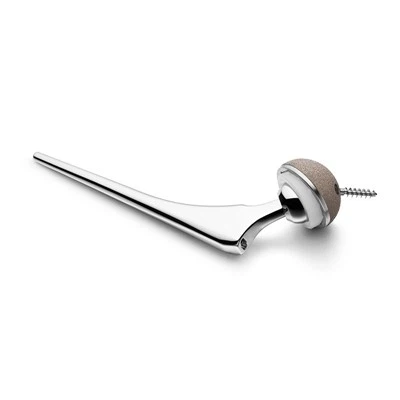
Yo, what's up, aerospace enthusiasts! I'm stoked to have you here on my blog. As a proud supplier of LCP plates, I've been getting a ton of questions lately about whether these plates can be used in aerospace applications. So, I thought I'd take a deep dive into this topic and share my thoughts with you.
First things first, let's talk about what an LCP plate is. LCP stands for Locking Compression Plate, and it's a type of orthopedic implant that's commonly used in the medical field to treat fractures. These plates are made from high-strength materials like titanium and stainless steel, and they're designed to provide a stable fixation for broken bones. The locking mechanism on the plate allows for screws to be securely attached, which helps to prevent the plate from shifting or loosening over time.
Now, you might be wondering, "What does this have to do with aerospace?" Well, the aerospace industry is constantly looking for new and innovative materials and technologies to improve the performance and safety of their aircraft. And while LCP plates were originally designed for medical use, they actually have a lot of properties that make them a potential candidate for aerospace applications.
One of the key advantages of LCP plates is their high strength-to-weight ratio. In aerospace, weight is a critical factor, as every pound of extra weight can increase fuel consumption and reduce the aircraft's range and performance. LCP plates are made from lightweight materials like titanium, which means they can provide the same level of strength as heavier materials like steel, but with a significantly lower weight. This makes them an attractive option for aerospace engineers who are looking to reduce the weight of their aircraft without sacrificing strength or durability.
Another advantage of LCP plates is their corrosion resistance. In aerospace, aircraft are exposed to a variety of harsh environments, including saltwater, humidity, and extreme temperatures. These conditions can cause corrosion and damage to the aircraft's components, which can lead to safety issues and costly repairs. LCP plates are made from materials that are highly resistant to corrosion, which means they can withstand these harsh environments without deteriorating or losing their strength.
In addition to their strength and corrosion resistance, LCP plates also have excellent fatigue resistance. Fatigue is a common problem in aerospace, as aircraft components are subjected to repeated stress and strain over time. This can cause cracks and other forms of damage to develop, which can ultimately lead to component failure. LCP plates are designed to withstand these repeated stresses and strains, which means they can provide a long service life and reduce the need for frequent maintenance and repair.
So, based on these properties, it seems like LCP plates could be a great option for aerospace applications. But before we start using them in aircraft, there are a few things we need to consider.
One of the main challenges of using LCP plates in aerospace is the cost. LCP plates are typically more expensive than traditional aerospace materials like aluminum and steel. This is because they're made from high-strength materials and require specialized manufacturing processes. However, as the aerospace industry continues to look for ways to reduce weight and improve performance, the cost of LCP plates may become more competitive over time.
Another challenge is the regulatory environment. The aerospace industry is highly regulated, and any new material or technology that's used in aircraft must meet strict safety and performance standards. Before LCP plates can be used in aerospace applications, they'll need to undergo extensive testing and certification to ensure they meet these standards. This process can be time-consuming and expensive, but it's necessary to ensure the safety and reliability of the aircraft.


Despite these challenges, I believe that LCP plates have a lot of potential in the aerospace industry. As a supplier of LCP plates, I'm excited to see how these plates can be used to improve the performance and safety of aircraft. And if you're an aerospace engineer or manufacturer who's interested in learning more about LCP plates, I'd love to hear from you.
We offer a wide range of LCP plates, including the Anterior Upper Clavical Locking Plate, Anatomical Locking Plate, and Distal Lateral Humeral Locking Plate. These plates are designed to meet the highest quality and performance standards, and we're confident that they can provide a reliable solution for your aerospace applications.
If you're interested in discussing your specific requirements or would like to request a quote, please don't hesitate to reach out. We're here to help you find the best LCP plate solution for your needs.
In conclusion, while there are still some challenges to overcome, the use of LCP plates in aerospace applications is definitely an exciting possibility. With their high strength-to-weight ratio, corrosion resistance, and fatigue resistance, these plates have the potential to revolutionize the aerospace industry. So, if you're looking for a way to improve the performance and safety of your aircraft, I encourage you to consider LCP plates.
References
- Some relevant research on high - strength lightweight materials in aerospace.
- Industry standards for aerospace component materials.
- Studies on the mechanical properties of LCP plates.