So, you've had a Calcaneus Plate implanted, and now you're wondering what comes next. As a supplier of these plates, I'm here to break down the post - removal follow - up requirements for you.
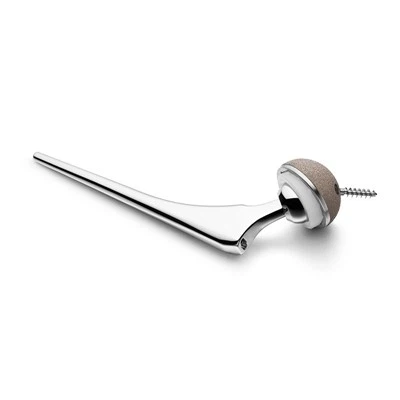
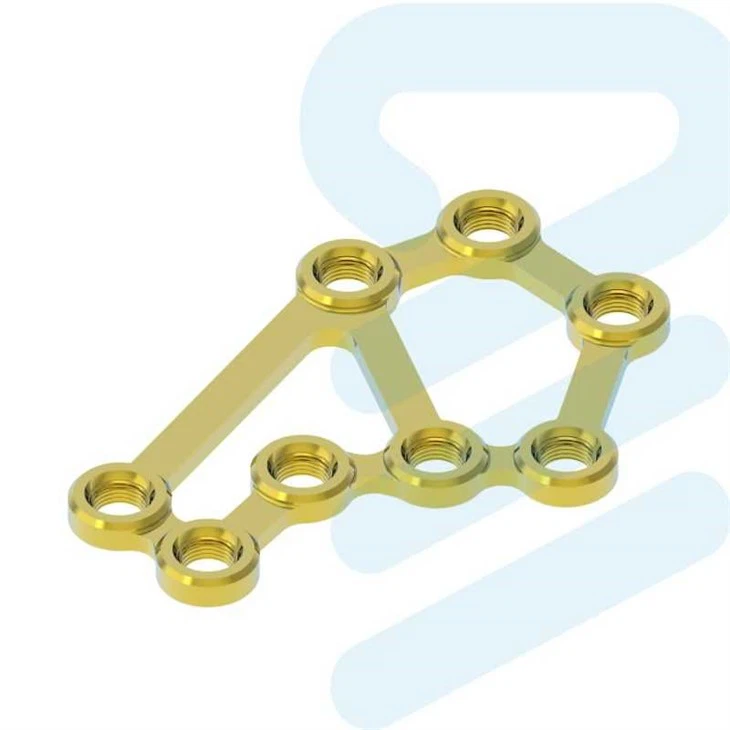
First off, let's quickly touch on what a Calcaneus Plate is. A Calcaneus Plate is a medical device used to fix fractures in the calcaneus, which is the heel bone. It provides stability during the healing process, and once the bone has mended, the plate may be removed.
Immediate Post - Removal Care
Right after the plate removal surgery, you're gonna be in the hospital for a short while. The medical team will keep a close eye on your wound. They'll check for any signs of bleeding, swelling, or infection. You'll likely have a dressing on the incision site, and they'll change it regularly to keep it clean and dry.
Pain management is also a big deal at this stage. You'll probably be given painkillers to help ease the discomfort. It's important to take them as prescribed, but also be aware of any side effects. If you feel anything out of the ordinary, like excessive drowsiness or an upset stomach, let the doctor know right away.
Mobility and Weight - Bearing
In the first few days after the surgery, you'll need to keep weight off the heel. You might be given crutches or a wheelchair to help you get around. The doctor will tell you when it's okay to start putting some weight on the foot. It's usually a gradual process.
At first, you might just do some light toe - tapping exercises while sitting. Then, as your strength comes back, you can start to take a few small steps with partial weight - bearing. Eventually, you'll be able to walk normally again, but this can take several weeks. Physical therapy is often recommended to help with the recovery of your mobility. A therapist will teach you specific exercises to strengthen the ankle and foot muscles. This can help prevent future injuries and improve your overall gait.
Wound Healing
The wound where the plate was removed needs time to heal. You need to keep it clean and protected. Make sure to follow the doctor's instructions on how to clean the wound. You'll usually be told to use a mild soap and warm water, and then pat it dry gently.
Avoid getting the wound wet for too long. If you need to take a shower, cover the wound with a waterproof dressing. Any signs of redness, warmth, pus, or a foul smell from the wound could be a sign of infection. If you notice any of these, call your doctor immediately.
Monitoring for Complications
There are some potential complications after Calcaneus Plate removal that you need to watch out for. One of the most common is nerve damage. You might feel numbness, tingling, or a burning sensation in the foot. This could be a sign that a nerve was irritated during the surgery.
Another complication is osteoporosis. Since the plate was providing support to the bone, once it's removed, the bone might be a bit weaker. Your doctor might recommend some calcium and vitamin D supplements or other medications to help strengthen the bone.
Blood clots are also a concern. You should keep an eye out for swelling, pain, and redness in the calf. If you experience any of these symptoms, it could be a sign of a blood clot, and you need to seek medical attention right away.
Follow - up Appointments
You'll have several follow - up appointments with your doctor after the plate removal. These appointments are crucial to monitor your progress and make sure there are no complications.
The first appointment will probably be a few days after the surgery. The doctor will check the wound and see how you're doing with pain management. They'll also ask you about your mobility and any other symptoms you might be having.
Subsequent appointments will be spaced out over the next few weeks and months. During these, the doctor might take X - rays to check the bone healing and make sure there are no signs of new fractures or other issues.

Psychological Impact
Don't forget about the psychological side of things. Going through surgery and the recovery process can be stressful. You might be worried about whether you'll fully recover or if you'll be able to do the activities you used to do.
It's okay to talk to your friends, family, or a counselor about how you're feeling. Connecting with others who have gone through similar experiences can also be helpful. There are many online support groups where you can share your story and get advice from others.
Comparison with Other Plates
You might be wondering how the post - removal follow - up for a Calcaneus Plate compares to other plates, like the Dynamic Compression Plate or the Clavicle Hook Reconstruction Plate.
The overall principles are similar. For all of these plates, wound care, pain management, and monitoring for complications are important. However, the specific recovery times and weight - bearing restrictions can vary depending on the location of the bone and the type of injury.
For example, the recovery from a Clavicle Hook Reconstruction Plate removal might be quicker in terms of mobility, as the shoulder joint is more mobile than the ankle. But the pain and wound care requirements are still similar.
Our Role as a Supplier
As a Calcaneus Plate supplier, we understand the importance of providing high - quality products that contribute to a smooth recovery. We work closely with medical professionals to ensure that our plates are designed to meet the specific needs of patients.
We're also committed to providing support and information about post - removal follow - up. We can offer resources and advice to help patients and medical teams navigate the recovery process. Whether it's answering questions about the product or providing educational materials, we're here to do our part.
Contact Us for More Information
If you're a medical professional or a distributor interested in our Calcaneus Plates, we'd love to hear from you. Whether you have questions about our products, pricing, or how to place an order, we're just a message away. We can provide you with detailed information about our product catalog, and we'll work with you to meet your specific needs. Don't hesitate to reach out if you're looking for a reliable supplier of high - quality Calcaneus Plates.
References
- Orthopedic Trauma Association. "Clinical Practice Guidelines for Fracture Management."
- Campbell's Operative Orthopaedics. Multiple editions covering foot and ankle surgeries.
- Journal of Orthopaedic Trauma. Articles on post - operative care and complications related to bone plate removals.