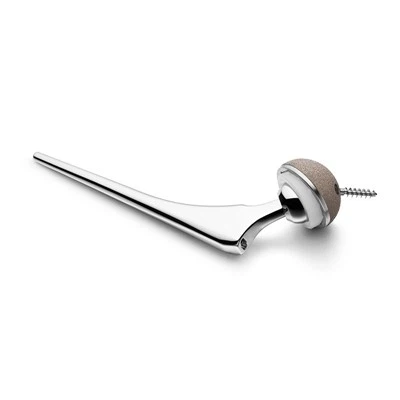
Yoga is a holistic practice that combines physical postures, breathing techniques, and meditation, offering numerous health benefits such as improved flexibility, strength, and mental well - being. For individuals who have undergone hip replacement surgery, the question of whether they can do yoga is a common one. As a hip replacement implants supplier, I'm here to provide some in - depth insights into this topic.
Understanding Hip Replacement Implants
Before delving into the relationship between yoga and hip replacement, it's essential to understand the different types of hip replacement implants. There are two main types: Cementless Hip Replacement and Cemented Hip Replacement.
In a cemented hip replacement, the implant is fixed to the bone using a special bone cement. This method provides immediate stability, allowing patients to bear weight on the new hip sooner. On the other hand, Cementless Hip Replacement Implant relies on the bone to grow into the porous surface of the implant over time. This process takes longer for the implant to become fully stable, but it can offer long - term benefits in terms of implant durability.
General Considerations After Hip Replacement
After hip replacement surgery, the recovery process is crucial. The initial phase focuses on wound healing, pain management, and regaining basic mobility. Physical therapy is an integral part of this stage, helping patients to strengthen the muscles around the hip joint and improve range of motion.
During the first few months, patients need to follow certain precautions to protect the new hip. These may include avoiding extreme hip flexion (bending the hip too far), internal rotation (turning the hip inward), and adduction (bringing the leg across the midline of the body). These restrictions are in place to prevent dislocation of the hip implant, which can be a serious complication.
Can You Do Yoga After Hip Replacement?
The answer is generally yes, but with some important caveats. Yoga can be a great form of exercise for hip replacement patients once they have fully recovered. It can help improve flexibility, strengthen the muscles around the hip joint, and enhance balance, which are all important for maintaining a healthy hip and preventing future problems.
However, it's crucial to start slowly and gradually increase the intensity of the yoga practice. In the early stages of recovery, patients should avoid poses that put excessive stress on the hip joint or violate the post - operative precautions. For example, deep forward bends, full lotus pose, and poses that require extreme hip rotation should be avoided.


Benefits of Yoga After Hip Replacement
- Improved Flexibility: Yoga poses gently stretch the muscles and connective tissues around the hip joint, gradually increasing flexibility. This can help reduce stiffness and improve the range of motion in the hip.
- Strengthened Muscles: Many yoga poses engage the muscles of the hips, thighs, and core. Strengthening these muscles can provide better support for the hip joint, reducing the risk of injury and improving overall function.
- Enhanced Balance: Balance is an important aspect of daily life, and it can be compromised after hip replacement surgery. Yoga poses that focus on balance, such as tree pose or warrior III, can help improve stability and reduce the risk of falls.
- Mental Well - being: The meditative and breathing aspects of yoga can help reduce stress and anxiety, which are common after a major surgery. A positive mental state can also contribute to a faster and more successful recovery.
Choosing the Right Yoga Poses
When starting yoga after hip replacement, it's best to focus on gentle poses that are safe for the hip joint. Here are some examples:
- Mountain Pose (Tadasana): This simple standing pose helps improve posture and balance. Stand with your feet together, shoulders relaxed, and arms at your sides. Engage your core muscles and lift your chest slightly.
- Warrior I (Virabhadrasana I): This pose strengthens the legs and hips. Step one foot back about 3 - 4 feet, bend the front knee over the ankle, and keep the back leg straight. Extend your arms overhead.
- Bridge Pose (Setu Bandhasana): Lie on your back with your knees bent and feet flat on the floor. Lift your hips off the floor, keeping your back straight. This pose strengthens the glutes and hamstrings, which are important for hip stability.
- Corpse Pose (Savasana): This relaxation pose is essential for reducing stress and allowing the body to recover. Lie on your back with your arms and legs relaxed, and close your eyes.
Working with a Qualified Yoga Instructor
It's highly recommended that hip replacement patients work with a qualified yoga instructor who has experience working with individuals who have had joint replacements. A good instructor can modify poses to suit the patient's specific needs and limitations, ensuring a safe and effective yoga practice.
The instructor can also monitor the patient's progress and make adjustments to the yoga routine as the patient recovers. They can provide valuable feedback on proper alignment and technique, which is crucial for preventing injury and getting the most out of the yoga practice.
Precautions and Warning Signs
Even when practicing yoga safely, hip replacement patients should be aware of certain precautions and warning signs. If you experience pain, discomfort, or instability in the hip joint during or after yoga, stop the practice immediately and consult your doctor.
It's also important to listen to your body and not push yourself too hard. Remember that recovery from hip replacement surgery is a gradual process, and it may take several months or even a year to fully regain strength and flexibility.
Conclusion
In conclusion, yoga can be a beneficial form of exercise for individuals who have had hip replacement surgery. It offers a range of physical and mental health benefits, but it's important to approach it with caution and under the guidance of a qualified instructor.
As a hip replacement implants supplier, I understand the importance of providing patients with the information they need to make informed decisions about their post - operative care. If you're interested in learning more about our hip replacement implants or have any questions about hip replacement surgery and recovery, I encourage you to reach out to us for a procurement discussion. We're here to support you every step of the way.
References
- American Academy of Orthopaedic Surgeons. (2023). Hip Replacement Surgery.
- Mayo Clinic. (2023). Yoga: A gentle way to improve your health.
- National Center for Complementary and Integrative Health. (2023). Yoga for Health.