

Do mini plates come in a hammered finish? This is a question that I, as a mini plate supplier, often encounter from customers in various industries. In this blog, I'll delve into the details of mini plates, explore whether they can have a hammered finish, and share insights based on my experience in the field.
Understanding Mini Plates
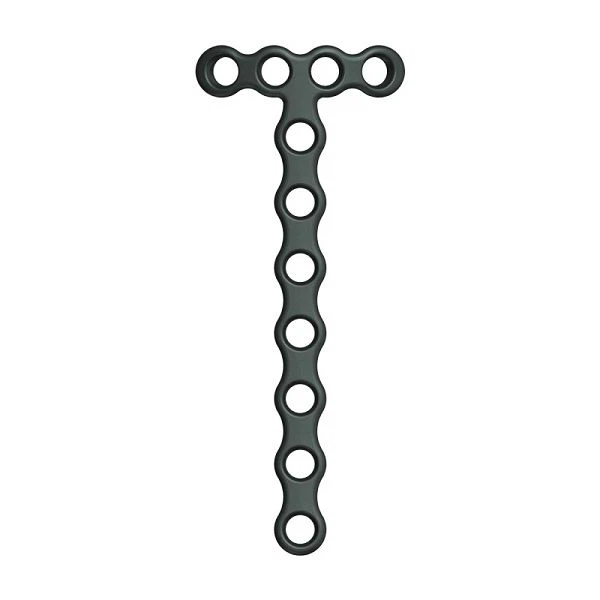
Mini plates are versatile components used in a wide range of applications, from medical to industrial. In the medical field, they are crucial for trauma implants, such as Titanium Finger Plate, T Shape Maxillofacial Plate, and 1.5 mm Condylar Locking Plate. These plates are designed to provide stability and support during the healing process of fractures. In industrial settings, mini plates can be used in machinery, electronics, and other precision equipment.
The Concept of Hammered Finish
A hammered finish is a surface treatment that gives the metal a textured, irregular appearance, as if it has been struck with a hammer. This finish is not only aesthetically appealing but also has some practical advantages. It can hide minor scratches and imperfections on the surface, and in some cases, it can enhance the grip or friction of the plate.
Mini Plates and Hammered Finish
So, do mini plates come in a hammered finish? The answer is yes, but it depends on several factors.
Material Compatibility
The type of material used for the mini plate plays a significant role in determining whether a hammered finish can be applied. Metals like stainless steel, titanium, and aluminum are commonly used for mini plates, and they can generally be treated to achieve a hammered finish. However, the process may vary depending on the specific properties of the metal. For example, titanium is a strong and lightweight metal commonly used in medical implants. While it can be given a hammered finish, the process needs to be carefully controlled to ensure that the integrity of the plate is not compromised.
Application Requirements
The intended application of the mini plate also affects the feasibility of a hammered finish. In medical applications, the surface finish of the plate needs to meet strict standards to ensure biocompatibility and proper functioning. A hammered finish may not be suitable for all medical procedures, as it could potentially harbor bacteria or interfere with the healing process. On the other hand, in industrial applications where aesthetics and grip are more important, a hammered finish can be a great option.
Manufacturing Process
The manufacturing process of the mini plate is another crucial factor. Producing a mini plate with a hammered finish requires specialized equipment and techniques. The plate needs to be carefully shaped and then treated to create the desired texture. This process can be more time-consuming and expensive compared to a smooth finish. As a supplier, we need to balance the customer's requirements with the cost and complexity of the manufacturing process.
Advantages of Hammered Finish on Mini Plates
Despite the challenges, there are several advantages to having a hammered finish on mini plates.
Aesthetics
A hammered finish can give the mini plate a unique and attractive appearance. This can be particularly beneficial in applications where the plate is visible, such as in decorative or architectural elements.
Durability
The textured surface of a hammered finish can help to hide scratches and wear, making the plate more durable over time. This is especially important in industrial applications where the plate may be exposed to rough handling or abrasive materials.
Grip and Friction
In some cases, the hammered finish can enhance the grip or friction of the plate. This can be useful in applications where the plate needs to hold onto other components or provide a stable surface for movement.
Disadvantages of Hammered Finish on Mini Plates
However, there are also some disadvantages to consider.
Cost
As mentioned earlier, producing a mini plate with a hammered finish can be more expensive due to the additional manufacturing steps involved. This cost may be a deterrent for some customers, especially in price-sensitive markets.
Cleaning and Maintenance
A hammered finish can make the plate more difficult to clean, as dirt and debris can get trapped in the textured surface. In medical applications, this can be a significant concern, as proper cleaning is essential to prevent infection.
Surface Roughness
The rough surface of a hammered finish may not be suitable for all applications. In some cases, it could cause damage to other components or interfere with the smooth operation of the equipment.
Our Offerings as a Supplier
As a mini plate supplier, we understand the diverse needs of our customers. We offer a range of mini plates, including those with a hammered finish. Our team of experts can work closely with you to determine the best material, finish, and manufacturing process for your specific application. Whether you need a mini plate for medical, industrial, or other purposes, we can provide you with high-quality products that meet your requirements.
Contact Us for Procurement
If you are interested in our mini plates, including those with a hammered finish, we invite you to contact us for procurement discussions. Our sales team is ready to answer your questions, provide detailed product information, and assist you in finding the best solution for your needs. We believe in building long-term partnerships with our customers, and we are committed to providing excellent service and support throughout the procurement process.

References
- [List of relevant industry standards and research papers on mini plates and surface finishes]
- [Case studies or examples of successful applications of mini plates with hammered finish]
- [Technical documentation on the manufacturing processes of mini plates and hammered finishes]






