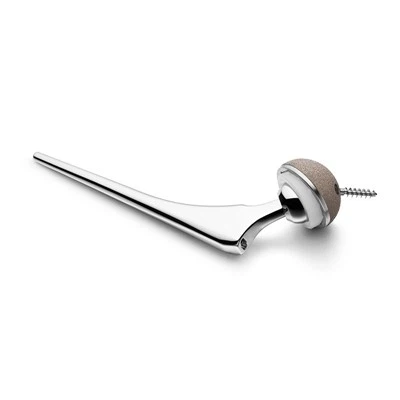
Managing respiratory risks during a trauma screw implant is a critical aspect of orthopedic surgery that demands meticulous attention and comprehensive strategies. As a trauma screw implant supplier, I understand the significance of ensuring patient safety and optimal surgical outcomes. In this blog, I will delve into the various methods and considerations for managing respiratory risks during trauma screw implant procedures.
Understanding the Respiratory Risks
Trauma screw implant surgeries, while essential for treating fractures and stabilizing bones, can pose significant respiratory risks to patients. These risks can stem from several factors, including the patient's pre - existing respiratory conditions, the nature of the trauma itself, and the surgical approach.
Patients with pre - existing respiratory diseases such as chronic obstructive pulmonary disease (COPD), asthma, or sleep apnea are at a higher risk of respiratory complications during and after surgery. The trauma itself, especially if it involves the chest or abdomen, can lead to rib fractures, pneumothorax, or hemothorax, all of which can severely impact respiratory function. Additionally, the use of general anesthesia during the trauma screw implant procedure can further depress the respiratory system, leading to hypoventilation, airway obstruction, or aspiration.
Pre - operative Assessment
A thorough pre - operative assessment is the first step in managing respiratory risks. This assessment should include a detailed medical history, focusing on any pre - existing respiratory conditions, smoking history, and previous anesthesia experiences. Physical examination should pay special attention to the patient's respiratory rate, oxygen saturation, and the presence of any signs of respiratory distress.
Laboratory tests, such as arterial blood gas analysis, can provide valuable information about the patient's oxygenation and ventilation status. Pulmonary function tests (PFTs) may also be performed to assess the patient's lung capacity and airflow. For patients with significant respiratory impairment, a consultation with a pulmonologist may be necessary to optimize their respiratory function before surgery.
Anesthesia Management
Anesthesia plays a crucial role in managing respiratory risks during trauma screw implant procedures. The choice of anesthesia technique should be carefully considered based on the patient's overall health, the type and location of the trauma, and the complexity of the surgery.
Regional anesthesia, such as spinal or epidural anesthesia, can be a preferred option for some patients as it can provide effective pain relief with less impact on the respiratory system compared to general anesthesia. However, in cases where general anesthesia is required, careful airway management is essential. This includes the use of appropriate airway devices, such as endotracheal tubes or laryngeal mask airways, to ensure adequate ventilation and oxygenation.
Intra - operative monitoring of the patient's respiratory parameters, such as oxygen saturation, end - tidal carbon dioxide (EtCO₂), and respiratory rate, is crucial. These parameters can help detect early signs of respiratory complications and allow for timely intervention.
Surgical Considerations
The surgical approach and technique can also influence respiratory risks. Minimally invasive surgical techniques are generally preferred as they are associated with less tissue trauma, reduced blood loss, and faster recovery compared to open surgeries. This can lead to a lower incidence of respiratory complications.
During the trauma screw implant procedure, the surgeon should be aware of the potential for damage to adjacent structures, especially those in the chest or abdomen. Careful dissection and placement of the screws can help prevent injury to the lungs or other vital organs. Additionally, the use of appropriate retractors and surgical instruments can minimize the risk of compression or displacement of the respiratory structures.
Post - operative Care
Post - operative care is equally important in managing respiratory risks. Patients should be closely monitored in the post - anesthesia care unit (PACU) for any signs of respiratory complications. Early mobilization and incentive spirometry can help prevent atelectasis and improve lung function.
Oxygen therapy may be required to maintain adequate oxygen saturation, especially for patients with pre - existing respiratory conditions or those who have experienced significant intraoperative blood loss. Pain management is also crucial as uncontrolled pain can lead to shallow breathing and decreased lung expansion.
Use of Our Trauma Screw Implants
At our company, we offer a wide range of high - quality trauma screw implants, including the 3.5 mm Cortical Screw, 4.0 mm Cancellous Screw, and Self Tapping Locking Screw. These screws are designed to provide strong fixation and stability, which can contribute to a more successful surgical outcome and potentially reduce the overall stress on the patient's body, including the respiratory system.


Our trauma screw implants are made from high - grade materials that are biocompatible and have excellent mechanical properties. They are available in various sizes and configurations to meet the specific needs of different trauma cases. The precision manufacturing of our screws ensures accurate placement and reliable performance, which can help minimize the risk of surgical complications and improve patient recovery.
Conclusion
Managing respiratory risks during trauma screw implant procedures requires a multidisciplinary approach involving surgeons, anesthesiologists, nurses, and other healthcare professionals. By conducting a thorough pre - operative assessment, carefully managing anesthesia, choosing appropriate surgical techniques, and providing comprehensive post - operative care, the incidence of respiratory complications can be significantly reduced.
As a trauma screw implant supplier, we are committed to providing high - quality products that can contribute to the success of these procedures. If you are interested in learning more about our trauma screw implants or would like to discuss potential procurement opportunities, please feel free to reach out to us. We look forward to the possibility of working with you to improve patient outcomes in trauma surgery.
References
- Miller RD, Eriksson LI, Fleisher LA, et al. Miller's Anesthesia. 9th ed. Philadelphia, PA: Elsevier; 2020.
- Barash PG, Cullen BF, Stoelting RK, et al. Clinical Anesthesia. 8th ed. Philadelphia, PA: Lippincott Williams & Wilkins; 2021.
- Browner BD, Jupiter JB, Levine AM, et al. Skeletal Trauma: Basic Science, Management, and Reconstruction. 5th ed. Philadelphia, PA: Elsevier; 2018.