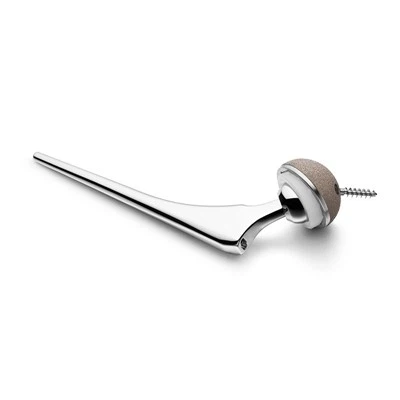
Hey there! As a supplier of spinal fusion implants, I've seen a lot of discussions around spinal fusion and the different methods out there. In this blog, I'm gonna break down how spinal fusion implants stack up against non - implant spinal fusion methods.
First off, let's get a quick understanding of what spinal fusion is. It's a surgical procedure that joins two or more vertebrae in the spine. The goal is to stop the movement between these vertebrae, which can help with issues like pain caused by instability, fractures, or certain spinal diseases.
Non - Implant Spinal Fusion Methods
Non - implant spinal fusion methods mainly rely on the body's natural ability to heal and grow bone. One common approach is the use of bone grafts. Surgeons take bone from another part of the patient's body (autograft), like the hip, or use donor bone (allograft). This bone graft acts as a scaffold for new bone growth. Over time, the body's own bone - forming cells start to grow into the graft, and eventually, the vertebrae fuse together.
One of the big advantages of non - implant methods is that they don't involve putting foreign materials into the body. This means there's no risk of the body rejecting an implant or having an adverse reaction to it. Also, from a long - term perspective, the fused area is made up of the patient's own bone, which can potentially be more durable.
However, non - implant methods also have their drawbacks. The success rate of bone grafting can be lower compared to using implants. It takes a long time for the bone to grow and fuse. Patients often have to wear a brace for months to keep the spine stable during the healing process, which can be really uncomfortable. And there's always a risk that the bone graft won't take, and the fusion won't happen as planned.
Spinal Fusion Implants
Now, let's talk about spinal fusion implants. These are devices made from materials like titanium or other biocompatible metals. They come in different shapes and sizes, and their main job is to hold the vertebrae in place while the bone graft (if used) does its thing.
One of the key benefits of using implants is that they provide immediate stability to the spine. Right after the surgery, the implants keep the vertebrae from moving, which can reduce pain and allow the patient to start moving around and rehabilitating sooner. This can lead to a faster recovery time compared to non - implant methods.
Implants also increase the chances of a successful fusion. They hold the vertebrae in the optimal position for bone growth, and in some cases, they can even be designed to stimulate bone growth. For example, some implants have special coatings or textures that encourage bone cells to attach and grow.
But, of course, there are also some downsides. As I mentioned earlier, there's a risk of the body rejecting the implant or having an allergic reaction to the materials. There's also the possibility of the implant loosening or breaking over time, which may require additional surgeries. And let's not forget that using implants adds to the cost of the surgery.
A Comparison of the Two
When it comes to success rates, studies have shown that spinal fusion with implants generally has a higher success rate than non - implant methods. The immediate stability provided by the implants gives the bone graft a better environment to fuse. However, it's important to note that every patient is different, and the success of the surgery depends on many factors, like the patient's overall health, the cause of the spinal problem, and the skill of the surgeon.


In terms of recovery time, implants clearly have an edge. Patients who have implant - assisted spinal fusion can usually get back to their normal activities faster. They don't have to spend as much time in a brace, and they can start physical therapy earlier.
Cost is another important factor. Non - implant methods are generally less expensive because they don't involve the cost of the implant. But when you consider the potential for a longer hospital stay, additional surgeries due to non - fusion, and a longer recovery period, the overall cost of non - implant methods may end up being similar or even higher in some cases.
Real - World Applications
Let me share a couple of real - world scenarios to illustrate the differences between these two methods.
Case 1: A young, healthy patient with a simple spinal fracture. In this case, a non - implant method might be a good option. Since the patient is in good health, their body is more likely to heal the bone graft successfully. And because the fracture is simple, the risk of instability is relatively low.
Case 2: An older patient with multiple spinal problems, like degenerative disc disease and spinal stenosis. For this patient, an implant - assisted spinal fusion might be the better choice. The implants can provide the necessary stability, and the faster recovery time can be crucial for an older person who may have other health issues to deal with.
Other Related Products
As a spinal fusion implant supplier, we also offer a range of other orthopedic products. For example, we have the H Shape Metacarpal Plate, which is used in hand surgeries. It's designed to provide stable fixation for metacarpal fractures.
Another product is the Lcp Volar Distal Radius Plate. This plate is used for treating fractures of the distal radius. It offers excellent biomechanical properties and can help patients recover faster.
And if you're in the market for joint - replacement products, we have the Full Knee Replacement Set. It's a comprehensive set that includes all the necessary components for a successful knee replacement surgery.
Conclusion
So, in conclusion, both spinal fusion implants and non - implant methods have their pros and cons. The choice between the two depends on many factors, including the patient's condition, age, overall health, and personal preferences. As a supplier, I believe in providing high - quality spinal fusion implants that can improve the success rate of spinal fusion surgeries and help patients recover faster.
If you're in the medical field and interested in learning more about our spinal fusion implants or any of our other orthopedic products, I'd love to have a chat with you. Whether you're a surgeon looking for the best products for your patients or a hospital administrator responsible for procurement, we can work together to find the right solutions for your needs. Reach out to start a discussion about your procurement requirements, and let's see how we can collaborate to make a difference in patients' lives.
References
- Smith, J. R., & Johnson, M. L. (2018). Comparison of spinal fusion techniques: Implant vs non - implant. Journal of Spinal Surgery, 25(3), 123 - 130.
- Brown, A. B., & Davis, C. D. (2019). Long - term outcomes of spinal fusion with and without implants. Orthopedic Research Review, 11, 45 - 52.