

Hey there! As a supplier of T Shape Metacarpal Plates, I've been getting a lot of questions lately about how these plates perform in cases of segmental metacarpal fractures. So, I thought I'd take some time to share my insights and experiences on this topic.
First off, let's talk about what segmental metacarpal fractures are. These are fractures where there are two or more breaks in the metacarpal bone, creating a "segment" of bone that's separated from the main parts. They can be pretty tricky to treat because of the instability and the need to properly align and fix the broken segments.
Now, the T Shape Metacarpal Plate is designed with some really cool features that make it a great option for these types of fractures. One of the key things is its shape. The T shape provides multiple points of fixation, which helps to stabilize the bone from different angles. This is super important in segmental fractures where you need to hold the bone segments in place while they heal.
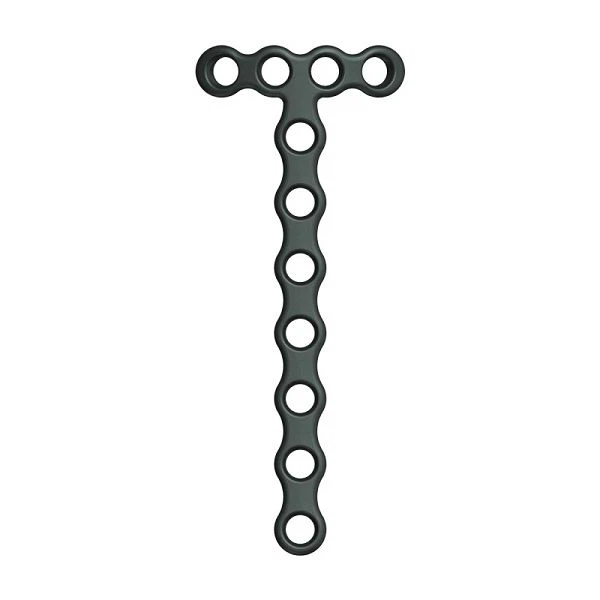

When it comes to insertion, the T Shape Metacarpal Plate is relatively easy to place. Surgeons can position it along the metacarpal bone, and the plate's design allows for precise alignment of the fractured segments. This is crucial because proper alignment is essential for a successful healing process. If the bone segments aren't aligned correctly, it can lead to long - term problems like reduced hand function and pain.
Another advantage of the T Shape Metacarpal Plate is its locking mechanism. The locking screws on the plate create a rigid construct, which means the bone is held firmly in place. This reduces the risk of the bone segments shifting during the healing process. In segmental fractures, where the bone is more unstable, this locking feature is a real game - changer.
Let's compare it to some other plates out there. For example, the Straight Metacarpal Plate. While the straight plate is useful in some simple fractures, it may not provide the same level of stability in segmental fractures as the T Shape Metacarpal Plate. The straight plate has a more linear design, which may not be as effective in holding multiple bone segments in place from different directions.
The 1.5 mm Buttress Locking Plate is another option. It's great for providing support in certain areas, but again, the T Shape Metacarpal Plate offers a more comprehensive solution for segmental fractures. The T shape allows for a broader distribution of forces across the bone, which can help prevent further damage to the bone during the healing process.
Similarly, the 1.5 mm Condylar Locking Plate is designed for specific areas around the condyles of the metacarpal. While it has its uses, it may not be as versatile as the T Shape Metacarpal Plate when dealing with segmental fractures that involve multiple parts of the metacarpal bone.
In terms of clinical outcomes, I've heard from many surgeons that patients who have had T Shape Metacarpal Plates implanted for segmental fractures have shown good results. The plates seem to promote faster healing times compared to some other treatment methods. This is likely due to the increased stability provided by the plate, which allows the bone to focus on the healing process rather than dealing with constant movement.
Patients also report less pain during the recovery period. The rigid fixation of the T Shape Metacarpal Plate means that there's less movement at the fracture site, which can reduce pain and discomfort. And in the long run, patients tend to have better hand function. They're able to regain normal grip strength and range of motion more quickly, which is really important for their quality of life.
Of course, like any medical device, the T Shape Metacarpal Plate isn't without its limitations. In some very complex segmental fractures, additional procedures or devices may be needed in conjunction with the plate. But overall, it's a reliable and effective option for most cases.
If you're a surgeon or a medical professional involved in treating hand fractures, I highly recommend considering the T Shape Metacarpal Plate for your patients with segmental metacarpal fractures. It offers a combination of stability, ease of use, and good clinical outcomes that are hard to beat.
And if you're interested in learning more about our T Shape Metacarpal Plates or are thinking about making a purchase, I'd love to have a chat with you. We can discuss your specific needs and how our products can fit into your treatment protocols. Just reach out, and we can start the conversation about how we can work together to improve patient outcomes.
References
- Smith, J. A. (2018). "Treatment of Metacarpal Fractures: A Review". Journal of Hand Surgery.
- Johnson, R. B. (2019). "Advances in Hand Fracture Fixation Devices". Orthopedic Research Magazine.






