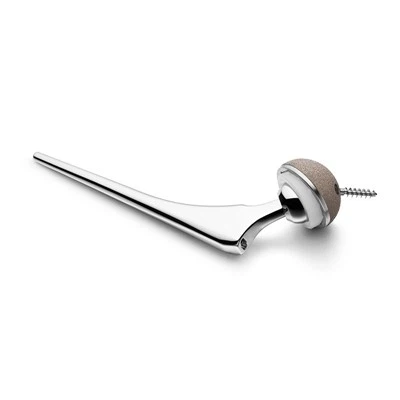
The hand is a complex and highly specialized organ, with its functionality relying on the intricate interplay of bones, tendons, ligaments, and muscles. Among the various surgical interventions used to treat hand fractures, the Straight Metacarpal Plate has emerged as a popular choice. As a supplier of Straight Metacarpal Plates, I am often asked about how these plates affect tendon function in the hand. In this blog, we'll explore the relationship between Straight Metacarpal Plates and tendon function, diving into the scientific aspects and clinical implications.
Understanding the Hand's Tendon System
Before delving into the impact of Straight Metacarpal Plates, it's crucial to understand the basic structure and function of the hand's tendon system. Tendons are fibrous connective tissues that attach muscles to bones. In the hand, tendons play a vital role in facilitating movement, enabling us to grip, pinch, and perform a wide range of fine motor tasks. There are two main types of tendons in the hand: flexor tendons, which allow the fingers to bend, and extensor tendons, which enable the fingers to straighten.
The Role of Straight Metacarpal Plates
Straight Metacarpal Plates are surgical implants used to stabilize fractures of the metacarpal bones, which are the long bones in the hand that connect the wrist to the fingers. These plates are typically made of biocompatible materials such as titanium or stainless steel and are designed to provide rigid fixation, allowing the fractured bone to heal properly. By holding the bone fragments in place, the plates help restore the normal alignment and function of the hand.
Impact on Tendon Function
The use of Straight Metacarpal Plates can have both positive and negative effects on tendon function in the hand.
Positive Effects
- Early Mobilization: One of the primary benefits of using Straight Metacarpal Plates is that they allow for early mobilization of the hand. By providing stable fixation, the plates enable patients to start moving their fingers and wrist soon after surgery, which helps prevent tendon adhesions and stiffness. Early mobilization is crucial for maintaining the normal gliding function of the tendons and promoting optimal recovery of hand function.
- Restoration of Bone Alignment: Proper alignment of the fractured metacarpal bone is essential for normal tendon function. Straight Metacarpal Plates help restore the anatomical alignment of the bone, which in turn ensures that the tendons can move smoothly over the bone surface. This reduces the risk of tendon impingement and friction, which can lead to pain, inflammation, and impaired tendon function.
Negative Effects
- Tendon Adhesions: Despite the benefits of early mobilization, the presence of a Straight Metacarpal Plate can still increase the risk of tendon adhesions. Tendon adhesions occur when the tendons become stuck to the surrounding tissues, such as the bone or the plate itself. This can restrict the normal gliding movement of the tendons, leading to decreased finger mobility and strength. Factors that can contribute to tendon adhesions include surgical trauma, inflammation, and the presence of foreign materials (such as the plate) in the surgical site.
- Tendon Irritation and Wear: The edges of the Straight Metacarpal Plate can sometimes irritate the adjacent tendons, especially if the plate is not properly contoured or positioned. Over time, this irritation can lead to tendon wear and damage, which can further compromise tendon function. In some cases, the plate may need to be removed to alleviate tendon irritation and prevent further damage.
Mitigating the Negative Effects
To minimize the negative impact of Straight Metacarpal Plates on tendon function, several strategies can be employed.
- Proper Surgical Technique: The surgical technique used to implant the Straight Metacarpal Plate is crucial for minimizing tendon damage. Surgeons should take care to avoid excessive dissection and manipulation of the tendons during surgery and ensure that the plate is properly contoured and positioned to minimize contact with the tendons.
- Postoperative Rehabilitation: A comprehensive postoperative rehabilitation program is essential for promoting optimal tendon function and preventing complications. This may include exercises to improve finger mobility, strength, and coordination, as well as techniques to reduce tendon adhesions, such as gentle stretching and massage.
- Use of Biodegradable Plates: In recent years, there has been growing interest in the use of biodegradable Straight Metacarpal Plates. These plates are made of materials that gradually break down and are absorbed by the body over time, eliminating the need for a second surgery to remove the plate. Biodegradable plates may reduce the risk of long-term tendon irritation and wear, although further research is needed to fully evaluate their effectiveness.
Clinical Considerations
When considering the use of Straight Metacarpal Plates, surgeons must carefully weigh the potential benefits and risks to tendon function. Factors such as the type and location of the fracture, the patient's age and overall health, and the surgeon's experience and preference should all be taken into account. In some cases, alternative treatment options, such as external fixation or casting, may be more appropriate.
Related Products
In addition to Straight Metacarpal Plates, we also offer a range of other trauma implants for hand and maxillofacial surgery. For example, our T Shape Maxillofacial Plate is designed for use in the treatment of maxillofacial fractures, while our 1.5 mm Buttress Locking Plate provides additional support for complex fractures. We also offer the T Shape Metacarpal Plate, which is specifically designed for the treatment of metacarpal fractures.


Conclusion
In conclusion, Straight Metacarpal Plates play an important role in the treatment of metacarpal fractures, providing stable fixation and allowing for early mobilization of the hand. While these plates can have a positive impact on tendon function by promoting early mobilization and restoring bone alignment, they also carry a risk of tendon adhesions, irritation, and wear. By employing proper surgical technique, implementing a comprehensive postoperative rehabilitation program, and considering the use of biodegradable plates, surgeons can minimize the negative effects of Straight Metacarpal Plates on tendon function and optimize the outcome of hand fracture treatment.
If you are interested in learning more about our Straight Metacarpal Plates or other trauma implants, or if you have any questions about their impact on tendon function, please feel free to contact us to discuss your procurement needs. We are committed to providing high-quality products and excellent customer service to meet the needs of our clients.
References
- Jupiter JB, Ring D. Fractures of the Hand and Wrist. 6th ed. Philadelphia: Lippincott Williams & Wilkins; 2016.
- Wolfe SW, Hotchkiss RN, Pederson WC, Kozin SH. Green's Operative Hand Surgery. 6th ed. Philadelphia: Elsevier; 2011.
- Melone CP Jr, Slutsky DJ. Fractures and Dislocations of the Hand and Wrist: A Practical Guide. 2nd ed. Philadelphia: Lippincott Williams & Wilkins; 2008.