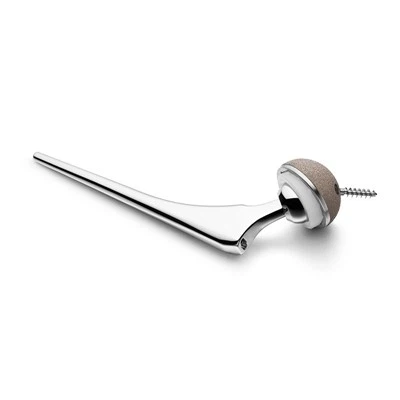
The hip joint is a remarkable ball-and-socket joint that plays a crucial role in our daily lives, facilitating movement and bearing the weight of our bodies. However, due to various factors such as arthritis, hip fractures, or other degenerative conditions, the hip joint may deteriorate to a point where a hip replacement implant becomes necessary. As a supplier of [Hip Replacement Implant], I've witnessed firsthand how these implants can transform patients' lives. In this blog, we'll explore how the body adapts to a hip replacement implant.
The Initial Stages: Immediate Post - Surgery Adaptation
When a hip replacement surgery is performed, the damaged or diseased parts of the hip joint are removed and replaced with an artificial implant. There are two main types of hip replacement procedures: Cementless Hip Replacement and Cemented Hip Replacement.
In the immediate aftermath of surgery, the body's first response is to initiate the healing process. The immune system kicks into gear, sending white blood cells to the surgical site to fight off any potential infections. Inflammation is a natural part of this process. It may cause swelling, pain, and redness around the hip area. The body also starts to form blood clots at the surgical site to prevent excessive bleeding. These clots are a temporary structure that will later be broken down as the healing progresses.
The patient's muscles around the hip joint are also in a state of shock. They have been cut and manipulated during the surgery, and they need time to recover. Physical therapy usually begins within a few days after surgery. The goal of early physical therapy is to prevent muscle atrophy, improve blood circulation, and gradually restore the range of motion of the hip joint. Simple exercises like ankle pumps, leg raises, and gentle hip flexion and extension are often prescribed.
Bone - Implant Interaction
One of the most critical aspects of the body's adaptation to a hip replacement implant is the interaction between the bone and the implant.
In a Cemented Hip Replacement, a special bone cement is used to fix the implant to the bone. The cement provides an immediate and strong bond between the implant and the bone. However, over time, the cement may start to wear out or loosen. The body's response to the cement involves a complex biological process. The immune system may recognize the cement as a foreign body and mount an immune response. This can lead to the production of inflammatory cytokines, which may cause bone resorption around the cemented implant.
On the other hand, Cementless Hip Replacement relies on the body's natural ability to grow bone onto the surface of the implant. The surface of the cementless implant is designed to be porous, allowing bone cells to migrate into the pores and form a biological bond with the implant. This process is called osseointegration. It typically takes several weeks to months for osseointegration to occur. During this time, the body needs to provide a suitable environment for bone growth, including an adequate supply of nutrients, oxygen, and growth factors.
The success of osseointegration depends on several factors, such as the patient's age, overall health, and the quality of the bone. Younger patients with healthy bones generally have a better chance of achieving successful osseointegration compared to older patients or those with osteoporosis.
Soft Tissue Adaptation
In addition to bone - implant interaction, the soft tissues around the hip joint also need to adapt to the new implant. The muscles, tendons, and ligaments play a vital role in stabilizing the hip joint and facilitating movement.
After surgery, the muscles around the hip joint may have been weakened or damaged. Physical therapy is essential for strengthening these muscles. As the muscles regain their strength, they can better support the hip joint and improve the patient's gait and balance. The tendons and ligaments also need to adjust to the new range of motion and forces exerted on the hip joint.
The body may also form scar tissue around the surgical site. Scar tissue is a normal part of the healing process, but excessive scar tissue can limit the range of motion of the hip joint. Physical therapy and massage techniques can help break down the scar tissue and improve the flexibility of the soft tissues.
Long - Term Adaptation and Maintenance
Once the initial healing and adaptation phases are over, the body enters a long - term maintenance phase. The hip replacement implant is designed to last for many years, but it still requires proper care and maintenance.
Regular physical activity is crucial for the long - term health of the hip joint. Low - impact exercises such as walking, swimming, and cycling can help keep the muscles strong and the joint flexible. However, high - impact activities like running or jumping should be avoided, as they can put excessive stress on the implant and increase the risk of implant loosening or wear.
The patient also needs to maintain a healthy lifestyle. A balanced diet rich in calcium, vitamin D, and other nutrients is essential for bone health. Smoking and excessive alcohol consumption should be avoided, as they can have a negative impact on bone density and the overall health of the hip joint.
Regular follow - up appointments with the orthopedic surgeon are necessary to monitor the condition of the hip replacement implant. X - rays and other imaging tests may be performed to check for any signs of implant loosening, wear, or other complications.
Our [Hip Replacement Implant] Advantage
As a leading supplier of Hip Replacement Implant, we are committed to providing high - quality implants that are designed to promote optimal body adaptation. Our implants are made from advanced materials that are biocompatible, reducing the risk of immune reactions and inflammation.
For our cementless implants, we use state - of - the - art surface technology to enhance osseointegration. The porous surface of our implants provides an ideal environment for bone growth, ensuring a strong and stable bond between the implant and the bone. Our cemented implants are formulated with high - strength bone cement that offers excellent initial fixation and long - term stability.
We also understand the importance of personalized solutions. Every patient is unique, and their hip replacement needs may vary. That's why we offer a wide range of implant designs and sizes to meet the specific requirements of different patients.
Contact Us for Procurement
If you are a medical institution, surgeon, or distributor interested in our [Hip Replacement Implant] products, we invite you to contact us for procurement and further discussions. Our team of experts is ready to provide you with detailed product information, technical support, and competitive pricing. We look forward to establishing a long - term partnership with you to improve the lives of patients in need of hip replacement surgery.


References
- American Academy of Orthopaedic Surgeons. (2023). Hip Replacement Surgery.
- National Institute of Arthritis and Musculoskeletal and Skin Diseases. (2023). Hip Osteoarthritis.
- Journal of Bone and Joint Surgery. (2022). Long - term Outcomes of Hip Replacement Implants.