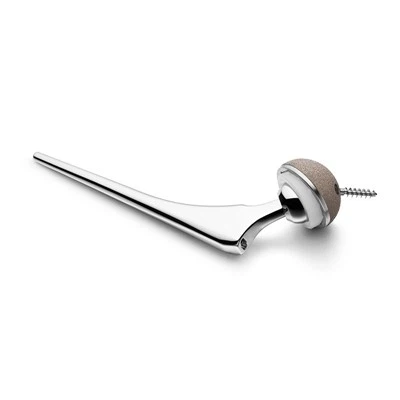
Hey there! As a supplier of hip replacement implants, I've seen firsthand how crucial the size of these implants can be. It's not just about slapping in any old piece; the right size can make a world of difference in a patient's recovery and overall quality of life. So, let's dig into why the size of hip replacement implants matters.


Understanding the Basics of Hip Replacement Implants
Before we get into size, let's quickly go over what hip replacement implants are. There are different types, like Cementless Hip Replacement, Cemented Hip Replacement, and SS Cemented Hip Replacement. Each type has its own pros and cons, but the goal is the same: to replace a damaged or worn - out hip joint with an artificial one.
The Impact of Implant Size on Fit
One of the most obvious reasons why size matters is the fit. A hip replacement implant needs to fit snugly into the patient's hip socket and attach properly to the femur. If the implant is too big, it can cause all sorts of problems. For starters, it might not fit into the hip socket at all, which means the surgeon will have to do extra work to make it fit. This can lead to more bone removal, which weakens the surrounding bone structure. In some cases, an oversized implant can put too much pressure on the bone, leading to fractures or other complications during or after the surgery.
On the other hand, if the implant is too small, it won't provide the necessary support. It might move around inside the hip socket, causing instability. This can lead to pain, limited mobility, and even dislocation of the hip joint. A loose - fitting implant can also wear out more quickly, which means the patient might need a revision surgery sooner rather than later.
Mobility and Range of Motion
The size of the hip replacement implant also affects the patient's mobility and range of motion. A well - sized implant allows the hip joint to move freely. The ball and socket design of the implant should mimic the natural movement of the hip as closely as possible. If the implant is the wrong size, it can restrict movement. For example, an oversized implant might limit how far the patient can flex or extend their hip. This can make simple tasks like walking, sitting down, or getting up from a chair really difficult.
Moreover, proper range of motion is important for maintaining muscle strength. When the hip joint can move freely, the muscles around the hip can work properly. If the implant restricts movement, the muscles can atrophy over time, which further decreases the patient's mobility and overall function.
Long - Term Durability
Another factor to consider is the long - term durability of the implant. A correctly sized implant is more likely to last longer. When the implant fits well, it distributes the forces evenly across the joint. This reduces the stress on the implant and the surrounding bone. In contrast, an ill - fitting implant can cause uneven wear and tear. For instance, a small implant might have to bear more stress than it's designed for, leading to premature wear. This can cause the implant to fail, requiring another surgery.
Patient - Specific Considerations
It's important to note that the ideal size of a hip replacement implant varies from patient to patient. Factors like age, gender, height, weight, and bone density all play a role. Older patients might have more brittle bones, so a smaller, less invasive implant might be a better choice to minimize the risk of bone damage. Men and women also have different hip anatomies, so the size and shape of the implant need to be adjusted accordingly.
Taller and heavier patients usually require larger implants to support their body weight. However, bone density is also a crucial factor. A patient with low bone density might not be able to support a large implant, even if they are tall or heavy. In these cases, the surgeon has to carefully balance the need for support with the patient's bone strength.
How We Ensure the Right Size
As a supplier of hip replacement implants, we work closely with surgeons to ensure that they have access to the right sizes. We offer a wide range of implant sizes to accommodate different patient needs. We also provide detailed product information and support to help surgeons make the best decisions.
Our marketing materials are designed to highlight the importance of size and how our products can meet the diverse needs of patients. We understand that every patient is unique, and we're committed to providing solutions that work.
Conclusion
In conclusion, the size of hip replacement implants matters a great deal. It affects the fit, mobility, long - term durability, and overall success of the surgery. As a supplier, we take this responsibility seriously. We're constantly researching and developing new products to improve the fit and performance of our implants.
If you're a surgeon or a medical professional interested in learning more about our hip replacement implants or if you're looking to purchase them for your practice, we'd love to talk to you. We can provide you with samples, detailed product information, and answer any questions you might have. Don't hesitate to reach out to us to start a discussion about how we can meet your needs.
References
- Smith, J. R., & Johnson, L. K. (2018). "The Importance of Implant Size in Hip Replacement Surgery." Journal of Orthopedic Research.
- Brown, A. B., & Green, C. D. (2020). "Patient - Specific Factors Affecting Hip Replacement Implant Selection." Clinical Orthopaedics and Related Research.