

As a trusted DCP plate supplier, I understand the significance of properly adjusting the parameters of a DCP (Dynamic Compression Plate) to ensure its optimal performance in orthopedic surgeries. In this blog, I will share some key insights and practical steps on how to adjust the parameters of a DCP plate effectively.
Understanding the Basics of DCP Plates
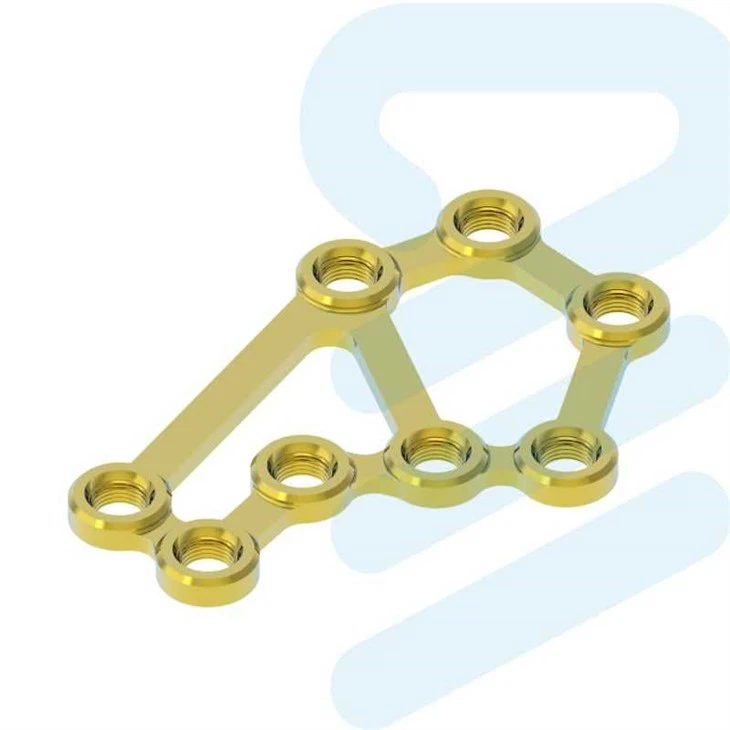
Before delving into parameter adjustment, it's essential to have a solid understanding of DCP plates. DCP plates are widely used in orthopedic trauma surgery to provide stable fixation of fractures. They are designed to compress the bone fragments together, promoting bone healing and preventing displacement. There are different types of DCP plates available, such as the Clavicle Hook Reconstruction Plate, Dynamic Compression Plate, and Calcaneus Plate, each tailored to specific anatomical locations and fracture patterns.
Factors to Consider Before Parameter Adjustment
- Fracture Type and Location: The type and location of the fracture play a crucial role in determining the appropriate parameters for the DCP plate. For example, a simple transverse fracture may require different compression forces compared to a comminuted fracture. Additionally, fractures in different anatomical regions, such as the clavicle, tibia, or calcaneus, may have unique biomechanical requirements.
- Patient Characteristics: Patient factors, including age, bone quality, and overall health, can also influence the parameter adjustment of the DCP plate. Elderly patients or those with osteoporosis may have weaker bones, necessitating more cautious compression to avoid bone damage.
- Surgical Technique: The surgical technique employed during the implantation of the DCP plate can impact the final parameters. Proper reduction of the fracture fragments and accurate placement of the plate are essential for achieving optimal compression and fixation.
Steps for Adjusting DCP Plate Parameters
1. Preoperative Planning
- Imaging Studies: Obtain high-quality imaging studies, such as X-rays, CT scans, or MRI, to accurately assess the fracture pattern, bone quality, and anatomical relationships. These images will help in selecting the appropriate size and type of DCP plate and in planning the surgical approach.
- Measurement and Template Fitting: Use templates or digital planning tools to determine the optimal length and width of the DCP plate. Ensure that the plate is long enough to span the fracture site and provide adequate fixation, but not so long as to cause unnecessary soft tissue irritation.
2. Intraoperative Adjustment
- Fracture Reduction: Before placing the DCP plate, carefully reduce the fracture fragments to their anatomical position. This can be achieved using various reduction techniques, such as manual manipulation, traction, or the use of reduction clamps.
- Plate Placement: Position the DCP plate over the reduced fracture fragments, ensuring that it is aligned with the long axis of the bone and centered over the fracture site. Use bone clamps or temporary fixation pins to hold the plate in place during the screw insertion process.
- Compression Adjustment: The compression force applied by the DCP plate can be adjusted using different techniques. One common method is to use a compression device, such as a dynamic compression unit or a screw-driven compression system, to gradually tighten the screws and achieve the desired compression. Another approach is to use eccentric screw holes in the plate, which allow for controlled compression as the screws are tightened.
- Screw Selection and Insertion: Choose the appropriate size and type of screws based on the bone quality and the thickness of the DCP plate. Insert the screws perpendicular to the plate and into the bone, ensuring that they engage both cortices for maximum fixation. Tighten the screws gradually, alternating between the two ends of the plate to distribute the compression evenly.
3. Postoperative Evaluation
- Imaging Follow-up: Obtain postoperative X-rays or other imaging studies to confirm the proper placement of the DCP plate and the adequacy of the compression. Monitor the progress of bone healing over time and look for any signs of complications, such as screw loosening, plate migration, or non-union.
- Clinical Assessment: Evaluate the patient's clinical condition, including pain, range of motion, and functional status. Provide appropriate postoperative care, including physical therapy and pain management, to promote recovery and prevent complications.
Tips for Optimal Parameter Adjustment
- Use of Navigation Systems: Consider using computer-assisted navigation systems or fluoroscopy to enhance the accuracy of plate placement and screw insertion. These technologies can provide real-time feedback and improve the precision of the surgical procedure.
- Collaboration with a Multidisciplinary Team: Work closely with a multidisciplinary team, including orthopedic surgeons, radiologists, and physical therapists, to ensure comprehensive care and optimal outcomes. The team can provide valuable insights and expertise in preoperative planning, intraoperative decision-making, and postoperative management.
- Continuous Learning and Training: Stay updated with the latest advancements in DCP plate technology and surgical techniques through continuing education courses, conferences, and research. Participate in hands-on training programs to improve your skills and confidence in adjusting DCP plate parameters.
Common Challenges and Solutions in Parameter Adjustment
- Overcompression or Undercompression: Overcompression can lead to bone necrosis, screw loosening, and non-union, while undercompression may result in inadequate fixation and delayed healing. To avoid these issues, carefully monitor the compression force during the adjustment process and use appropriate techniques to achieve the desired balance.
- Screw Loosening: Screw loosening can occur due to various factors, such as improper screw selection, inadequate bone quality, or excessive stress on the screws. To prevent screw loosening, ensure that the screws are properly tightened and that the bone quality is sufficient to support the fixation. Consider using locking screws or other advanced fixation techniques in cases of poor bone quality.
- Plate Migration: Plate migration can occur if the plate is not properly secured or if there is excessive motion at the fracture site. To prevent plate migration, use adequate fixation methods, such as multiple screws and bone clamps, and ensure that the plate is well-aligned with the bone.
Conclusion
Proper adjustment of the parameters of a DCP plate is essential for achieving successful outcomes in orthopedic trauma surgery. By considering the fracture type and location, patient characteristics, and surgical technique, and following the steps outlined in this blog, surgeons can optimize the compression and fixation provided by the DCP plate, promoting bone healing and reducing the risk of complications. As a DCP plate supplier, we are committed to providing high-quality products and comprehensive support to help surgeons achieve the best possible results for their patients.
If you are interested in learning more about our DCP plates or would like to discuss your specific requirements, please feel free to contact us. We look forward to the opportunity to collaborate with you and contribute to the success of your orthopedic surgeries.

References
- Bucholz RW, Heckman JD, Court-Brown CM, et al. Rockwood and Green's Fractures in Adults. 8th ed. Philadelphia, PA: Lippincott Williams & Wilkins; 2015.
- Mears DC, Velyvis A. Fracture Fixation: Principles and Applications. 4th ed. New York, NY: Thieme; 2018.
- Müller ME, Allgöwer M, Schneider R, et al. Manual of Internal Fixation: Techniques Recommended by the AO Group. 3rd ed. New York, NY: Springer-Verlag; 1991.






