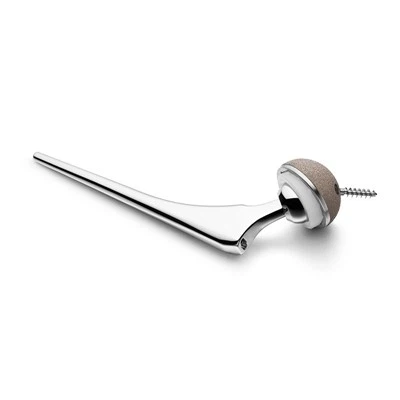
When it comes to orthopedic surgeries, especially those involving the fingers, choosing the right titanium finger plate is crucial. As a supplier of high - quality titanium finger plates, I understand the importance of this decision for surgeons, medical institutions, and patients alike. In this blog, I will share some key factors to consider when selecting the appropriate titanium finger plate.
Material Quality
The first and foremost factor is the quality of the titanium material. Titanium is favored in orthopedic implants due to its excellent biocompatibility, corrosion resistance, and high strength - to - weight ratio. High - grade titanium alloys, such as Ti6Al4V, are commonly used in the manufacturing of finger plates. These alloys ensure that the plate can withstand the mechanical stresses within the finger joint without causing adverse reactions in the patient's body.
As a supplier, we source our titanium from trusted manufacturers who adhere to strict quality control standards. Our titanium finger plates are made from medical - grade titanium, which has been thoroughly tested for purity and mechanical properties. This guarantees the long - term stability and safety of the implant, reducing the risk of complications such as infections, loosening, or breakage.
Design and Shape
The design and shape of the titanium finger plate play a significant role in its functionality. Different types of fractures may require different plate designs. For example, L Shape Metacarpal Plate is suitable for fractures at the metacarpal bone where an L - shaped structure can provide better fixation and support. This design allows for a more anatomical fit, reducing the stress on the surrounding tissues and promoting faster healing.
Another popular design is the T Shape Metacarpal Plate. The T - shape is often used for complex fractures or when additional support is needed in multiple directions. It can distribute the load more evenly across the bone, minimizing the risk of further damage to the fracture site.
Our Titanium Finger Plate comes in a variety of designs and shapes to meet the diverse needs of different patients. We work closely with orthopedic surgeons to understand their requirements and develop plates that offer optimal performance. Our plates are designed with precision to ensure a perfect fit, which is essential for successful surgical outcomes.
Size and Dimensions
Selecting the correct size and dimensions of the titanium finger plate is vital. The plate should be long enough to span the fracture site and provide adequate support, but not so long that it causes unnecessary pressure on the surrounding tissues. The width and thickness of the plate also need to be carefully considered.


A plate that is too thin may not have sufficient strength to hold the fractured bone together, while a plate that is too thick can be bulky and may interfere with the normal movement of the finger. We offer a wide range of sizes and dimensions for our titanium finger plates, allowing surgeons to choose the most appropriate option based on the patient's specific anatomy and the nature of the fracture.
Hole Pattern and Screw Compatibility
The hole pattern on the titanium finger plate is another important aspect. The holes are used to insert screws that secure the plate to the bone. A well - designed hole pattern ensures proper screw placement and distribution of the load. Different hole patterns can affect the stability and flexibility of the plate.
In addition, the plate must be compatible with the screws used in the surgery. We provide a comprehensive range of screws that are specifically designed to work with our titanium finger plates. Our screws are made from the same high - quality titanium alloy as the plates, ensuring excellent compatibility and long - term performance.
Surface Finish
The surface finish of the titanium finger plate can impact its interaction with the surrounding tissues. A smooth surface finish reduces the risk of tissue irritation and inflammation. It also helps to prevent the formation of fibrous tissue around the plate, which can affect the healing process.
Our titanium finger plates undergo a special surface treatment process to achieve a smooth and uniform finish. This not only improves the biocompatibility of the plate but also enhances its overall performance.
Cost - Effectiveness
While quality is of utmost importance, cost - effectiveness is also a consideration for many medical institutions. We understand the need to provide high - quality titanium finger plates at a reasonable price. As a supplier, we have optimized our production processes to reduce costs without compromising on quality.
We offer competitive pricing for our titanium finger plates, making them accessible to a wide range of customers. We also provide bulk purchase discounts, which can further reduce the overall cost for medical institutions.
Regulatory Compliance
When choosing a titanium finger plate, it is essential to ensure that the product complies with all relevant regulatory standards. Our titanium finger plates are manufactured in accordance with international quality standards, such as ISO 13485 and CE certification. These certifications guarantee that our products meet the highest levels of safety and quality.
We also maintain strict quality control procedures throughout the manufacturing process to ensure that every plate meets our high - quality standards. Our commitment to regulatory compliance gives our customers peace of mind knowing that they are using a safe and reliable product.
After - Sales Support
As a supplier, we understand that our relationship with our customers does not end with the sale of the product. We provide comprehensive after - sales support to ensure that our customers have a positive experience. Our team of experts is available to answer any questions or concerns that our customers may have regarding the use, installation, or maintenance of our titanium finger plates.
We also offer technical training and support to surgeons and medical staff to ensure that they are familiar with the proper use of our products. This helps to improve the surgical outcomes and patient satisfaction.
In conclusion, choosing the right titanium finger plate requires careful consideration of several factors, including material quality, design and shape, size and dimensions, hole pattern and screw compatibility, surface finish, cost - effectiveness, regulatory compliance, and after - sales support. As a reliable supplier of titanium finger plates, we are committed to providing high - quality products that meet the diverse needs of our customers.
If you are interested in purchasing our titanium finger plates or have any questions about our products, please feel free to contact us for further discussion. We look forward to working with you to provide the best orthopedic solutions for your patients.
References
- Black, J., & Hastings, G. (Eds.). (2004). Handbook of Biomaterials Properties. CRC Press.
- Ratner, B. D., Hoffman, A. S., Schoen, F. J., & Lemons, J. E. (Eds.). (2004). Biomaterials Science: An Introduction to Materials in Medicine. Elsevier.
- Friedlaender, G. E., & Nork, S. E. (2014). Orthopaedic Trauma: Fracture, Dislocation, and Ligament Injuries. Lippincott Williams & Wilkins.