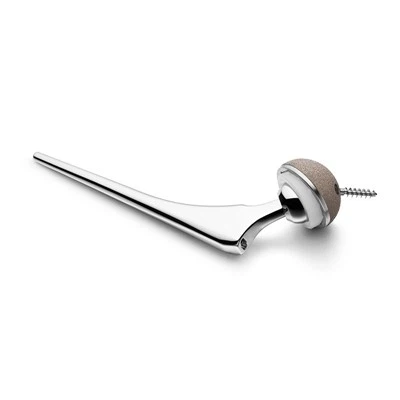
In the medical device industry, ensuring the quality of a DCP (Dynamic Compression Plate) during production is of utmost importance. As a DCP plate supplier, we understand the critical role these plates play in orthopedic surgeries and the need for strict quality control throughout the manufacturing process. In this blog, I will share some key strategies and practices that we employ to guarantee the high - quality of our DCP plates.


1. Raw Material Selection
The foundation of a high - quality DCP plate lies in the selection of appropriate raw materials. We source our materials from trusted suppliers who adhere to strict quality standards. For DCP plates, titanium alloy and stainless steel are commonly used due to their excellent biocompatibility, mechanical properties, and corrosion resistance.
Before using any raw material, we conduct a series of tests. Chemical composition analysis is performed to ensure that the material meets the required specifications. For example, in the case of stainless steel, the content of elements such as chromium, nickel, and molybdenum must be within a specific range to ensure its corrosion resistance and strength. We also test the mechanical properties of the raw materials, including tensile strength, yield strength, and elongation. These tests are carried out using advanced testing equipment in our in - house laboratory. By carefully selecting and testing the raw materials, we can ensure that the DCP plates have a solid foundation for high - quality production.
2. Precision Manufacturing Processes
Once the raw materials are selected, the manufacturing process begins. Precision is the key in every step of DCP plate production. We use state - of - the - art machining technologies, such as computer - numerical - control (CNC) machining. CNC machines can accurately control the cutting, drilling, and milling operations, ensuring that the dimensions of the DCP plates meet the design requirements.
For example, the holes on the DCP plates need to have precise diameters and positions to ensure proper screw fixation during surgery. Our CNC machines can achieve high - precision machining with tolerances as low as a few micrometers. In addition to CNC machining, we also use advanced surface treatment processes. Surface treatment not only improves the corrosion resistance of the DCP plates but also enhances their biocompatibility. Processes such as passivation and electropolishing are commonly used to create a smooth and clean surface on the plates.
3. Stringent Quality Control Checks
Throughout the production process, we implement a multi - stage quality control system. At the beginning of each production batch, we conduct a pre - production inspection. This includes checking the raw materials, the setup of the manufacturing equipment, and the work environment. Any issues found during this stage are addressed immediately to prevent quality problems in the subsequent production.
During the production process, in - process inspections are carried out at regular intervals. Workers on the production line are trained to perform self - inspections on their workpieces. In addition, our quality control team conducts random inspections to ensure that the production is proceeding according to the quality standards. For example, they will measure the dimensions of the semi - finished DCP plates, check the surface finish, and verify the accuracy of the markings on the plates.
After the production is completed, a final inspection is conducted on every single DCP plate. This comprehensive inspection includes visual inspection, dimensional measurement, mechanical property testing, and non - destructive testing. Visual inspection is used to detect any surface defects, such as cracks, scratches, or burrs. Dimensional measurement ensures that the plates meet the design specifications. Mechanical property testing, including fatigue testing, is carried out to ensure the long - term performance of the plates. Non - destructive testing methods, such as ultrasonic testing and X - ray testing, are used to detect any internal defects that may not be visible to the naked eye.
4. Compliance with International Standards
To ensure the quality and safety of our DCP plates, we strictly comply with international standards and regulations. Our production facilities are certified according to ISO 13485, which is the international standard for medical device quality management systems. This certification ensures that our quality management system covers all aspects of the production process, from design and development to after - sales service.
In addition to ISO 13485, our DCP plates also comply with other relevant standards, such as ASTM standards for materials and EN standards for medical devices in Europe. By adhering to these international standards, we can ensure that our DCP plates are of high quality and can be used safely and effectively in orthopedic surgeries around the world.
5. Staff Training and Development
Our staff is the most valuable asset in ensuring the quality of our DCP plates. We provide regular training programs for all employees involved in the production process. These training programs cover a wide range of topics, including quality control, manufacturing processes, and safety regulations.
New employees receive comprehensive on - the - job training to familiarize themselves with the production process and quality requirements. Experienced employees also participate in continuous training to keep up with the latest technologies and quality control methods. By investing in staff training and development, we can ensure that our employees have the necessary skills and knowledge to produce high - quality DCP plates.
6. Product Traceability
Product traceability is an important aspect of quality management. We have established a comprehensive traceability system that allows us to track every DCP plate from the raw material stage to the end - user. Each DCP plate is marked with a unique identification number, which is recorded in our database along with information about the raw materials, production batch, manufacturing date, and quality inspection results.
In case of any quality issues or recalls, our traceability system enables us to quickly identify the affected products and take appropriate actions. This not only helps us to ensure the safety of the patients but also enhances our credibility as a DCP plate supplier.
7. Research and Development
We continuously invest in research and development to improve the quality and performance of our DCP plates. Our R & D team works closely with orthopedic surgeons and researchers to understand the latest clinical needs and technological trends. They are constantly exploring new materials, manufacturing processes, and design concepts to develop more advanced DCP plates.
For example, we are currently researching new surface coatings that can further improve the biocompatibility and antibacterial properties of the DCP plates. By staying at the forefront of technological innovation, we can ensure that our DCP plates meet the highest quality standards and provide the best possible solutions for orthopedic surgeries.
As a DCP plate supplier, we offer a wide range of products, including Dynamic Compression Plate, Clavicle Hook Reconstruction Plate, and Calcaneus Plate. If you are interested in our products or have any questions about DCP plate quality, we welcome you to contact us for procurement discussions. We are committed to providing high - quality DCP plates and excellent customer service.
References
- ISO 13485:2016, Medical devices - Quality management systems - Requirements for regulatory purposes.
- ASTM International standards related to medical device materials.
- European Standards (EN) for medical devices.