

As a dedicated supplier of LCP (Locking Compression Plate) products, I've witnessed firsthand the challenges that come with using these plates in orthopedic surgeries and related applications. In this blog, I'll share some insights on how to solve the common problems associated with LCP plates, based on my years of experience in the industry.
Understanding the Basics of LCP Plates
Before delving into problem - solving, it's crucial to understand what LCP plates are. LCP plates are advanced orthopedic implants designed to provide stable fixation for fractures. They combine the principles of compression plating and locking screw technology. The locking screws create a fixed - angle construct with the plate, which helps in maintaining the reduction of the fracture and provides better stability, especially in osteoporotic bone.
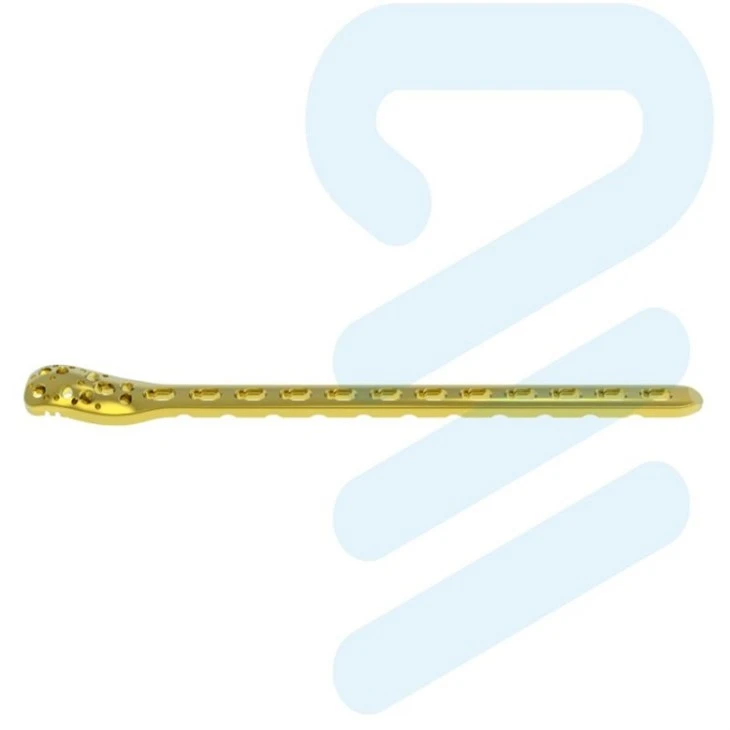
There are different types of LCP plates available, such as the Anatomical Locking Plate, Lcp Locking Compression Plate, and Humerus Locking Plate. Each type is designed for specific anatomical locations and fracture patterns.
Common Problems with LCP Plates and Their Solutions
1. Screw Loosening
One of the most common issues with LCP plates is screw loosening. This can occur due to several reasons, including improper screw insertion, excessive stress on the screws, or poor bone quality.
- Solution:
- Proper Screw Insertion: Ensure that the screws are inserted perpendicular to the plate and into the bone at the correct depth. Use the appropriate drill bit size and follow the manufacturer's guidelines for screw insertion.
- Bone Quality Assessment: Before surgery, assess the patient's bone quality. In cases of osteoporotic bone, consider using larger - diameter screws or bone augmentation techniques, such as the use of bone cement, to improve screw fixation.
- Stress Distribution: Design the plate - screw construct in a way that distributes the stress evenly across the plate and screws. Avoid overloading a single screw or a group of screws.
2. Plate Fracture
Plate fracture is another serious problem that can occur, especially in high - stress situations or when the plate is not properly sized or placed.

- Solution:
- Correct Plate Selection: Choose the appropriate plate size and type based on the patient's anatomy and the nature of the fracture. Consider the strength and stiffness requirements of the plate for the specific application.
- Proper Plate Placement: Ensure that the plate is placed in the correct anatomical position and is well - contoured to the bone surface. This helps in reducing stress concentrations on the plate.
- Material Quality: Use high - quality plates made from materials with good mechanical properties, such as titanium alloy or stainless steel. Regularly test the quality of the plates to ensure they meet the required standards.
3. Infection
Infection is a significant complication associated with any orthopedic implant, including LCP plates. It can lead to implant failure, delayed healing, and even amputation in severe cases.
- Solution:
- Sterile Surgical Technique: Strictly follow sterile surgical techniques during the implantation of the LCP plate. This includes proper handwashing, use of sterile drapes, and careful handling of the implant.
- Antibiotic Prophylaxis: Administer appropriate antibiotic prophylaxis before, during, and after surgery to reduce the risk of infection.
- Patient Education: Educate the patient about wound care after surgery, including keeping the wound clean and dry, and reporting any signs of infection, such as redness, swelling, or fever, immediately.
4. Soft Tissue Irritation
Soft tissue irritation can occur when the plate is not well - contoured to the bone surface or when there is excessive pressure on the surrounding soft tissues.
- Solution:
- Proper Plate Contouring: Before implantation, carefully contour the plate to match the shape of the bone. This helps in reducing pressure on the soft tissues and minimizing irritation.
- Soft Tissue Management: During surgery, handle the soft tissues gently to avoid damage. Ensure that there is enough space between the plate and the soft tissues to prevent compression.
Quality Control and Assurance
As a supplier, ensuring the quality of LCP plates is of utmost importance. We implement a strict quality control system that includes:
- Raw Material Inspection: Thoroughly inspect the raw materials used in the manufacturing of LCP plates to ensure they meet the required standards.
- Manufacturing Process Monitoring: Monitor the manufacturing process at every stage to ensure that the plates are produced with high precision and quality.
- Final Product Testing: Conduct comprehensive testing on the finished LCP plates, including mechanical testing, corrosion resistance testing, and biocompatibility testing.
Research and Development
We are committed to continuous research and development to improve the performance of LCP plates. Our R & D team is constantly exploring new materials, designs, and manufacturing techniques to address the existing problems and develop more advanced LCP plates.
Conclusion
Solving the problems associated with LCP plates requires a multi - faceted approach, including proper selection and placement of the plates, strict quality control, and continuous research and development. As a supplier, we are dedicated to providing high - quality LCP plates and supporting our customers in addressing the challenges they face.
If you are interested in purchasing our LCP plates or have any questions regarding their use, we encourage you to contact us for a detailed discussion. We look forward to working with you to provide the best orthopedic solutions.
References
- M. Bhandari, J. D. Stephen, "Principles of Fracture Management", Springer, 2018.
- S. M. Court - Brown, C. G. McKee, "Fracture Epidemiology", Injury, 2006.
- G. E. Friedlaender, "Bone Healing and Bone Grafting", American Academy of Orthopaedic Surgeons, 2001.






