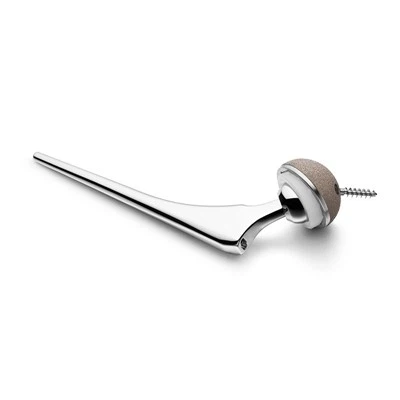
Hey there! As a supplier of LCP (Locking Compression Plate) plates, I've seen firsthand how crucial it is to store these medical devices properly. Improper storage can lead to damage, corrosion, and even compromise the effectiveness of the plates when they're needed for surgical procedures. In this blog post, I'll share some tips on how to store LCP plates to ensure their quality and longevity.
Why Proper Storage Matters
Before we dive into the storage tips, let's talk about why proper storage is so important. LCP plates are precision medical devices that are used in orthopedic surgeries to stabilize fractures and promote bone healing. They're typically made of high-quality materials like titanium or stainless steel, but even these materials can be damaged if they're not stored correctly.
Here are some of the potential issues that can arise from improper storage:
- Corrosion: Exposure to moisture, humidity, or certain chemicals can cause the plates to corrode, which can weaken the material and make the plates less effective.
- Damage: LCP plates are delicate and can be easily damaged if they're not handled or stored properly. Scratches, dents, or bends can affect the fit and function of the plates.
- Contamination: If the plates are stored in a dirty or contaminated environment, they can become contaminated with bacteria or other pathogens, which can increase the risk of infection during surgery.
By storing LCP plates properly, you can help prevent these issues and ensure that the plates are in good condition when they're needed for surgery.


Storage Conditions
The first step in storing LCP plates properly is to create the right storage conditions. Here are some key factors to consider:
- Temperature: LCP plates should be stored at a stable temperature between 18°C and 25°C (64°F and 77°F). Avoid storing the plates in areas that are subject to extreme temperature fluctuations, such as near heating or cooling vents.
- Humidity: The humidity level in the storage area should be kept between 30% and 60%. High humidity can cause corrosion, while low humidity can make the plates brittle.
- Light: LCP plates should be stored in a dark or low-light environment to prevent damage from UV rays. Exposure to sunlight or other sources of UV light can cause the plates to discolor or degrade over time.
- Ventilation: The storage area should be well-ventilated to prevent the buildup of moisture and odors. Avoid storing the plates in areas that are prone to mold or mildew.
Storage Containers
Once you've created the right storage conditions, the next step is to choose the right storage containers for your LCP plates. Here are some options to consider:
- Sterile Packaging: Most LCP plates come in sterile packaging, which helps to protect the plates from contamination. Keep the plates in their original packaging until they're ready to be used.
- Storage Trays: If you need to store multiple LCP plates together, consider using storage trays. These trays are designed to keep the plates organized and prevent them from scratching or damaging each other.
- Cabinet or Shelving: You can store LCP plates in a cabinet or on a shelf, as long as the storage area meets the temperature, humidity, light, and ventilation requirements mentioned above. Make sure the cabinet or shelf is clean and free of dust and debris.
Handling and Transportation
In addition to creating the right storage conditions and choosing the right storage containers, it's also important to handle and transport LCP plates properly. Here are some tips to keep in mind:
- Wash Your Hands: Before handling LCP plates, make sure to wash your hands thoroughly with soap and water. This helps to prevent the transfer of bacteria and other pathogens to the plates.
- Use Gloves: When handling LCP plates, wear clean, disposable gloves to protect the plates from contamination.
- Avoid Dropping or Bumping: LCP plates are delicate and can be easily damaged if they're dropped or bumped. Handle the plates with care and avoid rough handling.
- Use Proper Packaging for Transportation: If you need to transport LCP plates, make sure to use proper packaging to protect the plates from damage. Use a sturdy box or container and cushion the plates with foam or other protective materials.
Specific LCP Plate Types and Their Storage
Let's take a look at some specific types of LCP plates and any special storage considerations they might have.
Distal Lateral Humeral Locking Plate
The Distal Lateral Humeral Locking Plate is designed for use in the distal lateral humerus area. Due to its specific shape and design, it's important to store it in a way that maintains its curvature and prevents any deformation. When using a storage tray, make sure there's enough space for the plate to lie flat without being bent or warped.
Reconstruction Locking Plate
The Reconstruction Locking Plate is often used for complex fractures and requires a more careful approach to storage. Since it may have multiple holes and a more intricate design, it's crucial to keep it clean and free from debris. Regularly inspect the plate for any signs of damage or corrosion, especially in the holes where bacteria could potentially accumulate.
Radius Locking Plate
The Radius Locking Plate is used in the radius bone. It's relatively smaller in size compared to some other plates, but still needs proper storage. When storing multiple radius locking plates together, ensure they're not stacked in a way that causes pressure points or scratches. You might want to use dividers in the storage tray to keep them separate.
Regular Inspections
Even if you're storing your LCP plates properly, it's still important to conduct regular inspections to ensure their quality and integrity. Here's what you should look for during an inspection:
- Corrosion: Check the plates for any signs of corrosion, such as rust or discoloration. If you notice any corrosion, the plates should be replaced immediately.
- Damage: Look for any scratches, dents, or bends in the plates. If the plates are damaged, they may not fit properly or function as intended.
- Contamination: Inspect the plates for any signs of contamination, such as dirt, debris, or bacteria. If the plates are contaminated, they should be cleaned and sterilized before use.
Conclusion
Proper storage of LCP plates is essential to ensure their quality, effectiveness, and longevity. By creating the right storage conditions, choosing the right storage containers, handling and transporting the plates properly, and conducting regular inspections, you can help prevent damage, corrosion, and contamination of the plates.
If you're in the market for high-quality LCP plates or have any questions about their storage or use, I'd love to hear from you. We're here to provide you with the best products and support. Reach out to us to start a conversation about your procurement needs and let's work together to ensure the best outcomes for your patients.
References
- Orthopedic Implant Storage Guidelines, Medical Device Association
- Best Practices for LCP Plate Handling and Storage, Journal of Orthopedic Surgery