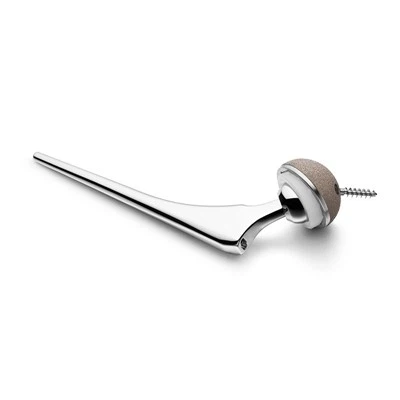
Hey there! As a supplier of hip replacement implants, I've seen firsthand the incredible impact that these medical devices can have on people's lives. Today, I want to talk about one type of hip replacement implant in particular: ceramic hip replacement implants. In this blog post, I'll share some of the advantages of ceramic hip replacement implants and why they might be a great option for you or someone you know.
Durability
One of the biggest advantages of ceramic hip replacement implants is their durability. Ceramic is an extremely hard and wear-resistant material, which means that ceramic hip implants can last a long time. In fact, many ceramic hip implants are designed to last for 20 years or more. This is a significant advantage over other types of hip replacement implants, such as metal-on-metal or polyethylene-on-metal implants, which may need to be replaced after 10 to 15 years.
The durability of ceramic hip implants is due in part to the low friction coefficient of ceramic. When the ceramic ball of the hip implant moves against the ceramic socket, there is very little friction, which reduces wear and tear on the implant. This also means that there is less debris generated by the implant, which can help to prevent inflammation and other complications.
Biocompatibility
Another advantage of ceramic hip replacement implants is their biocompatibility. Ceramic is a biologically inert material, which means that it does not react with the body's tissues or fluids. This makes ceramic hip implants less likely to cause an allergic reaction or other immune response in the body.


In addition, ceramic hip implants are less likely to release metal ions into the body, which can be a concern with metal-on-metal implants. Metal ions can cause a variety of health problems, including inflammation, pain, and even tissue damage. By using a ceramic hip implant, you can reduce your risk of these complications.
Low Noise
Ceramic hip replacement implants are also known for being quiet. When the ceramic ball of the hip implant moves against the ceramic socket, there is very little noise generated. This is a significant advantage over other types of hip replacement implants, such as metal-on-metal implants, which can produce a clicking or grinding noise.
The low noise level of ceramic hip implants can be especially beneficial for people who are active or who have a busy lifestyle. You won't have to worry about the noise of your hip implant interfering with your daily activities or embarrassing you in social situations.
Improved Range of Motion
Ceramic hip replacement implants can also provide an improved range of motion compared to other types of hip replacement implants. The smooth surface of the ceramic ball and socket allows for a more natural movement of the hip joint, which can help to improve your mobility and flexibility.
In addition, the low friction coefficient of ceramic means that there is less resistance to movement in the hip joint. This can make it easier for you to perform activities such as walking, running, and climbing stairs.
Reduced Risk of Dislocation
Ceramic hip replacement implants are also associated with a reduced risk of dislocation. The design of the ceramic hip implant helps to keep the ball of the hip joint securely in the socket, which reduces the risk of the joint dislocating.
In addition, the smooth surface of the ceramic ball and socket allows for a more stable movement of the hip joint, which can also help to prevent dislocation. This is especially important for people who are active or who have a high risk of falling.
Different Types of Ceramic Hip Replacement Implants
There are several different types of ceramic hip replacement implants available on the market today. Some of the most common types include:
- SS Cemented Hip Replacement: This type of hip replacement implant uses a special cement to hold the implant in place. The SS Cemented Hip Replacement is a popular choice for people who have a good bone quality and who want a stable and secure implant.
- Cemented Hip Replacement: Similar to the SS Cemented Hip Replacement, the Cemented Hip Replacement uses a cement to hold the implant in place. This type of implant is also a good choice for people who have a good bone quality.
- Cementless Hip Replacement Implant: This type of hip replacement implant does not use a cement to hold the implant in place. Instead, the implant is designed to grow into the bone over time. The Cementless Hip Replacement Implant is a popular choice for people who have a poor bone quality or who want a more natural feeling implant.
Conclusion
As you can see, there are many advantages to using ceramic hip replacement implants. From their durability and biocompatibility to their low noise and improved range of motion, ceramic hip implants offer a number of benefits that can help to improve your quality of life.
If you're considering a hip replacement surgery, I encourage you to talk to your doctor about the possibility of using a ceramic hip replacement implant. Your doctor can help you determine if a ceramic hip implant is the right choice for you based on your individual needs and circumstances.
And if you're a medical professional or a distributor looking for high-quality hip replacement implants, I invite you to contact us to learn more about our products and services. We're committed to providing the best possible products and support to our customers, and we'd be happy to discuss your specific requirements with you.
References
- "Ceramic Hip Replacements: Benefits and Risks." Arthritis Foundation.
- "Hip Replacement Implants: Types, Benefits, and Risks." Mayo Clinic.
- "Ceramic Hip Implants: A Review of the Literature." Journal of Arthroplasty.