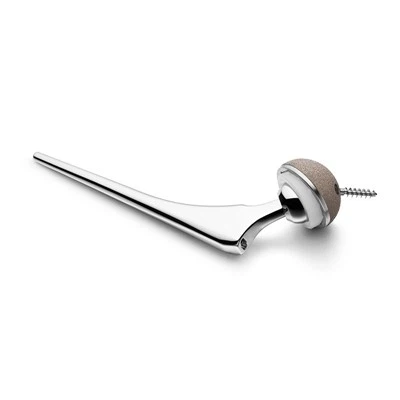
LCP (Locking Compression Plate) systems have revolutionized the field of orthopedic trauma surgery since their introduction. As a leading LCP plate supplier, I am well - versed in the numerous advantages these plates offer. In this blog, I will delve into the key benefits of LCP plates, which have made them a preferred choice for orthopedic surgeons worldwide.
1. Enhanced Stability
One of the most significant advantages of LCP plates is their ability to provide enhanced stability. Traditional plates rely on friction between the plate and the bone to maintain fixation. However, this can be compromised by factors such as osteoporosis, comminuted fractures, or poor bone quality. LCP plates, on the other hand, use a locking mechanism. The screws lock into the plate, creating a fixed - angle construct. This fixed - angle stability allows for more reliable load transfer from the plate to the bone, reducing the risk of screw loosening and plate migration.
For example, in cases of complex fractures where multiple fragments are involved, the stability provided by LCP plates is crucial. The locking screws prevent the fragments from shifting, which is essential for proper bone healing. This enhanced stability also allows for earlier mobilization of the patient, which can lead to better functional outcomes.
2. Preservation of Blood Supply
LCP plates are designed to minimize soft - tissue and bone blood supply disruption. Unlike traditional plates that require significant compression against the bone, LCP plates can be used in a non - compression mode. When the locking screws are tightened, they do not compress the bone against the plate, which helps to preserve the periosteal blood supply.
The periosteum is a vital layer of tissue that contains blood vessels and cells necessary for bone repair. By preserving its blood supply, LCP plates promote a more favorable environment for bone healing. This is particularly important in cases of open fractures or fractures in patients with compromised vascularity, where maintaining blood flow to the bone is critical for preventing infection and promoting healing.
3. Adaptability to Different Fracture Patterns
LCP plates come in a wide variety of shapes and sizes, making them highly adaptable to different fracture patterns. Whether it's a simple transverse fracture or a complex multi - fragmentary fracture, there is an LCP plate design that can be used.
For instance, the Variable Angle Distal Radius Locking Plate is specifically designed for fractures of the distal radius. Its variable - angle locking holes allow the surgeon to place the screws at different angles, which is useful for achieving optimal fixation in the complex anatomy of the wrist. Similarly, the Proximal Medial Tibial Locking Plate is tailored to the proximal medial tibia, providing stable fixation for fractures in this area. The Reconstruction Locking Plate is versatile and can be used for reconstructing large bone defects or complex fractures in various locations.
4. Reduced Soft - Tissue Irritation
Another advantage of LCP plates is that they cause less soft - tissue irritation compared to traditional plates. The smooth surface of LCP plates and the locking mechanism reduce the likelihood of the plate rubbing against the surrounding soft tissues. This is important because soft - tissue irritation can lead to pain, inflammation, and even infection.
In addition, the locking screws of LCP plates are designed to be flush with the plate surface, which further minimizes the risk of soft - tissue damage. This is especially beneficial in areas where the soft tissues are thin, such as the wrist and ankle, where even minor irritation can cause significant discomfort to the patient.
5. Improved Fracture Healing
The combination of enhanced stability, preservation of blood supply, and adaptability to different fracture patterns ultimately leads to improved fracture healing. With LCP plates, the risk of non - union (failure of the bone to heal) and malunion (improper healing of the bone) is significantly reduced.
The stable fixation provided by LCP plates allows for the formation of callus, which is an important part of the bone - healing process. The preservation of blood supply ensures that the bone cells receive the necessary nutrients and oxygen for growth and repair. As a result, patients treated with LCP plates often experience faster and more complete fracture healing, which can lead to a quicker return to normal activities.
6. Biomechanical Advantages
From a biomechanical perspective, LCP plates offer several advantages. The locking mechanism distributes the load more evenly across the plate and the bone, reducing the stress concentration at the screw - bone interface. This helps to prevent screw pull - out and plate failure, especially in cases where the bone is of poor quality.
In addition, the fixed - angle construct of LCP plates allows for better control of the alignment of the fractured bone segments. This is important for restoring the normal anatomy and function of the affected limb. Biomechanical studies have shown that LCP plates can withstand higher loads and cyclic stresses compared to traditional plates, which makes them more suitable for weight - bearing bones and high - stress applications.
7. Compatibility with Minimally Invasive Techniques
LCP plates are compatible with minimally invasive surgical techniques. Minimally invasive surgery (MIS) has become increasingly popular in orthopedics due to its many benefits, such as reduced soft - tissue damage, less pain, and faster recovery times.
The design of LCP plates allows them to be inserted through small incisions using specialized instruments. This reduces the risk of infection and scarring associated with open surgery. In addition, MIS with LCP plates can be performed with less blood loss and shorter hospital stays, which is beneficial for both the patient and the healthcare system.
Conclusion
In conclusion, LCP plates offer a multitude of advantages in the treatment of fractures. Their enhanced stability, preservation of blood supply, adaptability to different fracture patterns, reduced soft - tissue irritation, improved fracture healing, biomechanical advantages, and compatibility with minimally invasive techniques make them a superior choice for orthopedic surgeons.


As a supplier of LCP plates, I am committed to providing high - quality products that meet the needs of orthopedic surgeons and their patients. If you are interested in learning more about our LCP plates or would like to discuss potential procurement opportunities, please feel free to reach out. We look forward to the possibility of working with you to improve the outcomes of fracture treatment.
References
- Perren SM. Evolution of the internal fixation of long bone fractures. The scientific basis of biological internal fixation: choosing a new balance between stability and biology. J Bone Joint Surg Am. 2002;84 - A(1):109 - 122.
- Bhandari M, Tornetta P 3rd, Fracture Fixation: Biomechanics and Implant Design. In: Bucholz RW, Heckman JD, Court - Brown CM, eds. Rockwood and Green's Fractures in Adults. 7th ed. Philadelphia, PA: Lippincott Williams & Wilkins; 2010:213 - 246.
- Kregor PJ, Cole PA. Locking plates: current concepts. J Am Acad Orthop Surg. 2006;14(10):556 - 565.