

Performing a full knee replacement set surgery on patients with previous knee injuries presents a unique set of challenges that orthopedic surgeons and medical professionals must navigate carefully. As a supplier of Full Knee Replacement Set, I have witnessed firsthand the complexities associated with these cases and understand the importance of addressing them effectively.
Anatomical Changes
One of the primary challenges in performing a full knee replacement on patients with previous knee injuries is the presence of anatomical changes. Previous surgeries, fractures, or ligament injuries can alter the normal structure and alignment of the knee joint. These changes may include bone deformities, joint instability, or scar tissue formation, which can make it difficult to accurately position the knee replacement components.
For example, a patient who has undergone a previous knee ligament reconstruction may have a different anatomical structure compared to a patient with an intact ligament. The presence of a ligament graft or scar tissue can affect the range of motion and stability of the knee joint, making it challenging to achieve optimal alignment and function with the new knee replacement.
In addition, bone deformities resulting from previous fractures or arthritis can also pose significant challenges during surgery. These deformities may require additional bone resection or the use of specialized implants to correct the alignment and restore normal joint function. Surgeons must carefully evaluate the patient's anatomy and plan the surgery accordingly to ensure the best possible outcome.
Soft Tissue Damage
Another challenge in performing a full knee replacement on patients with previous knee injuries is the presence of soft tissue damage. Previous surgeries or injuries can cause damage to the muscles, tendons, and ligaments around the knee joint, which can affect the stability and function of the joint.
Soft tissue damage can also lead to scar tissue formation, which can limit the range of motion and flexibility of the knee joint. Scar tissue can adhere to the surrounding tissues, making it difficult to mobilize the joint and achieve optimal function after surgery.
Surgeons must take into account the extent of soft tissue damage when planning the surgery and may need to perform additional procedures to address the soft tissue issues. This may include releasing tight muscles or tendons, repairing damaged ligaments, or removing scar tissue to improve the range of motion and stability of the knee joint.
Infection Risk
Patients with previous knee injuries are also at an increased risk of developing infections after a full knee replacement surgery. Previous surgeries or injuries can disrupt the normal protective barriers of the skin and soft tissues around the knee joint, making it easier for bacteria to enter the joint and cause an infection.
In addition, patients with previous knee injuries may have a weakened immune system or underlying medical conditions that can further increase their risk of infection. Surgeons must take appropriate precautions to minimize the risk of infection, such as using sterile techniques during surgery, administering prophylactic antibiotics, and closely monitoring the patient for signs of infection after surgery.
If an infection does occur, it can be a serious complication that can lead to implant failure, joint destruction, and the need for additional surgeries. Therefore, it is essential to identify and treat infections early to prevent further complications and ensure the best possible outcome for the patient.
Implant Selection
Selecting the appropriate implant is crucial in performing a successful full knee replacement on patients with previous knee injuries. The presence of anatomical changes and soft tissue damage may require the use of specialized implants that are designed to accommodate these unique challenges.
For example, patients with bone deformities may require the use of custom-made implants that are specifically designed to fit their individual anatomy. These implants can provide better alignment and stability, which can improve the long-term outcome of the surgery.
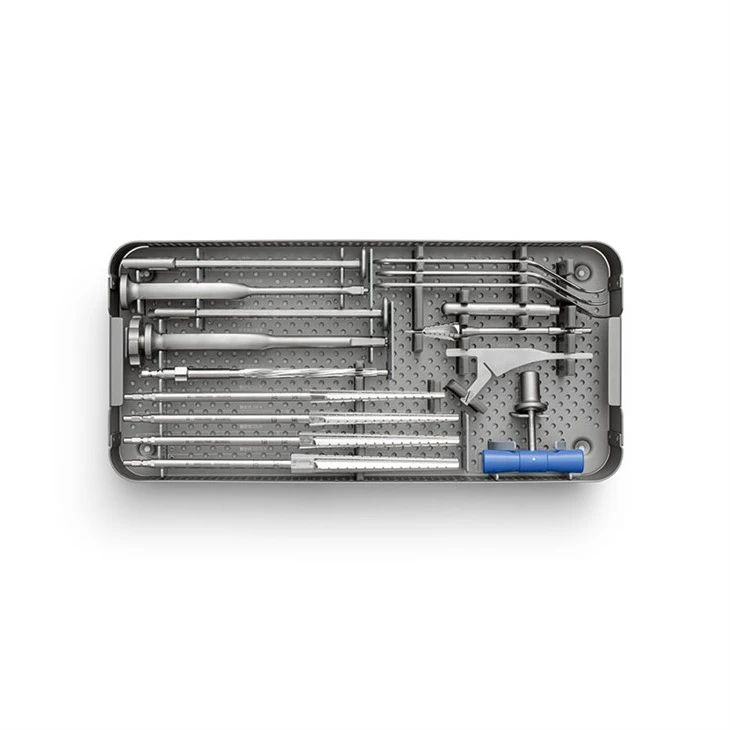
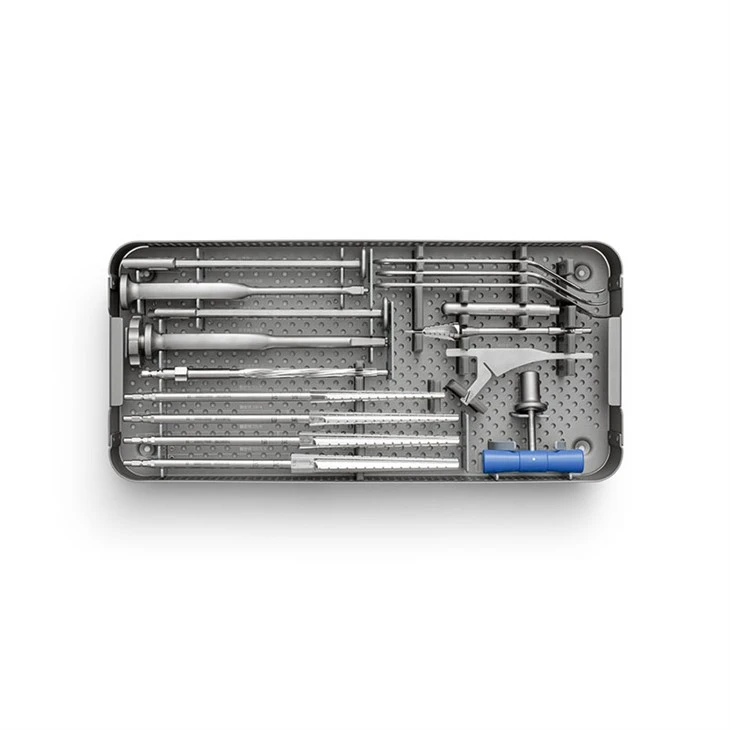
In addition, patients with soft tissue damage may benefit from the use of implants that are designed to minimize the stress on the surrounding tissues. These implants can help to reduce the risk of further soft tissue damage and improve the range of motion and function of the knee joint.
As a supplier of Full Knee Replacement Set, we offer a wide range of implants that are designed to meet the diverse needs of patients with previous knee injuries. Our implants are made from high-quality materials and are designed to provide optimal performance and durability.
Rehabilitation Challenges
Rehabilitation is an essential part of the recovery process after a full knee replacement surgery, and patients with previous knee injuries may face additional challenges during this phase. The presence of anatomical changes and soft tissue damage can make it more difficult for patients to regain strength, flexibility, and range of motion in the knee joint.
In addition, patients with previous knee injuries may have a longer recovery time compared to patients without a history of knee injuries. This is because the underlying damage to the knee joint may require more time to heal, and the patient may need to undergo more intensive rehabilitation to achieve optimal function.
Surgeons and rehabilitation specialists must work closely together to develop a personalized rehabilitation plan for each patient. This plan should take into account the patient's individual needs and goals, as well as the extent of the previous knee injury and the type of knee replacement surgery performed.
The rehabilitation plan may include a combination of physical therapy, exercises, and medications to help the patient regain strength, flexibility, and range of motion in the knee joint. In addition, patients may also need to use assistive devices, such as crutches or a walker, during the early stages of recovery to help them move around safely.
Conclusion
Performing a full knee replacement set surgery on patients with previous knee injuries presents a unique set of challenges that require careful planning and consideration. Anatomical changes, soft tissue damage, infection risk, implant selection, and rehabilitation challenges are all factors that must be taken into account to ensure the best possible outcome for the patient.
As a supplier of Full Knee Replacement Set, we understand the importance of providing high-quality products and support to help surgeons overcome these challenges. Our Titanium Knee Replacement Set and Hip Replacement Implant Surgical Instrument are designed to meet the diverse needs of patients with previous knee injuries and provide optimal performance and durability.
If you are an orthopedic surgeon or medical professional interested in learning more about our products or discussing the challenges of performing a full knee replacement on patients with previous knee injuries, please do not hesitate to contact us. We would be happy to provide you with more information and support to help you achieve the best possible outcomes for your patients.
References
- [1] Insall, J. N., & Scott, W. N. (1998). Surgery of the knee. Churchill Livingstone.
- [2] Miller, B. F., & Stone, M. H. (2009). Knee surgery: Basic science and arthroscopy. Lippincott Williams & Wilkins.
- [3] Rand, J. A. (2008). Total knee replacement. Mayo Clinic Proceedings, 83(10), 1161-1170.






