

Hey everyone! As an intramedullary nail supplier, I've seen firsthand how these devices play a crucial role in treating fractures. But what exactly affects the outcome of intramedullary nail treatment? Let's dive in and explore the key factors.
Patient - related Factors
Age
Age is a biggie. Older patients often have reduced bone density and slower healing abilities. For instance, in elderly patients with hip fractures treated with intramedullary nails, osteoporosis can make the bone more brittle. The weakened bone may not hold the nail as securely, increasing the risk of implant loosening or even secondary fractures. On the other hand, younger patients generally have stronger bones and a faster metabolic rate, which means they're more likely to heal quickly. Their bodies can better adapt to the presence of the intramedullary nail, and the chances of a successful recovery are significantly higher.
Overall Health
A patient's general health status is also super important. Conditions like diabetes can affect blood circulation and the immune system. Poor blood circulation means that the area around the fracture may not get enough oxygen and nutrients, which are essential for bone healing. And a weakened immune system can make patients more susceptible to infections. If an infection occurs after intramedullary nail insertion, it can lead to serious complications, such as osteomyelitis, which can delay or even prevent proper healing. Other comorbidities like heart disease or kidney problems can also impact a patient's ability to tolerate the surgery and recover.
Bone Quality
The quality of the patient's bone at the fracture site matters a lot. Bones with good density and structure are more likely to support the intramedullary nail. In cases of pathological fractures, where the bone has been weakened by diseases like cancer or bone tumors, the intramedullary nail may not be as effective. The abnormal bone may not provide a stable base for the nail, and there's a higher risk of the nail migrating or the fracture not healing properly.
Fracture - related Factors
Fracture Type
Different types of fractures respond differently to intramedullary nail treatment. For example, a simple transverse fracture is usually easier to treat than a comminuted fracture, where the bone is broken into multiple pieces. In a comminuted fracture, it can be challenging to align all the bone fragments correctly with the intramedullary nail. There may be a higher risk of malunion, where the bone heals in an abnormal position.
If you're dealing with intertrochanteric hip fractures, using an Intramedullary Nail for Intertrochanteric Hip Fracture can be a great option. However, these fractures often involve complex fracture patterns, and ensuring proper fixation and alignment is crucial for a good outcome.
Fracture Location
The location of the fracture within the bone can also affect the treatment outcome. Fractures near joints can be more problematic because they may disrupt the normal joint mechanics. For example, a tibial fracture close to the knee joint treated with an Intramedullary Interlocking Nail Tibia may require more precise alignment to prevent long - term joint problems. The proximity to blood vessels and nerves at certain fracture locations can also increase the risk of complications during surgery.
Soft Tissue Damage
Severe soft tissue damage around the fracture site can cause delays in healing. When the surrounding muscles, tendons, and ligaments are damaged, they may not provide adequate support to the bone. Also, soft tissue damage can lead to swelling and inflammation, which can affect the blood supply to the fracture area. In cases of open fractures, where the bone breaks through the skin, there's an even higher risk of infection, which can further complicate the intramedullary nail treatment process.
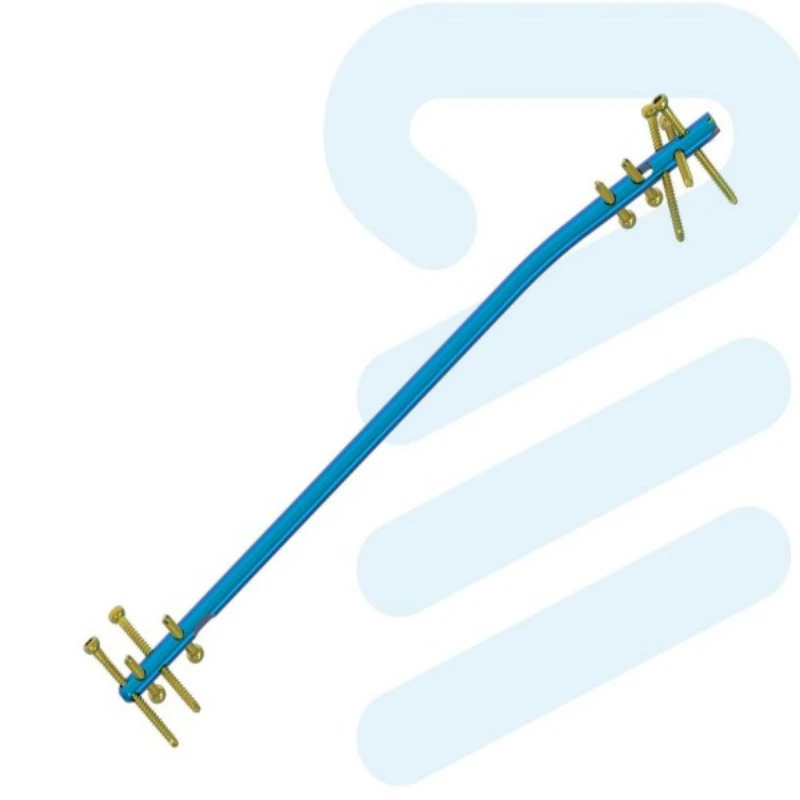

Implant - related Factors
Nail Design
The design of the intramedullary nail is crucial. A well - designed nail should be able to provide stable fixation while allowing for some degree of physiological movement to promote bone healing. For example, nails with different locking mechanisms can be used depending on the type of fracture. Some nails have static locking, which provides rigid fixation initially, while others have dynamic locking, which allows for some micromotion as the bone heals.
For intertrochanteric fractures, an Intramedullary Nail Intertrochanteric Fracture is designed specifically to address the unique anatomical and biomechanical challenges of this area. The design of these nails takes into account the shape of the hip bone and the forces acting on it during normal movement.
Nail Material
The material of the intramedullary nail can also affect the treatment outcome. Common materials include titanium and stainless steel. Titanium is lightweight, has good biocompatibility, and is less likely to cause allergic reactions. Stainless steel, on the other hand, is stronger and more rigid. The choice of material depends on various factors, such as the patient's age, the type of fracture, and the expected load on the bone.
Nail Size
Selecting the right nail size is essential. If the nail is too small, it may not provide sufficient stability, and there's a risk of the fracture fragments shifting. If the nail is too large, it can cause excessive stress on the bone, potentially leading to bone damage or implant failure. Surgeons need to carefully measure the size of the medullary canal before choosing the appropriate intramedullary nail.
Surgical - related Factors
Surgeon's Experience
The experience of the surgeon performing the intramedullary nail insertion is a major factor. An experienced surgeon is more likely to accurately align the fracture fragments and place the nail correctly. They are also better at handling any unexpected complications that may arise during the surgery. For example, in complex fractures, an experienced surgeon can make informed decisions about the best approach to use and the appropriate locking techniques.
Surgical Technique
The surgical technique used can also impact the outcome. A minimally invasive approach is often preferred as it causes less damage to the surrounding soft tissues, reduces blood loss, and speeds up the recovery process. However, using a minimally invasive technique requires a high level of surgical skill. Proper sterilization and aseptic techniques during surgery are also crucial to prevent infections.
Post - operative Care
What happens after the surgery is just as important as the surgery itself. Patients need to follow a strict post - operative care plan, which may include physical therapy, weight - bearing restrictions, and regular follow - up appointments. Physical therapy helps to improve joint mobility, strengthen the muscles around the fracture site, and promote overall recovery. Weight - bearing restrictions are necessary to prevent excessive stress on the healing bone and the intramedullary nail.
If you're in the market for high - quality intramedullary nails for your orthopedic surgical needs, we're here to help. We understand the importance of these factors in ensuring successful treatment outcomes. Whether you're dealing with hip fractures, tibial fractures, or other types of fractures, our range of intramedullary nails is designed to meet the highest standards of quality and performance. Contact us to start a procurement discussion and find the right intramedullary nails for your patients.
References
- Smith, J. D. (2019). Bone Fracture Treatment: Principles and Practice. Elsevier.
- Johnson, M. L. (2020). Orthopedic Implants: Design and Function. Springer.
- Brown, R. A. (2021). Clinical Orthopedics and Related Research. Lippincott Williams & Wilkins.






