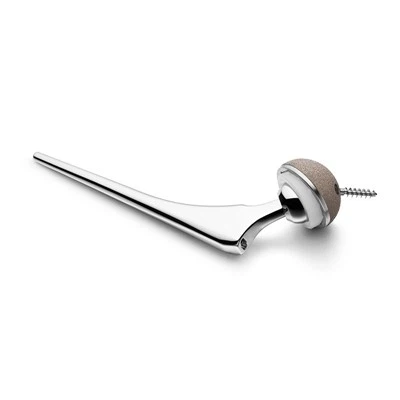
Hey there! As a supplier of Cemented Hip Replacement products, I've been getting a lot of questions lately about possible allergic reactions to the materials used in these replacements. So, I thought I'd take some time to break it down for you.
First off, let's talk about what a cemented hip replacement is. In a cemented hip replacement, a special bone cement is used to fix the artificial hip components to the bone. This helps to provide immediate stability and support. But like any medical procedure involving foreign materials, there's always a risk of an allergic reaction.
Common Materials in Cemented Hip Replacements
The main materials used in cemented hip replacements include the metal components, the bone cement, and sometimes, additional coatings or polymers. Let's take a closer look at each of these and the potential allergic reactions they might cause.
Metal Components
Most hip replacement implants have metal parts, usually made from titanium, cobalt - chromium alloys, or stainless steel. Titanium is generally well - tolerated by the body and has a low risk of allergic reactions. It's known for its biocompatibility, which means the body doesn't usually recognize it as a foreign invader.
However, cobalt - chromium alloys can sometimes cause problems. Some people may be allergic to cobalt or chromium. Allergic reactions to these metals can range from mild to severe. Mild reactions might include skin rashes, itching, or swelling around the surgical site. In more severe cases, patients could experience joint pain, inflammation, and even loosening of the implant over time.
Stainless steel is another option, but it also contains nickel, which is a common allergen. Nickel allergies can cause similar symptoms to cobalt and chromium allergies, like skin irritation and joint discomfort.
Bone Cement
The bone cement used in cemented hip replacements is typically a polymethylmethacrylate (PMMA) - based material. PMMA is a synthetic polymer that has been used in orthopedic surgery for decades. While it's generally safe, some people may have an allergic reaction to it.


An allergic reaction to PMMA can cause local inflammation at the surgical site. Patients might notice redness, pain, and swelling. In rare cases, systemic reactions can occur, such as fever, chills, and difficulty breathing. These systemic reactions are usually due to the release of chemicals during the polymerization process of the cement.
Coatings and Polymers
Some hip replacement implants have coatings or additional polymers to improve their performance. For example, polyethylene is often used as a bearing surface in the hip joint. Although polyethylene is usually well - tolerated, there have been reports of allergic reactions to it. These reactions can lead to synovitis, which is inflammation of the synovial membrane that lines the joint. Symptoms of synovitis include pain, swelling, and limited range of motion in the hip.
Recognizing Allergic Reactions
It's important for patients to be aware of the signs of an allergic reaction after a cemented hip replacement. If you've had a hip replacement and start to notice any unusual symptoms, such as persistent pain, swelling, or skin rashes, it's crucial to see your doctor right away.
Doctors can use a variety of tests to diagnose an allergic reaction. Skin patch tests can be used to check for allergies to specific metals or other materials. Blood tests can also be done to look for markers of inflammation and allergic response. Imaging tests, like X - rays, CT scans, or MRI scans, can help doctors assess the condition of the implant and the surrounding tissues.
Managing Allergic Reactions
If an allergic reaction is diagnosed, the treatment will depend on the severity of the reaction. In mild cases, doctors may prescribe anti - inflammatory medications or topical creams to relieve the symptoms. For more severe reactions, surgical intervention may be necessary. This could involve removing the implant and replacing it with a different type of material.
For example, if a patient is allergic to the metal components of a hip replacement, the doctor might recommend a Latest Cementless Hip Replacement Implant. Cementless hip replacements rely on a different mechanism to fix the implant to the bone, usually through a porous surface that allows bone to grow into it. This can be a good option for patients with metal allergies. You can learn more about Cementless Hip Replacement and Cementless Hip Replacement Implant on our website.
Our Role as a Supplier
As a supplier of Cemented Hip Replacement products, we understand the importance of providing high - quality, safe materials. We work closely with manufacturers to ensure that all our products meet the highest standards of biocompatibility. We also provide detailed information about the materials used in our products to help doctors and patients make informed decisions.
If you're a medical professional or a healthcare facility interested in our Cemented Hip Replacement products, we'd love to hear from you. We offer a wide range of options to suit different patient needs and preferences. Whether you're looking for a standard cemented hip replacement or a specialized solution, we can help.
Contact us to start a conversation about how we can meet your procurement needs. We're here to support you every step of the way, from product selection to after - sales service.
References
- "Orthopaedic Basic Science: Biology and Biomechanics of the Musculoskeletal System." American Academy of Orthopaedic Surgeons.
- "Clinical Orthopaedics and Related Research." Lippincott Williams & Wilkins.
- "Journal of Bone and Joint Surgery." Journal of Bone and Joint Surgery, Inc.