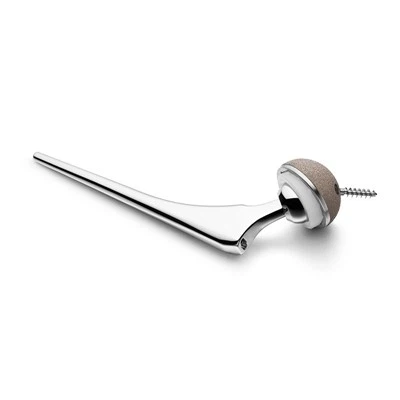
Knee replacement implant surgery is a common and effective procedure for treating severe knee joint problems, such as osteoarthritis, rheumatoid arthritis, and knee injuries. While this surgery can significantly improve a patient's quality of life by reducing pain and restoring mobility, like any surgical procedure, it is not without risks. One of the potential complications that patients and medical professionals should be aware of is nerve damage. As a knee replacement implants supplier, I have seen firsthand the importance of understanding the signs of nerve damage after this type of surgery.
Understanding Nerve Damage in Knee Replacement Implant Surgery
Nerves play a crucial role in the body, transmitting signals between the brain and different parts of the body. In the context of knee replacement surgery, the nerves around the knee joint can be at risk of damage during the surgical process. This damage can occur due to various factors, including direct trauma to the nerves during the incision, stretching of the nerves during the manipulation of the joint, or compression of the nerves by the implant or surrounding tissues.
The type and severity of nerve damage can vary widely, ranging from mild and temporary to severe and permanent. Mild nerve damage may cause only minor symptoms that resolve on their own over time, while severe nerve damage can lead to long - term complications, such as loss of sensation, muscle weakness, and impaired mobility.
Signs of Nerve Damage
Sensory Changes
One of the most common signs of nerve damage after knee replacement implant surgery is sensory changes in the area around the knee. Patients may experience numbness, tingling, or a "pins and needles" sensation in the skin of the lower leg, foot, or around the surgical site. This can be an early indication that the sensory nerves have been affected.
In some cases, patients may also notice a loss of sensitivity to touch, temperature, or pain in the affected area. For example, they may not be able to feel a light touch on the skin or may not realize if they are touching something hot or cold. These sensory changes can be intermittent or constant, and they may worsen or improve over time.
Motor Weakness
Nerve damage can also lead to motor weakness in the muscles around the knee. The nerves that control the muscles in the thigh and lower leg can be affected, resulting in difficulty moving the knee joint or weakness in the leg. Patients may find it challenging to lift their leg, bend or straighten the knee, or walk normally.
Motor weakness can be subtle at first, and patients may only notice it when they try to perform more strenuous activities, such as climbing stairs or getting up from a chair. As the nerve damage progresses, the weakness may become more pronounced, and patients may experience a significant decrease in their ability to perform daily activities.
Pain
Pain is another common symptom of nerve damage. Patients may experience a sharp, shooting pain in the area around the knee or a burning, aching pain that radiates down the leg. This pain can be constant or intermittent, and it may be exacerbated by movement or pressure on the affected area.
The pain associated with nerve damage can be difficult to manage, as it may not respond well to traditional pain medications. In some cases, patients may require specialized treatments, such as nerve blocks or physical therapy, to alleviate the pain.
Reflex Changes
Changes in reflexes can also be a sign of nerve damage. The patellar reflex, which is tested by tapping the knee with a reflex hammer, may be abnormal in patients with nerve damage. A decreased or absent patellar reflex can indicate damage to the nerves that control the muscles involved in this reflex.
Other reflexes in the lower leg, such as the Achilles reflex, may also be affected. These reflex changes can be detected by a healthcare professional during a physical examination and can provide important clues about the extent and location of the nerve damage.
Risk Factors for Nerve Damage
Several factors can increase the risk of nerve damage during knee replacement implant surgery. These include the patient's age, overall health, the complexity of the surgery, and the experience of the surgical team.
Older patients may be more prone to nerve damage because their nerves may be more fragile and less able to recover from injury. Patients with certain medical conditions, such as diabetes or peripheral neuropathy, are also at a higher risk, as their nerves may already be compromised.
The complexity of the surgery can also play a role. Revision knee replacement surgeries, which are performed to correct problems with a previous knee replacement, are generally more complex and carry a higher risk of nerve damage. Additionally, surgeries that involve extensive bone resection or the use of large implants may increase the risk of nerve injury.


Our Knee Replacement Implants
At our company, we are committed to providing high - quality knee replacement implants that are designed to minimize the risk of complications, including nerve damage. We offer a range of products, such as Titanium Knee Replacement Implants, which are known for their strength, durability, and biocompatibility. Titanium implants are less likely to cause allergic reactions and can provide a stable foundation for the knee joint.
Our High - Flexion Total Knee Replacement Implant is another innovative product that allows for greater range of motion in the knee joint. This can help patients to perform daily activities more easily and may reduce the stress on the nerves and surrounding tissues.
We also offer Complete Knee Replacements, which are designed to replace the entire knee joint. These implants are carefully engineered to mimic the natural function of the knee and can provide long - term relief for patients with severe knee problems.
Early Detection and Management
Early detection of nerve damage is crucial for successful treatment. Patients who experience any of the signs mentioned above after knee replacement implant surgery should report them to their healthcare provider immediately. A thorough physical examination, including sensory and motor testing, as well as imaging studies, such as MRI or nerve conduction studies, may be performed to confirm the diagnosis and determine the extent of the nerve damage.
Treatment options for nerve damage depend on the severity and type of the injury. Mild nerve damage may resolve on its own with time and conservative treatments, such as physical therapy, pain management, and the use of supportive devices, like braces or orthotics. In more severe cases, surgical intervention may be necessary to repair the damaged nerves.
Contact Us for Procurement
If you are a medical institution, surgeon, or distributor interested in our knee replacement implants, we encourage you to contact us for procurement discussions. Our team of experts is ready to provide you with detailed information about our products, pricing, and delivery options. We are committed to working closely with our partners to ensure the best outcomes for patients undergoing knee replacement surgery.
References
- American Academy of Orthopaedic Surgeons. (2023). Knee Replacement Surgery.
- Nerve Injury in Total Knee Arthroplasty: Risk Factors, Diagnosis, and Management. Journal of Bone and Joint Surgery.
- The Impact of Implant Design on Nerve Damage in Knee Replacement Surgery. Orthopaedic Research Journal.