

Nerve damage caused by an intramedullary nail is a concerning complication that can occur during or after the use of these medical devices. As an intramedullary nail supplier, I understand the importance of being aware of the potential symptoms of nerve damage to ensure the well - being of patients. In this blog, I will delve into the various symptoms that may indicate nerve damage associated with intramedullary nails.
Understanding Intramedullary Nails
Before we discuss the symptoms of nerve damage, it's essential to understand what intramedullary nails are. Intramedullary nails are surgical implants used to treat fractures of long bones, such as the femur, tibia, and humerus. They are inserted into the medullary canal of the bone, providing stability and support during the healing process. There are different types of intramedullary nails available, including Elastic Intramedullary Nail, Intramedullary Interlocking Nail Tibia, and Titanium Intramedullary Nail. Each type has its own unique features and applications, but all aim to facilitate bone healing.
Causes of Nerve Damage by Intramedullary Nails
Nerve damage can occur due to several reasons during intramedullary nail insertion or subsequent use. One common cause is direct trauma to the nerve during the surgical procedure. The nail may accidentally penetrate or compress a nearby nerve, leading to immediate or delayed nerve injury. Additionally, the inflammation and swelling that occur around the surgical site can put pressure on the nerves, causing damage over time. In some cases, the presence of a poorly - fitting or misaligned intramedullary nail can also contribute to nerve damage.
Symptoms of Nerve Damage
Sensory Symptoms
- Numbness: One of the most common symptoms of nerve damage is numbness in the affected area. Patients may notice a loss of sensation, which can range from a mild tingling feeling to complete numbness. This numbness can be localized to the area near the surgical site or may extend to a larger region of the limb. For example, if the intramedullary nail is used in the tibia, the patient may experience numbness in the lower leg, ankle, or foot.
- Tingling or Pins - and - Needles Sensation: Many patients report a tingling or pins - and - needles sensation, also known as paresthesia. This abnormal sensation can be intermittent or constant and may be accompanied by a feeling of "pins" pricking the skin. It is often a sign of nerve irritation and can be quite uncomfortable for the patient.
- Hyperesthesia: In some cases, nerve damage can lead to hyperesthesia, which is an increased sensitivity to touch or temperature. The patient may find that even light touches or normal environmental temperatures cause pain or discomfort. This heightened sensitivity can make it difficult for the patient to perform daily activities and can significantly impact their quality of life.
Motor Symptoms
- Weakness: Nerve damage can result in muscle weakness in the affected limb. The patient may notice a decrease in their ability to move the limb or perform certain movements. For example, if the nerve damage affects the muscles in the thigh, the patient may have difficulty walking, climbing stairs, or rising from a seated position. The weakness can be mild or severe, depending on the extent of the nerve damage.
- Muscle Atrophy: Prolonged nerve damage can lead to muscle atrophy, which is the wasting away of muscle tissue. As the nerve is unable to properly stimulate the muscle, the muscle fibers gradually shrink in size. This can be visually noticeable as a loss of muscle mass in the affected limb. Muscle atrophy can further exacerbate the weakness and functional limitations of the patient.
- Loss of Coordination: Nerve damage can also affect the patient's coordination and balance. The patient may have difficulty performing fine motor tasks, such as buttoning a shirt or holding a pen. They may also experience problems with balance while walking or standing, increasing the risk of falls.
Pain
- Neuropathic Pain: Nerve damage often causes neuropathic pain, which is a sharp, shooting, or burning pain that can be severe and persistent. This type of pain is different from the normal pain associated with a fracture or surgery and is caused by the abnormal firing of nerve fibers. Neuropathic pain can be difficult to treat and may require specialized medications or therapies.
- Localized Pain: In addition to neuropathic pain, patients may also experience localized pain at the site of the nerve damage. This pain can be constant or may be aggravated by movement or pressure on the affected area. The pain can be a sign of ongoing nerve irritation or inflammation.
Diagnosis and Treatment
If a patient experiences any of the symptoms mentioned above after intramedullary nail insertion, it is crucial to seek medical attention promptly. The doctor will perform a thorough physical examination, including an assessment of the patient's sensory and motor function. Imaging studies, such as X - rays, CT scans, or MRI scans, may also be ordered to evaluate the position of the intramedullary nail and to look for any signs of nerve damage.
Treatment for nerve damage caused by an intramedullary nail depends on the severity of the damage. In mild cases, conservative treatments such as physical therapy, pain medications, and nerve - soothing medications may be sufficient. Physical therapy can help improve muscle strength, coordination, and range of motion. In more severe cases, surgical intervention may be necessary to repair the damaged nerve or adjust the position of the intramedullary nail.
Importance of Quality Intramedullary Nails
As an intramedullary nail supplier, I emphasize the importance of using high - quality intramedullary nails to minimize the risk of nerve damage. Quality nails are designed to fit properly and are less likely to cause direct trauma to the nerves during insertion. They are also made from materials that are biocompatible and less likely to cause inflammation or allergic reactions, which can contribute to nerve damage.

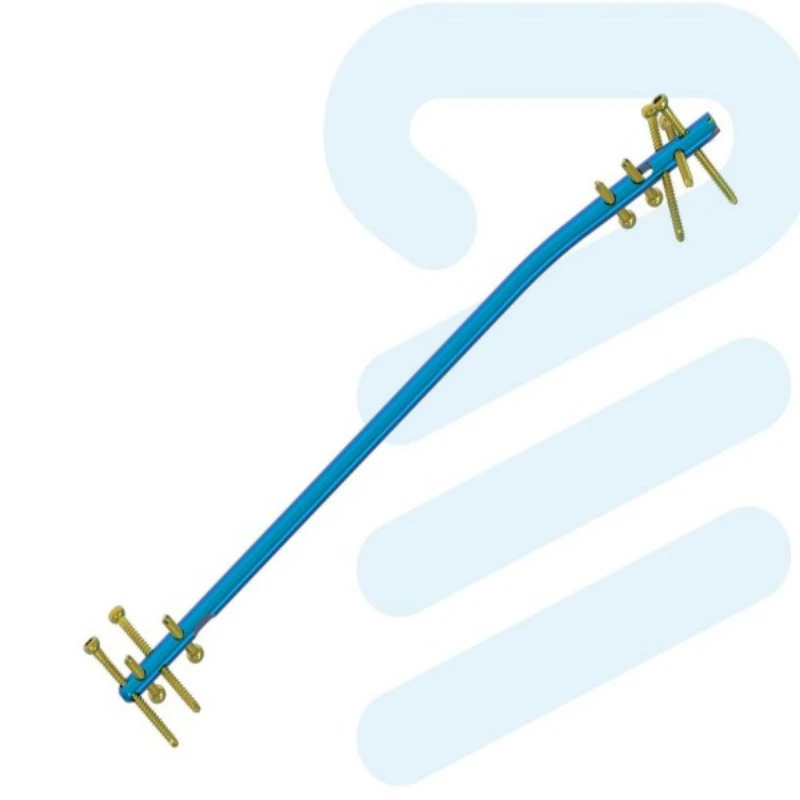
If you are in the medical field and are interested in procuring high - quality intramedullary nails, I encourage you to reach out to discuss your specific requirements. We offer a wide range of intramedullary nails, including Elastic Intramedullary Nail, Intramedullary Interlocking Nail Tibia, and Titanium Intramedullary Nail, which are manufactured to the highest standards. Contact us to start a procurement discussion and ensure the best outcomes for your patients.
References
- American Academy of Orthopaedic Surgeons. (2023). Fracture Treatment with Intramedullary Nails.
- National Institute of Neurological Disorders and Stroke. (2023). Nerve Injury Fact Sheet.
- Orthopaedic Trauma Association. (2023). Guidelines for the Use of Intramedullary Nails.






