

Full knee replacement surgery, also known as total knee arthroplasty, is a common and effective procedure for treating severe knee joint damage. As a leading supplier of Full Knee Replacement Set, we understand the importance of well - trained medical staff in ensuring the success of these surgeries. In this blog, we will explore the various training programs available for medical staff regarding full knee replacement sets.
Theoretical Training
The first step in training medical staff for full knee replacement surgeries is theoretical education. This typically takes place in a classroom or online setting and covers a wide range of topics.
Anatomy and Physiology
Medical staff need to have a comprehensive understanding of the knee joint's anatomy and physiology. They learn about the bones (femur, tibia, and patella), ligaments (anterior cruciate ligament, posterior cruciate ligament, medial collateral ligament, and lateral collateral ligament), tendons, and cartilage that make up the knee. This knowledge is crucial for accurately identifying the damaged areas and planning the replacement surgery. For example, understanding the function of the cruciate ligaments helps surgeons decide whether to retain or replace them during the procedure.
Implant Types and Design
There are different types of full knee replacement sets available on the market, each with its own unique design and features. Our Full Knee Replacement Set is designed to provide optimal stability and range of motion. Medical staff are trained to understand the differences between various implant designs, such as cruciate - retaining, posterior - stabilized, and mobile - bearing implants. They learn about the materials used in the implants, such as titanium and polyethylene, and how these materials interact with the body. Our Titanium Knee Replacement Set offers excellent strength and biocompatibility, which is an important aspect that medical staff need to be aware of.
Surgical Techniques
Theoretical training also includes an overview of different surgical techniques for full knee replacement. Surgeons learn about the traditional open - incision method as well as minimally invasive techniques. Minimally invasive surgery offers benefits such as smaller incisions, less blood loss, and faster recovery times. However, it requires a high level of skill and precision. Medical staff are taught about the steps involved in each technique, including bone preparation, implant placement, and soft - tissue balancing.
Hands - on Training
After the theoretical training, hands - on training is essential for medical staff to gain practical experience.
Cadaveric Dissection
Cadaveric dissection is a valuable training method that allows medical staff to practice surgical techniques on real human specimens. They can familiarize themselves with the knee joint's anatomy in a more tangible way and practice bone cutting, implant placement, and soft - tissue manipulation. This hands - on experience helps them develop the necessary skills and confidence to perform full knee replacement surgeries on live patients.
Surgical Simulators
Surgical simulators are another important tool for hands - on training. These simulators use virtual reality or robotic technology to mimic the surgical environment. Medical staff can practice different surgical techniques on the simulator, receive real - time feedback on their performance, and repeat the procedures until they achieve the desired level of proficiency. Simulators can also be used to train medical staff on rare or complex cases that they may not encounter frequently in clinical practice.
Observation in the Operating Room
Medical staff also have the opportunity to observe experienced surgeons performing full knee replacement surgeries in the operating room. This allows them to see the surgical techniques in action, learn about the decision - making process during the surgery, and understand the importance of teamwork in the operating room. They can ask questions and receive guidance from the experienced surgeons, which helps them improve their skills and knowledge.
Continuing Education
The field of orthopedic surgery is constantly evolving, and medical staff need to stay updated with the latest advancements in full knee replacement technology and techniques. Continuing education programs are available to help them do this.
Conferences and Workshops
Medical conferences and workshops are excellent opportunities for medical staff to learn about the latest research findings, new implant designs, and emerging surgical techniques. These events often feature lectures by leading experts in the field, hands - on workshops, and poster presentations. Medical staff can network with their peers, share experiences, and learn from each other.
Online Courses
Online courses are a convenient way for medical staff to continue their education. There are many online platforms that offer courses on full knee replacement surgery, covering topics such as implant technology, surgical techniques, and post - operative care. Medical staff can access these courses at their own pace and from anywhere in the world.
Quality Assurance and Safety Training
In addition to technical training, medical staff also need to receive training on quality assurance and safety in full knee replacement surgeries.
Sterilization and Instrument Care
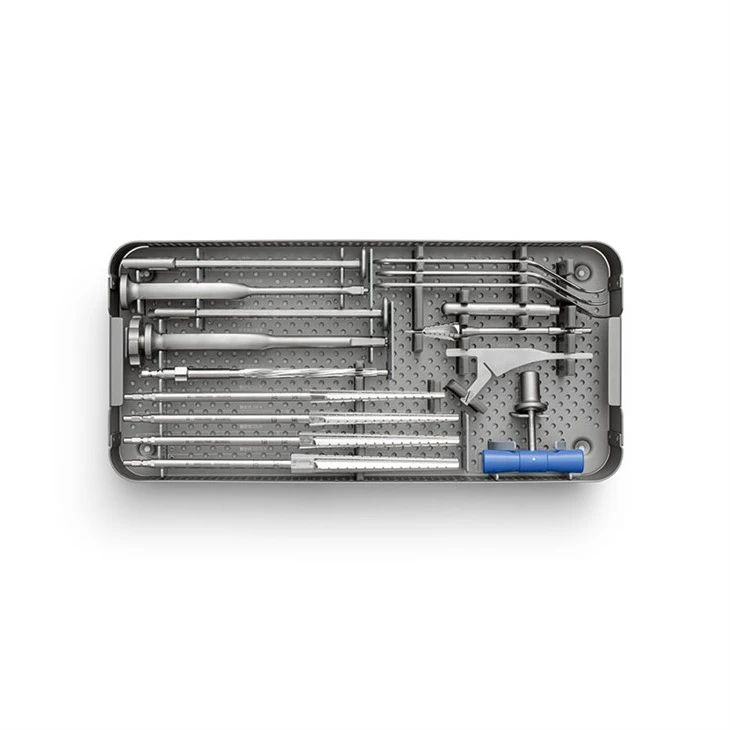
Proper sterilization of surgical instruments is crucial to prevent infections in patients. Medical staff are trained on the correct methods of sterilization, including the use of autoclaves and chemical disinfectants. They also learn how to care for the surgical instruments, such as cleaning, lubricating, and storing them properly. Our Full Knee Replacement Set is designed to be easy to clean and sterilize, which is an important consideration for medical staff.
Patient Safety
Patient safety is of utmost importance in full knee replacement surgeries. Medical staff are trained on how to assess the patient's overall health status before the surgery, identify potential risks, and take appropriate measures to minimize these risks. They also learn about the importance of communication with the patient and their family, providing pre - operative and post - operative education, and ensuring a smooth recovery process.

Conclusion
Training programs for medical staff regarding full knee replacement sets are comprehensive and multi - faceted. They include theoretical education, hands - on training, continuing education, and quality assurance and safety training. As a supplier of high - quality Full Knee Replacement Set, we are committed to supporting medical staff in their training and professional development. We also offer a range of related products, such as Hip Replacement Implant Surgical Instrument, to meet the diverse needs of the orthopedic surgery community.
If you are interested in learning more about our products or have any questions regarding full knee replacement sets, we encourage you to contact us for procurement and further discussions. Our team of experts is ready to assist you in finding the best solutions for your surgical needs.
References
- Campbell's Operative Orthopaedics, 13th Edition
- Journal of Bone and Joint Surgery
- Orthopaedic Knowledge Update: Knee






