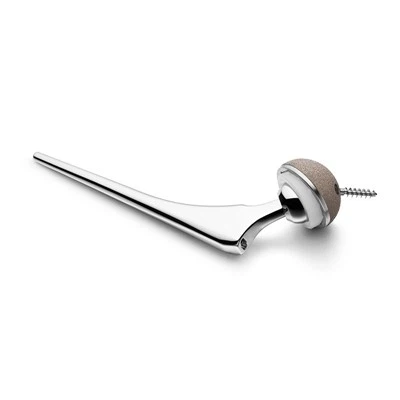
After undergoing hip replacement implant surgery, maintaining bone density becomes a crucial aspect of long - term recovery and overall joint health. As a supplier of Hip Replacement Implants, I understand the significance of this issue and am well - versed in the factors that influence bone density post - surgery. In this blog, I will share some practical strategies that patients can adopt to preserve bone density after hip replacement.
Understanding Bone Density Changes After Hip Replacement
Hip replacement surgery, whether it is Cementless Hip Replacement or Cemented Hip Replacement, can lead to alterations in bone density. In cementless hip replacement, the implant is designed to allow bone to grow into it, promoting osseointegration. However, in the initial stages, there may be some stress shielding, where the implant takes on more of the load, causing the surrounding bone to experience less stress and potentially leading to bone loss over time. In cemented hip replacement, the cement secures the implant to the bone, but there can still be changes in the mechanical environment around the joint that affect bone density.
Dietary Approaches to Maintain Bone Density
A balanced diet rich in essential nutrients is fundamental for maintaining bone density. Calcium is one of the most important minerals for bone health. Dairy products such as milk, cheese, and yogurt are excellent sources of calcium. For those who are lactose - intolerant or prefer non - dairy options, leafy green vegetables like kale, spinach, and broccoli, as well as fortified plant - based milks, can provide a good amount of calcium.
Vitamin D is also crucial as it helps the body absorb calcium. Exposure to sunlight is a natural way to produce vitamin D in the body. However, in regions with limited sunlight or for individuals who spend most of their time indoors, vitamin D supplements may be necessary. Fatty fish like salmon, mackerel, and tuna are also good dietary sources of vitamin D.


In addition to calcium and vitamin D, other nutrients such as magnesium, phosphorus, and vitamin K play important roles in bone metabolism. Nuts and seeds, whole grains, and lean proteins are rich in these nutrients and should be included in the diet.
Physical Activity
Regular physical activity is essential for maintaining bone density after hip replacement surgery. Weight - bearing exercises are particularly beneficial as they put stress on the bones, stimulating bone growth and remodeling. Walking is a simple yet effective weight - bearing exercise that can be started soon after surgery, gradually increasing in duration and intensity as the patient recovers.
Resistance training, such as using light weights or resistance bands, can also help strengthen the muscles around the hip joint. Strong muscles provide better support to the joint and help distribute the load more evenly, reducing the risk of bone loss. However, it is important to consult with a physical therapist or healthcare provider before starting any new exercise program to ensure that it is safe and appropriate for the individual's condition.
Lifestyle Modifications
Certain lifestyle factors can have a significant impact on bone density. Smoking has been shown to decrease bone density and slow down the healing process after surgery. Quitting smoking is therefore highly recommended for patients who have undergone hip replacement.
Excessive alcohol consumption can also negatively affect bone health. Limiting alcohol intake to moderate levels (up to one drink per day for women and up to two drinks per day for men) is advisable.
Adequate sleep is another important aspect of maintaining overall health, including bone health. During sleep, the body undergoes repair and regeneration processes, which are essential for bone remodeling. Aim for 7 - 8 hours of quality sleep per night.
Medication and Supplements
In some cases, healthcare providers may prescribe medications to help maintain bone density after hip replacement. Bisphosphonates are a class of drugs commonly used to treat osteoporosis and prevent bone loss. These medications work by inhibiting the activity of osteoclasts, the cells responsible for breaking down bone.
Calcium and vitamin D supplements may also be recommended, especially if the patient is unable to meet their nutritional needs through diet alone. However, it is important to take these supplements under the guidance of a healthcare provider to avoid potential side effects and ensure proper dosing.
Regular Monitoring
Regular follow - up appointments with the orthopedic surgeon and other healthcare providers are essential for monitoring bone density after hip replacement. Bone density tests, such as dual - energy X - ray absorptiometry (DXA), can be used to assess the bone mineral density of the hip and other areas of the body. These tests can help detect any early signs of bone loss and allow for timely intervention.
The Role of the Hip Replacement Implant
As a supplier of Cementless Hip Replacement Implant, I understand the importance of choosing the right implant for each patient. Modern hip replacement implants are designed to optimize osseointegration and minimize stress shielding. For example, some implants have a porous surface that promotes bone ingrowth, while others are designed to mimic the natural biomechanics of the hip joint more closely.
By working closely with orthopedic surgeons and healthcare providers, we can ensure that patients receive the most suitable implant for their specific needs, which can contribute to better long - term bone health.
Conclusion
Maintaining bone density after hip replacement implant surgery is a multi - faceted process that involves dietary changes, physical activity, lifestyle modifications, and appropriate medical management. As a Hip Replacement Implant supplier, I am committed to providing high - quality implants that support the long - term health of patients. If you are an orthopedic surgeon, hospital, or medical institution interested in learning more about our hip replacement implants or discussing potential procurement opportunities, please feel free to reach out. We are eager to engage in meaningful discussions and provide you with the best solutions for your patients.
References
- American Academy of Orthopaedic Surgeons. (2023). Hip Replacement. Retrieved from [Academy's official website].
- National Osteoporosis Foundation. (2023). Calcium and Vitamin D: Important at Every Age. Retrieved from [Foundation's official website].
- World Health Organization. (2023). Guidelines on physical activity, sedentary behavior and sleep for children under 5 years of age. Retrieved from [WHO's official website].