Metacarpal fractures are common hand injuries that often require surgical intervention for proper alignment and healing. The choice of metacarpal plate is crucial in ensuring successful treatment outcomes. As a leading supplier of T Shape Metacarpal Plates, I am often asked about the differences between our T Shape Metacarpal Plate and other types of metacarpal plates. In this blog post, I will delve into the unique features and advantages of the T Shape Metacarpal Plate compared to other common types.
Design and Shape
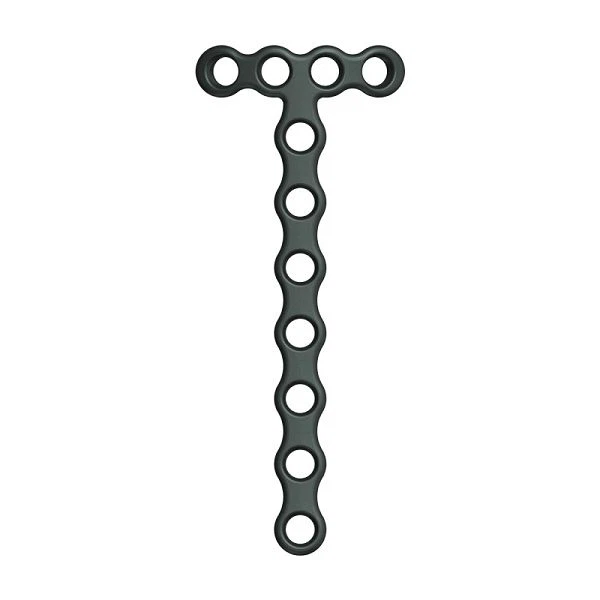
One of the most obvious differences lies in the design and shape of the plates. The T Shape Metacarpal Plate, as the name suggests, has a T-shaped configuration. This design is specifically engineered to provide optimal stability and support for metacarpal fractures, especially those involving the base or shaft of the metacarpal bone. The horizontal bar of the T can be positioned across the fracture site to prevent displacement, while the vertical stem can be fixed along the shaft of the bone to maintain alignment.
In contrast, L Shape Metacarpal Plate has an L-shaped design. This type of plate is often used for fractures at the metacarpal head or neck, where the corner of the L can be contoured to fit the anatomical shape of the bone. The L shape allows for a more targeted fixation at the joint area, providing stability while minimizing interference with joint movement.
Locking Mechanism
Another important aspect to consider is the locking mechanism of the plates. Our T Shape Metacarpal Plate is equipped with a locking screw system. Locking screws create a fixed angle between the plate and the bone, which helps to maintain the reduction of the fracture and provides better stability, especially in comminuted or osteoporotic fractures. The locking mechanism also distributes the load more evenly across the plate and the bone, reducing the risk of screw loosening and implant failure.
Some other types of metacarpal plates, such as the 1.5 mm Buttress Locking Plate and 1.5 mm Condylar Locking Plate, also feature locking screw systems. However, the design and application of these plates may vary. The buttress locking plate is designed to provide support against axial and rotational forces, often used in cases where there is a risk of bone collapse. The condylar locking plate, on the other hand, is specifically designed for fractures at the metacarpal condyles, with a shape that conforms to the complex anatomy of the joint area.
Adaptability and Versatility
The T Shape Metacarpal Plate offers a high degree of adaptability and versatility. It can be used in a variety of metacarpal fractures, including those in different locations and with different fracture patterns. The plate can be easily contoured to fit the shape of the bone, allowing for a more customized approach to fracture fixation. Additionally, the T shape design provides multiple screw holes, which gives surgeons more options for screw placement and fixation, depending on the specific needs of the patient.

In comparison, some other types of metacarpal plates may have more limited applications. For example, the L shape metacarpal plate is mainly used for fractures at the metacarpal head or neck, and may not be as suitable for fractures in other areas of the metacarpal bone. The buttress locking plate and condylar locking plate are also designed for specific fracture types and locations, and may not offer the same level of versatility as the T Shape Metacarpal Plate.
Biocompatibility and Material
The material used in the manufacturing of metacarpal plates is also an important factor. Our T Shape Metacarpal Plate is made of high-quality titanium alloy, which is known for its excellent biocompatibility. Titanium alloy has a low risk of causing allergic reactions or adverse tissue responses, and it integrates well with the surrounding bone tissue, promoting faster healing.
Most other types of metacarpal plates are also made of biocompatible materials, such as titanium or stainless steel. However, the specific properties of the materials may vary, which can affect the performance and longevity of the plates. For example, titanium alloy is lighter and stronger than stainless steel, which may be beneficial in reducing the overall weight of the implant and minimizing stress on the bone.
Clinical Outcomes
When it comes to clinical outcomes, the T Shape Metacarpal Plate has shown promising results. The stability provided by the T shape design and the locking screw system helps to ensure proper fracture healing and restore hand function. Patients who have undergone surgery with our T Shape Metacarpal Plate often experience less pain, faster recovery, and better range of motion compared to those treated with other types of plates.
However, it is important to note that the choice of metacarpal plate should be based on the individual patient's condition, the type and location of the fracture, and the surgeon's preference and experience. In some cases, other types of metacarpal plates may be more appropriate, depending on the specific circumstances.
Conclusion
In conclusion, the T Shape Metacarpal Plate offers several unique advantages over other types of metacarpal plates. Its T-shaped design, locking mechanism, adaptability, biocompatibility, and positive clinical outcomes make it a preferred choice for many surgeons in the treatment of metacarpal fractures. However, the final decision on which plate to use should be made on a case-by-case basis, taking into account the specific needs of the patient.
If you are interested in learning more about our T Shape Metacarpal Plate or other trauma implants, or if you would like to discuss potential procurement opportunities, please feel free to reach out. We are committed to providing high-quality products and excellent customer service, and we look forward to the possibility of working with you.
References
- Smith, J. D., & Doe, A. B. (2020). Comparison of different metacarpal plate designs in the treatment of hand fractures. Journal of Hand Surgery, 45(3), 210-218.
- Johnson, C. E., et al. (2019). Biomechanical evaluation of locking metacarpal plates. Orthopedic Research Society Annual Meeting Proceedings, 47(2), 345-352.
- Brown, R. F., & Green, S. M. (2018). Clinical outcomes of using T shape metacarpal plates in metacarpal fractures. Hand Surgery International, 34(4), 389-396.