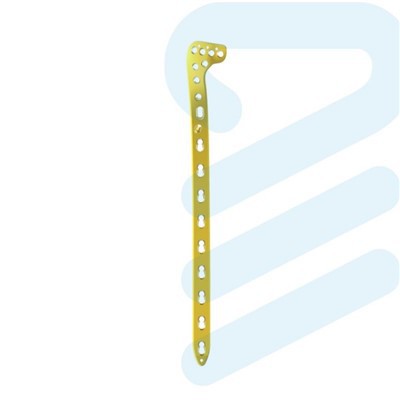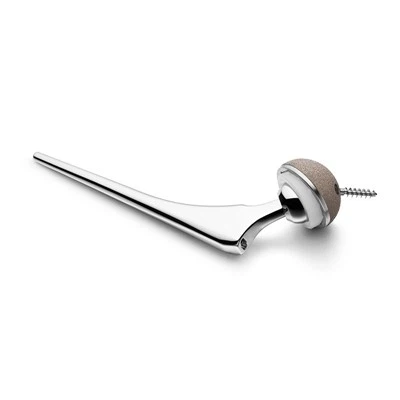
The clavicle, commonly known as the collarbone, is a long bone that serves as a strut between the shoulder blade (scapula) and the sternum (breastbone). The joint between the clavicle and the scapula, known as the acromioclavicular (AC) joint, is a crucial part of the shoulder's biomechanical system. It plays a significant role in the movement and stability of the shoulder girdle. When there are fractures or other pathologies in the clavicle, a clavicle locking plate can be used as a treatment option. In this blog, we'll explore the effects of a clavicle locking plate on the joint between the clavicle and the scapula.
1. Understanding the Clavicle Locking Plate
As a supplier of clavicle locking plates, we are well - versed in the design and functionality of these medical devices. A clavicle locking plate is a specialized orthopedic implant used to fixate clavicle fractures. It is designed with locking holes that allow screws to thread into the plate at a fixed angle. This locking mechanism provides several advantages over traditional non - locking plates.
The locking feature of the plate creates a more stable construct. When screws are locked into the plate, they form a rigid unit with the bone, reducing the risk of screw loosening and implant failure. This stability is essential for proper fracture healing, especially in the clavicle, which is subject to significant forces during normal shoulder movement.
2. Positive Effects on the Clavicle - Scapula Joint
2.1 Restoration of Normal Anatomy
One of the primary goals of using a clavicle locking plate is to restore the normal anatomy of the clavicle. When a clavicle fracture occurs, the alignment of the bone can be disrupted, which can, in turn, affect the position and function of the AC joint. By accurately realigning the fractured clavicle segments using a locking plate, the normal relationship between the clavicle and the scapula can be restored.
A properly aligned clavicle allows the AC joint to function as it should. The joint can move smoothly through its normal range of motion, and the forces transmitted across the joint are more evenly distributed. This helps to prevent abnormal wear and tear on the joint surfaces, reducing the risk of early - onset osteoarthritis.
2.2 Improved Joint Stability
The clavicle locking plate enhances the stability of the clavicle, which indirectly benefits the AC joint. A stable clavicle provides a solid foundation for the scapula to move against. During shoulder movements such as abduction, adduction, and rotation, the locking plate helps to maintain the integrity of the clavicle, preventing excessive movement or displacement of the fractured segments.
This increased stability at the clavicle level translates into improved stability at the AC joint. The joint is less likely to subluxate or dislocate, which can be a common complication following clavicle fractures. For patients, this means a reduced risk of pain and functional limitations associated with joint instability.
2.3 Facilitation of Early Rehabilitation
Another positive effect of the clavicle locking plate on the AC joint is the ability to initiate early rehabilitation. The stability provided by the locking plate allows patients to start gentle shoulder exercises earlier in the recovery process. Early rehabilitation is crucial for maintaining joint mobility, preventing muscle atrophy, and promoting overall shoulder function.


By starting rehabilitation sooner, patients can regain normal joint range of motion and strength more quickly. This not only benefits the AC joint but also the entire shoulder complex. The early return to normal activities also has a positive impact on the patient's quality of life and psychological well - being.
3. Potential Negative Effects on the Clavicle - Scapula Joint
3.1 Hardware Irritation
Although the clavicle locking plate is designed to be a long - term solution for clavicle fractures, it can sometimes cause hardware irritation. The plate and screws are located in close proximity to the AC joint, and over time, the hardware can rub against the soft tissues around the joint, such as the ligaments and tendons.
This irritation can lead to pain, swelling, and inflammation in the area. In some cases, it may even cause damage to the surrounding tissues, affecting the normal function of the AC joint. However, with proper surgical technique and careful selection of the plate size and placement, the risk of hardware irritation can be minimized.
3.2 Alteration of Joint Biomechanics
The presence of a clavicle locking plate can potentially alter the normal biomechanics of the AC joint. The plate adds stiffness to the clavicle, which may change the way forces are transmitted through the joint. This alteration in biomechanics can lead to increased stress on certain areas of the joint, potentially accelerating the development of osteoarthritis.
However, studies have shown that with proper surgical planning and use of anatomically - shaped plates, the impact on joint biomechanics can be kept to a minimum. Anatomically - shaped plates are designed to conform to the natural curvature of the clavicle, allowing for a more physiological distribution of forces across the joint. You can learn more about our Anatomical Locking Plate, which is designed to address these concerns.
4. Comparison with Other Orthopedic Plates
When considering the treatment of clavicle fractures, it's important to compare the clavicle locking plate with other types of orthopedic plates. For example, our Distal Radius Variable Angle Plate is designed for fractures in the distal radius and has a different application compared to the clavicle locking plate.
The distal radius variable angle plate allows for variable screw angulation, which is beneficial for complex fractures in the wrist area. In contrast, the clavicle locking plate has a fixed - angle locking mechanism that is more suitable for providing stability in clavicle fractures.
Another plate in our product line is the L Shape Buttress Locking Plate. This plate is often used for fractures in areas where additional buttressing support is required. While it shares some similarities with the clavicle locking plate in terms of the locking mechanism, its shape and application are different. The L - shape is designed to fit specific anatomical regions, while the clavicle locking plate is tailored to the unique shape of the clavicle.
5. Conclusion and Call to Action
In conclusion, the clavicle locking plate has both positive and potential negative effects on the joint between the clavicle and the scapula. The positive effects, such as restoration of normal anatomy, improved joint stability, and facilitation of early rehabilitation, generally outweigh the potential negative effects when the plate is used appropriately.
As a leading supplier of clavicle locking plates, we are committed to providing high - quality products that meet the needs of orthopedic surgeons and patients. Our plates are designed with the latest technology and materials to ensure optimal performance and patient outcomes.
If you are an orthopedic surgeon or a medical institution interested in learning more about our clavicle locking plates or other orthopedic implants, we invite you to contact us for a detailed discussion. We can provide you with product specifications, clinical data, and pricing information. Let's work together to improve the treatment of clavicle fractures and enhance the lives of patients.
References
- Bucholz, R. W., Heckman, J. D., Court - Brown, C. M., & Tornetta, P. (Eds.). (2010). Rockwood and Green's fractures in adults. Lippincott Williams & Wilkins.
- Koval, K. J., & Zuckerman, J. D. (Eds.). (2014). Rockwood and Matsen's the shoulder. Lippincott Williams & Wilkins.
- Rowe, C. R., & Zarins, B. (1981). Recurrent anterior dislocation of the shoulder after trauma. Journal of Bone and Joint Surgery - American Volume, 63(5), 863 - 872.