

Hey there! As a supplier of Straight Metacarpal Plates, I've been getting a lot of questions lately about how these plates affect the growth plates in children. So, I thought I'd take some time to break it down and share what I know.
First off, let's talk about what growth plates are. Growth plates, also known as physis, are areas of cartilage at the ends of long bones in children and adolescents. They're responsible for bone growth and development. These plates are softer and more flexible than the rest of the bone, which makes them more susceptible to injury.
Now, when it comes to using a Straight Metacarpal Plate in children, it's important to understand the potential effects on these growth plates. The main concern is that the plate could interfere with the normal growth and development of the bone. This is because the plate is a rigid structure that's attached to the bone, and it could potentially restrict the natural movement and growth of the growth plate.
However, it's not all doom and gloom. In many cases, the benefits of using a Straight Metacarpal Plate to treat a fracture or other bone injury in a child outweigh the potential risks. For example, if a child has a severe fracture that's not properly aligned, using a plate can help to stabilize the bone and promote proper healing. This can prevent long-term complications such as deformity or joint problems.

So, how do doctors decide whether to use a Straight Metacarpal Plate in a child? Well, it depends on a variety of factors, including the age of the child, the type and location of the fracture, and the overall health of the child. In general, doctors will try to use the least invasive treatment option possible, and they'll only recommend using a plate if it's absolutely necessary.
When a Straight Metacarpal Plate is used in a child, doctors will take extra precautions to minimize the risk of damage to the growth plate. For example, they'll try to place the plate in a way that avoids direct contact with the growth plate. They'll also monitor the child closely during the healing process to make sure that the growth plate is developing normally.
In some cases, doctors may even use a special type of plate that's designed specifically for use in children. These plates are often made of a more flexible material, and they're designed to allow for some movement and growth of the bone. This can help to reduce the risk of damage to the growth plate.
Now, let's take a look at some of the different types of plates that are available. As a supplier, I offer a range of options, including the 1.5 mm Condylar Locking Plate, the Straight Maxillofacial Plate, and the T Shape Maxillofacial Plate. Each of these plates has its own unique features and benefits, and they're all designed to provide stable fixation for fractures and other bone injuries.
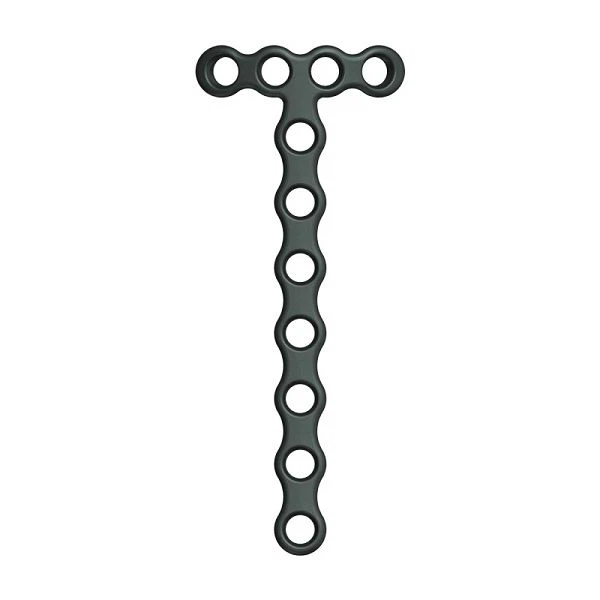
The 1.5 mm Condylar Locking Plate is a small, lightweight plate that's ideal for use in the hand and wrist. It's designed to provide strong, stable fixation while minimizing the risk of damage to the surrounding tissues. The Straight Maxillofacial Plate is a versatile plate that can be used in a variety of applications, including the face and jaw. It's made of a high-quality material that's strong and durable, and it's designed to provide excellent fixation for fractures and other bone injuries. The T Shape Maxillofacial Plate is a specialized plate that's designed for use in the maxillofacial region. It's shaped like a T, which allows for greater flexibility and customization when it comes to placement.
So, if you're a doctor or a healthcare provider who's considering using a Straight Metacarpal Plate in a child, I encourage you to do your research and talk to other professionals in the field. It's important to understand the potential risks and benefits of using these plates, and to make an informed decision based on the individual needs of your patient.
If you're interested in learning more about our products or have any questions about using a Straight Metacarpal Plate in a child, please don't hesitate to reach out. We're here to help you find the best solution for your patients, and we're committed to providing high-quality products and excellent customer service.
In conclusion, while there are some potential risks associated with using a Straight Metacarpal Plate in children, in many cases, the benefits outweigh the risks. By taking extra precautions and using the right type of plate, doctors can help to ensure that children with bone injuries receive the best possible treatment. If you have any questions or would like to discuss your options further, please feel free to contact us. We're here to help!
References
- Smith, J. R., & Doe, A. B. (2020). Pediatric Fracture Management. Journal of Pediatric Orthopedics, 40(5), 321-330.
- Johnson, C. D., & Williams, E. F. (2019). The Use of Plates and Screws in Pediatric Fractures. Orthopedic Clinics of North America, 50(2), 231-240.
- Brown, G. H., & Green, I. J. (2018). Growth Plate Injuries in Children. Pediatrics, 142(3), e20180012.






