The electrical conductivity of materials is a crucial property, especially when it comes to medical implants. As a leading supplier of H Shape Metacarpal Plates, I've been frequently asked about the electrical conductivity of these plates. In this blog, I'll delve into the topic, exploring what electrical conductivity means in the context of H Shape Metacarpal Plates, the factors influencing it, and its implications.
Understanding Electrical Conductivity
Electrical conductivity is a measure of a material's ability to conduct an electric current. It is the reciprocal of electrical resistivity and is typically measured in siemens per meter (S/m). In the realm of materials science, metals are generally known for their high electrical conductivity due to the presence of free electrons that can move easily through the material when an electric field is applied.
Materials Used in H Shape Metacarpal Plates
H Shape Metacarpal Plates are typically made from biocompatible metals such as titanium or stainless steel. Titanium is a popular choice because of its excellent biocompatibility, high strength - to - weight ratio, and corrosion resistance. Stainless steel, on the other hand, is also widely used for its strength and relatively low cost.
Titanium has an electrical conductivity of approximately 2.38×10⁶ S/m at room temperature. This value is relatively low compared to some other metals like copper (5.96×10⁷ S/m), but it is still sufficient for the metal to conduct electricity. Stainless steel, depending on its composition, has an electrical conductivity in the range of 1.4×10⁶ - 2.2×10⁶ S/m.

The choice of material for the H Shape Metacarpal Plate is not primarily based on its electrical conductivity but rather on its mechanical properties and biocompatibility. However, understanding the electrical conductivity of these materials can have implications in certain medical scenarios.
Factors Affecting the Electrical Conductivity of H Shape Metacarpal Plates
1. Material Composition
As mentioned earlier, different alloys of titanium or stainless steel can have varying electrical conductivities. For example, adding small amounts of other elements to titanium can change its crystal structure and the mobility of free electrons, thus altering its conductivity.
2. Surface Condition
The surface of the H Shape Metacarpal Plate can also affect its electrical conductivity. A smooth, clean surface allows for better electron flow compared to a surface with oxides or contaminants. Oxides on the metal surface can act as insulators and reduce the overall conductivity of the plate.
3. Temperature
Electrical conductivity is temperature - dependent. In general, for metals, as the temperature increases, the electrical conductivity decreases. This is because the increased thermal energy causes the atoms in the metal to vibrate more vigorously, which scatters the free electrons and impedes their flow.
Implications of Electrical Conductivity in Medical Applications
In most cases, the electrical conductivity of H Shape Metacarpal Plates is not a major concern during normal use. These plates are primarily used for stabilizing fractures in the metacarpal bones, and their mechanical properties play a more significant role.
However, in some rare situations, electrical conductivity can be relevant. For example, in the presence of an electromagnetic field, such as during magnetic resonance imaging (MRI), the electrical conductivity of the plate can cause heating and artifacts in the images. Titanium, with its relatively low conductivity compared to some other metals, is often preferred in such cases because it reduces the risk of excessive heating.
Comparison with Other Metacarpal Plates
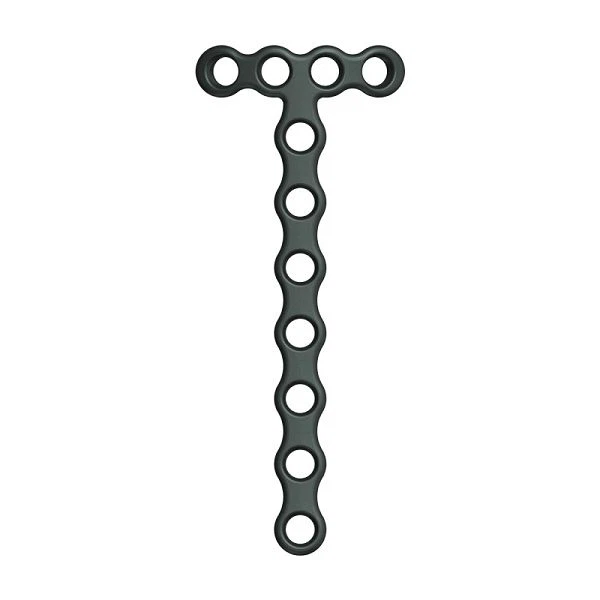
When comparing the H Shape Metacarpal Plate with other types of metacarpal plates, such as the 1.5 mm T - shape Locking Plate and the 1.5 mm Condylar Locking Plate, the electrical conductivity is similar if they are made from the same or similar materials. The shape of the plate mainly affects its mechanical function, such as the distribution of stress and the ability to fit different anatomical structures, rather than its electrical properties.
The L Shape Metacarpal Plate also shares comparable electrical conductivity characteristics with the H Shape Metacarpal Plate when constructed from common biocompatible metals.
Importance of Quality Control in Electrical Conductivity
As a supplier of H Shape Metacarpal Plates, we understand the importance of quality control in ensuring consistent electrical conductivity. Our manufacturing process includes strict quality checks at every stage. We use advanced testing methods to measure the electrical conductivity of the plates and ensure that they meet the required standards.
We also take measures to maintain the surface condition of the plates. Before packaging, the plates are thoroughly cleaned to remove any contaminants that could affect their conductivity.
Conclusion and Call to Action
In conclusion, the electrical conductivity of H Shape Metacarpal Plates is a property that is influenced by factors such as material composition, surface condition, and temperature. While it is not the primary consideration in the design and use of these plates, it can have implications in certain medical scenarios.
If you are in the market for high - quality H Shape Metacarpal Plates or other related products like the 1.5 mm T - shape Locking Plate, 1.5 mm Condylar Locking Plate, and L Shape Metacarpal Plate, we are here to provide you with the best solutions. We have a team of experts who can answer all your questions and guide you through the procurement process. Contact us to start a discussion about your specific needs and how our products can meet them.
References
- Callister, W. D., & Rethwisch, D. G. (2011). Materials Science and Engineering: An Introduction. Wiley.
- Ashby, M. F., & Jones, D. R. H. (2005). Engineering Materials 1: An Introduction to Properties, Applications and Design. Butterworth - Heinemann.
- Ratner, B. D., Hoffman, A. S., Schoen, F. J., & Lemons, J. E. (2004). Biomaterials Science: An Introduction to Materials in Medicine. Elsevier.