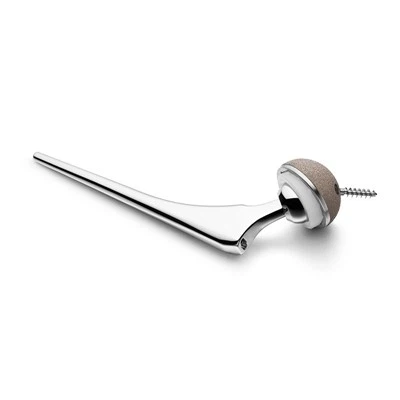
The human foot is a marvel of engineering, a complex structure composed of bones, muscles, tendons, and ligaments that work in harmony to support our body weight, facilitate movement, and maintain balance. Among the many bones in the foot, the calcaneus, or heel bone, plays a crucial role in the overall function and stability of the foot, particularly in relation to the arch of the foot. As a leading supplier of Calcaneus Plate, I have witnessed firsthand the significant impact that a calcaneus plate can have on the arch of the foot, both in terms of its anatomical structure and its functional performance.
The Anatomy and Function of the Foot Arch
Before delving into the impact of a calcaneus plate on the foot arch, it is essential to understand the anatomy and function of the foot arch itself. The foot arch is a curved structure that runs from the heel to the ball of the foot, providing support, shock absorption, and flexibility during walking, running, and other weight-bearing activities. There are three main types of arches in the foot: the medial longitudinal arch, the lateral longitudinal arch, and the transverse arch.
The medial longitudinal arch is the highest and most prominent arch in the foot, running along the inner side of the foot from the heel to the big toe. It is formed by the calcaneus, talus, navicular, cuneiforms, and first three metatarsal bones, and is supported by the plantar fascia, a thick band of connective tissue that runs along the bottom of the foot. The medial longitudinal arch plays a crucial role in maintaining balance, absorbing shock, and transferring weight from the heel to the forefoot during gait.
The lateral longitudinal arch is located on the outer side of the foot, running from the heel to the little toe. It is formed by the calcaneus, cuboid, and fourth and fifth metatarsal bones, and is less pronounced than the medial longitudinal arch. The lateral longitudinal arch provides additional support and stability to the foot, particularly during activities that involve lateral movement or weight-bearing on the outer side of the foot.
The transverse arch runs across the middle of the foot, connecting the medial and lateral sides of the foot. It is formed by the cuneiforms, cuboid, and metatarsal bases, and is supported by the intermetatarsal ligaments and the plantar fascia. The transverse arch helps to distribute weight evenly across the foot, preventing excessive pressure on any one area of the foot and reducing the risk of foot pain and injury.
The Role of the Calcaneus in the Foot Arch
The calcaneus, or heel bone, is the largest and strongest bone in the foot, and plays a crucial role in the formation and support of the foot arch. It serves as the foundation of the foot, providing a stable base for the other bones and structures of the foot to rest upon. The calcaneus also acts as an attachment point for several muscles and tendons that are involved in foot movement and stability, including the Achilles tendon, which connects the calf muscles to the heel bone.
In addition to its structural role, the calcaneus also plays a key role in the biomechanics of the foot arch. During weight-bearing activities, the calcaneus undergoes a complex series of movements and deformations that help to maintain the integrity and function of the foot arch. For example, when the foot strikes the ground during walking or running, the calcaneus rotates and everts slightly, which helps to absorb shock and distribute weight evenly across the foot. As the body weight shifts forward, the calcaneus then rotates and inverts, which helps to lift the medial longitudinal arch and transfer weight from the heel to the forefoot.
The Impact of a Calcaneus Plate on the Foot Arch
A calcaneus plate is a surgical implant that is used to treat fractures of the calcaneus bone. It is typically made of titanium or stainless steel, and is designed to provide stable fixation of the fractured bone fragments, allowing them to heal properly. While the primary goal of a calcaneus plate is to restore the anatomical structure and function of the calcaneus bone, it can also have a significant impact on the arch of the foot.
One of the main ways in which a calcaneus plate can affect the foot arch is by restoring the normal alignment and position of the calcaneus bone. In cases of calcaneus fractures, the bone fragments may become displaced or misaligned, which can lead to a flattening or collapse of the foot arch. By using a calcaneus plate to fixate the fractured bone fragments, the surgeon can realign the calcaneus bone and restore its normal shape and position, which can help to preserve the integrity and function of the foot arch.
In addition to restoring the normal alignment of the calcaneus bone, a calcaneus plate can also provide additional support and stability to the foot arch. The plate acts as a rigid scaffold, holding the bone fragments in place and preventing them from shifting or moving during the healing process. This can help to reduce the stress and strain on the foot arch, allowing it to function more effectively and reducing the risk of further damage or injury.
Another way in which a calcaneus plate can impact the foot arch is by influencing the biomechanics of the foot. When the calcaneus bone is fractured, the normal movements and deformations of the bone during weight-bearing activities are disrupted, which can lead to abnormal loading patterns and increased stress on the foot arch. By using a calcaneus plate to restore the normal alignment and function of the calcaneus bone, the surgeon can also help to restore the normal biomechanics of the foot, which can improve the overall function and performance of the foot arch.


Considerations for Using a Calcaneus Plate
While a calcaneus plate can have a significant impact on the arch of the foot, it is important to note that not all cases of calcaneus fractures require the use of a calcaneus plate. The decision to use a calcaneus plate will depend on several factors, including the type and severity of the fracture, the patient's age and overall health, and the surgeon's experience and preference.
In general, calcaneus plates are most commonly used in cases of displaced or comminuted fractures of the calcaneus bone, where the bone fragments are severely displaced or shattered. In these cases, the use of a calcaneus plate can help to provide stable fixation of the fractured bone fragments, allowing them to heal properly and reducing the risk of complications such as malunion or nonunion.
However, the use of a calcaneus plate is not without risks. Like any surgical procedure, there is a risk of infection, bleeding, nerve damage, and other complications. In addition, the presence of a calcaneus plate in the foot can sometimes cause discomfort or pain, particularly during the early stages of recovery. It is important for patients to discuss the potential risks and benefits of using a calcaneus plate with their surgeon before undergoing surgery.
Other Related Implants
In addition to Calcaneus Plate, our company also offers other high - quality trauma implants, such as the Clavicle Hook Reconstruction Plate and the Dynamic Compression Plate. The Clavicle Hook Reconstruction Plate is designed for the treatment of acromioclavicular joint dislocations and distal clavicle fractures, providing stable fixation and promoting proper healing. The Dynamic Compression Plate, on the other hand, is used for the fixation of long bone fractures, allowing for dynamic compression of the fracture site to enhance bone healing.
Conclusion and Call to Action
In conclusion, the calcaneus plays a vital role in the formation, support, and function of the foot arch. A calcaneus plate can have a significant impact on the foot arch by restoring the normal alignment and position of the calcaneus bone, providing additional support and stability, and influencing the biomechanics of the foot. As a trusted supplier of Calcaneus Plate, we are committed to providing high - quality products that meet the needs of our customers.
If you are in the medical field and are interested in learning more about our calcaneus plates or other trauma implants, we invite you to contact us for a procurement discussion. Our team of experts is ready to assist you in finding the most suitable solutions for your patients.
References
- Kitaoka, H. B., & Alexander, I. J. (1994). Disorders of the foot and ankle. Lippincott Williams & Wilkins.
- Mann, R. A., & Coughlin, M. J. (2002). Surgery of the foot and ankle. Mosby.
- Myerson, M. S. (2005). Foot and ankle disorders. Saunders.