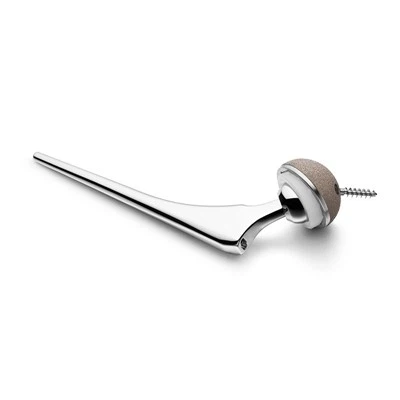
Hypertension, a widespread health condition characterized by elevated blood pressure, affects millions of people worldwide. It is well - known for its association with various cardiovascular and renal complications. However, when it comes to orthopedic procedures such as hip replacement, the impact of hypertension is often overlooked. As a supplier of hip replacement implants, understanding this relationship is crucial for ensuring the best outcomes for patients and providing the most suitable products to medical professionals.
Physiological Impact of Hypertension on the Body
Hypertension has a profound effect on the body's physiological functions. Persistently high blood pressure can damage blood vessels, leading to atherosclerosis, a condition where plaque builds up inside the arteries. This reduces blood flow to various organs and tissues, including the bones and joints. In the context of hip replacement, adequate blood supply is essential for the proper healing of the surgical site and the long - term stability of the implant.
The heart also has to work harder to pump blood against the increased resistance caused by hypertension. This can lead to left ventricular hypertrophy, a thickening of the heart muscle. Patients with left ventricular hypertrophy are at a higher risk of heart failure, arrhythmias, and other cardiac events. These cardiac complications can significantly increase the risk associated with hip replacement surgery, which is a major surgical procedure that requires the patient to be under general or spinal anesthesia.
Impact on Hip Replacement Surgery
Surgical Complications
One of the immediate concerns during hip replacement surgery in hypertensive patients is the risk of bleeding. Hypertension can cause blood vessels to be more fragile and prone to rupture. During the surgical procedure, this can lead to increased blood loss, which may require blood transfusions. Blood transfusions, in turn, carry their own set of risks, such as infection, allergic reactions, and transfusion - related acute lung injury.
Moreover, hypertensive patients are more likely to experience intraoperative hemodynamic instability. Fluctuations in blood pressure can make it difficult for the anesthesiologist to maintain a stable physiological state during the surgery. This instability can lead to reduced blood flow to vital organs, including the brain and kidneys, increasing the risk of postoperative complications such as stroke and acute kidney injury.
Wound Healing
As mentioned earlier, hypertension can impair blood flow to the surgical site. Adequate blood supply is necessary for delivering oxygen, nutrients, and immune cells to the area. In hypertensive patients, the reduced blood flow can slow down the wound - healing process. This increases the risk of wound infections, dehiscence (separation of the wound edges), and delayed bone healing.
A study published in the Journal of Bone and Joint Surgery found that hypertensive patients had a significantly higher incidence of wound infections after hip replacement surgery compared to normotensive patients. Infections can be particularly challenging to treat in the context of hip replacement implants, as they can lead to implant loosening and failure, often requiring additional surgical interventions.
Impact on Hip Replacement Implants
Implant Loosening
The long - term success of hip replacement implants depends on their stable fixation within the bone. Hypertension can affect the bone quality and remodeling process, which are crucial for implant fixation. The reduced blood supply due to hypertension can lead to osteopenia (low bone mass) and osteoporosis, making the bone less dense and more brittle.
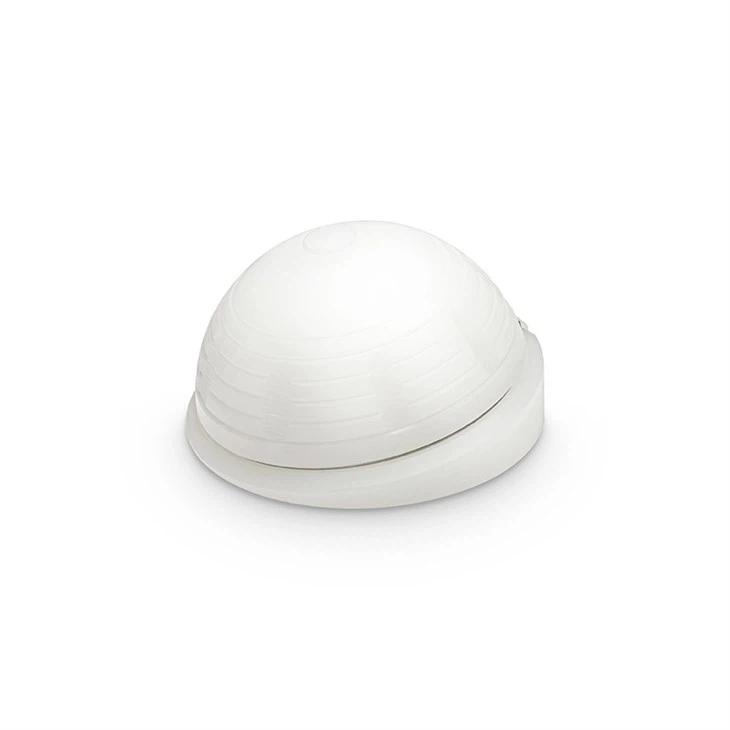
In cemented hip replacement (Cemented Hip Replacement), the cement that anchors the implant to the bone may not adhere as well to the osteoporotic bone. This can lead to early loosening of the implant. In cementless hip replacement (Cementless Hip Replacement), the ingrowth of bone into the porous surface of the implant may be impaired due to the poor bone quality, also resulting in implant loosening over time.
Wear and Tear
Hypertension can also affect the mechanical environment around the hip replacement implant. The altered hemodynamics can lead to abnormal loading patterns on the joint. This increased and uneven stress on the implant can accelerate wear and tear of the implant components. For example, in a total hip replacement, the femoral head and acetabular liner may experience more rapid wear, leading to the generation of wear particles. These particles can cause an inflammatory response in the surrounding tissue, which can further contribute to implant loosening and periprosthetic osteolysis.
Management of Hypertensive Patients Undergoing Hip Replacement
Pre - operative Evaluation
Before performing hip replacement surgery on a hypertensive patient, a thorough pre - operative evaluation is essential. This includes a detailed medical history, physical examination, and laboratory tests to assess the patient's overall cardiovascular health. The patient's blood pressure should be well - controlled before surgery. In some cases, it may be necessary to adjust the patient's antihypertensive medications to optimize blood pressure control.
Cardiac evaluation, such as an electrocardiogram (ECG) and echocardiogram, may be recommended to assess the patient's cardiac function and detect any underlying cardiac conditions. This helps in identifying patients at high risk of perioperative cardiac events and allows for appropriate management strategies to be implemented.

Intra - operative Management
During the surgery, close monitoring of the patient's blood pressure is crucial. The anesthesiologist should use appropriate medications to maintain stable blood pressure within a target range. Fluid management is also important to ensure adequate blood volume and perfusion to the organs.
In addition, the surgical team should take extra precautions to minimize blood loss. This may include the use of hemostatic agents and careful surgical techniques.
Post - operative Care
After the surgery, hypertensive patients require close monitoring of their blood pressure and overall recovery. Wound care is of utmost importance to prevent infections. Physical therapy should be initiated as early as possible to promote mobility and strengthen the muscles around the hip joint.
The patient's antihypertensive medications should be continued, and the dosage may need to be adjusted based on the patient's postoperative blood pressure readings. Regular follow - up appointments are necessary to monitor the long - term stability of the hip replacement implant and detect any signs of complications early.
Role of Hip Replacement Implant Suppliers
As a supplier of hip replacement implants (Hip Replacement Implant), we play a vital role in ensuring the success of hip replacement surgeries in hypertensive patients. We need to provide implants that are designed to withstand the unique challenges posed by hypertension.
For example, we can develop implants with improved surface coatings that promote better bone ingrowth in patients with poor bone quality. These coatings can enhance the fixation of the implant in the osteoporotic bone, reducing the risk of implant loosening.
We also need to work closely with medical professionals to provide them with the necessary information about the implants. This includes data on the performance of the implants in hypertensive patients, as well as any specific considerations for their use in this patient population.
Conclusion
Hypertension has a significant impact on hip replacement implants and the overall outcome of hip replacement surgery. From increasing the risk of surgical complications to affecting the long - term stability of the implant, the presence of hypertension requires careful management at every stage of the treatment process.
As a hip replacement implant supplier, we are committed to developing and providing high - quality implants that can address the challenges faced by hypertensive patients. We understand the importance of collaboration with medical professionals to ensure the best possible outcomes for patients. If you are a medical professional interested in discussing our hip replacement implants or have any questions about their use in hypertensive patients, we encourage you to reach out to us for further information and to start a procurement discussion.
References
- Journal of Bone and Joint Surgery: Study on wound infections in hypertensive patients after hip replacement.
- Various medical textbooks on hypertension and orthopedic surgery for physiological and surgical impact information.