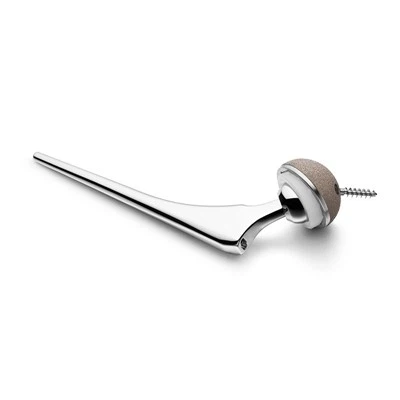
Knee replacement surgery is a common orthopedic procedure that aims to relieve pain and improve joint function in individuals with severe knee damage. Knee replacement implants play a crucial role in this process, but their impact on muscle strength is a topic that deserves in - depth exploration. As a knee replacement implants supplier, I have witnessed firsthand the changes and challenges that patients face after surgery, and I am eager to share some insights on this matter.
The Basics of Knee Replacement Implants
Before delving into the impact on muscle strength, it's important to understand the different types of knee replacement implants available. There are various options, including Complete Knee Replacements, which are designed to replace the entire knee joint when the damage is extensive. Titanium Knee Replacement Implants are another popular choice due to the metal's strength, durability, and biocompatibility. Total Knee Replacement Implant is also a common solution for patients with significant joint deterioration.
These implants are typically made of high - quality materials that can withstand the mechanical stresses of daily activities. They are carefully engineered to mimic the natural movement of the knee joint, allowing patients to regain a certain level of mobility. However, the installation of these implants also has a series of effects on the surrounding muscles.
Immediate Post - operative Impact on Muscle Strength
In the immediate aftermath of knee replacement surgery, patients often experience a significant decline in muscle strength. This is primarily due to the trauma of the surgery itself. The surgical procedure involves cutting through various tissues, including muscles, tendons, and ligaments. This disruption not only causes pain but also leads to inflammation and swelling in the affected area.
The quadriceps muscle, which is responsible for extending the knee, is particularly affected. Studies have shown that quadriceps strength can decrease by up to 50% in the first few weeks after surgery. This decline in strength is a major contributing factor to the difficulty patients have in walking and performing basic tasks such as climbing stairs.
Moreover, the use of pain medications and immobilization devices during the recovery period can also contribute to muscle weakness. Pain medications may cause drowsiness and reduce the patient's motivation to move, while immobilization devices limit the range of motion and prevent the normal use of muscles.
Long - term Impact on Muscle Strength
Over the long term, the impact of knee replacement implants on muscle strength is more complex. In many cases, with proper rehabilitation, patients can regain a significant amount of muscle strength. Rehabilitation programs typically include physical therapy, which focuses on exercises to strengthen the muscles around the knee joint.
Physical therapy usually starts within the first few days after surgery and continues for several months. Exercises may include straight - leg raises, wall squats, and cycling. These exercises help to improve muscle endurance, flexibility, and strength. As the muscles gradually recover, patients can experience an improvement in their overall functional ability.
However, it's important to note that full recovery of muscle strength may not always be achieved. Some patients may experience persistent muscle weakness, especially if they have pre - existing conditions such as osteoporosis or arthritis. Additionally, the design and fit of the knee replacement implant can also affect long - term muscle strength. An implant that is not properly aligned or sized may cause abnormal stress on the muscles, leading to further weakness or pain.
Factors Affecting the Impact on Muscle Strength
Several factors can influence how knee replacement implants affect muscle strength. One of the most important factors is the patient's age. Older patients generally have a slower recovery rate and may have more difficulty regaining muscle strength compared to younger patients. This is because the aging process is associated with a natural decline in muscle mass and strength, known as sarcopenia.
The patient's pre - operative muscle strength also plays a crucial role. Patients who are physically active and have strong muscles before surgery are more likely to recover better after the procedure. On the other hand, patients with a sedentary lifestyle or a history of muscle - related problems may face greater challenges in the recovery process.


The type of knee replacement implant used can also have an impact. Different implants have different biomechanical properties, which can affect the way the muscles function. For example, some implants may allow for a greater range of motion, which can facilitate muscle activation and strengthening.
The Role of Knee Replacement Implant Design
The design of knee replacement implants has evolved significantly over the years. Modern implants are designed to provide a more natural range of motion and better alignment with the patient's anatomy. This can have a positive impact on muscle strength.
A well - designed implant can reduce the abnormal stresses on the muscles, allowing them to function more efficiently. For example, implants with a more anatomical shape can better distribute the load across the joint, reducing the strain on the surrounding muscles. Additionally, some implants are designed with features that promote soft - tissue attachment, which can help to improve the stability of the joint and support muscle function.
However, designing the perfect implant is still a challenge. Implant designers need to balance between providing a wide range of motion and maintaining joint stability. An implant that allows for too much movement may increase the risk of dislocation, while an implant that is too restrictive may limit muscle activation.
The Importance of Post - operative Rehabilitation
Post - operative rehabilitation is crucial for maximizing the recovery of muscle strength after knee replacement surgery. A comprehensive rehabilitation program should be tailored to the individual patient's needs and abilities.
Physical therapists play a key role in guiding patients through the rehabilitation process. They can design personalized exercise programs that gradually increase in intensity as the patient recovers. In addition to strength - training exercises, rehabilitation programs may also include balance training and proprioceptive exercises. Proprioception refers to the body's ability to sense its position and movement in space, and improving proprioception can enhance muscle control and coordination.
Patients also need to be motivated and committed to their rehabilitation. Compliance with the exercise program is essential for achieving the best possible outcome. Family support and a positive attitude can also contribute to a successful recovery.
Implications for Knee Replacement Implant Suppliers
As a knee replacement implant supplier, understanding the impact of our products on muscle strength is of utmost importance. We need to work closely with orthopedic surgeons and physical therapists to ensure that our implants are designed and used in a way that promotes optimal muscle recovery.
We can conduct research and development to improve the design of our implants. This may involve using new materials or technologies to enhance the biomechanical properties of the implants. For example, we can explore the use of advanced polymers or composites that are lighter and more flexible, while still maintaining the necessary strength.
We also need to provide educational resources for patients and healthcare providers. By educating patients about the importance of post - operative rehabilitation and the factors that can affect muscle strength, we can help them make more informed decisions about their treatment.
Conclusion
Knee replacement implants have a significant impact on muscle strength, both in the immediate post - operative period and in the long term. While there is an initial decline in muscle strength after surgery, proper rehabilitation can help patients regain a substantial amount of strength. However, full recovery may not always be possible, and several factors such as age, pre - operative muscle strength, and implant design can influence the outcome.
As a knee replacement implant supplier, we are committed to improving the design of our products and providing support to patients and healthcare providers. We believe that by working together, we can help patients achieve the best possible recovery and improve their quality of life.
If you are interested in learning more about our knee replacement implants or would like to discuss potential procurement opportunities, please feel free to reach out to us. We look forward to the opportunity to work with you and contribute to the well - being of patients in need of knee replacement surgery.
References
- American Academy of Orthopaedic Surgeons. (2023). Knee Replacement Surgery.
- Namba RS, et al. (2005). The impact of patient - reported outcome measures on the cost - effectiveness of total knee arthroplasty. J Bone Joint Surg Am.
- Siston RA, et al. (2008). Quadriceps strength and functional performance after total knee arthroplasty. J Bone Joint Surg Am.