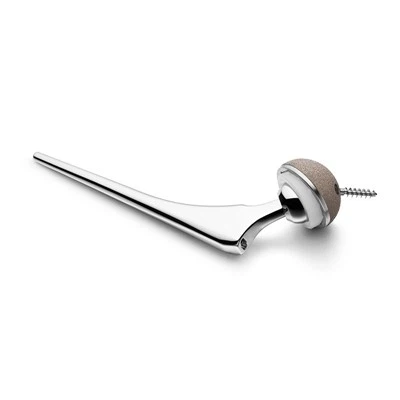
Hey there! As a supplier of knee replacement implants, I've seen firsthand how life - changing these devices can be. But the journey doesn't end with the surgery. The rehabilitation process is a crucial part of getting back to your normal life after a knee replacement. So, let's dive into what that rehabilitation process actually looks like.
Immediate Post - Surgery Phase
Right after the knee replacement surgery, you're gonna be in the hospital for a few days. The first 24 - 48 hours are super important. Nurses and doctors will keep a close eye on your vital signs, like your heart rate, blood pressure, and temperature. They'll also be checking the surgical site for any signs of infection or bleeding.
You'll likely have a catheter in place for the first day or so to help with urination. And there'll be pain management strategies in place. Usually, you'll get pain meds through an IV or a patient - controlled analgesia (PCA) pump. This allows you to control the amount of pain relief you get within a safe limit.
Physical therapy starts really early, sometimes even on the day of surgery. The initial goal is to get your knee moving a little bit. You'll be taught simple exercises like ankle pumps, where you move your ankles up and down to improve blood circulation. This helps prevent blood clots in your legs.
First Week at Home
Once you're home, the real work of rehabilitation begins. You'll have a physical therapist come to your house or you'll go to an outpatient therapy center. In the first week, the focus is on regaining range of motion (ROM). Your therapist will guide you through exercises to bend and straighten your knee.
For example, you might do passive range - of - motion exercises. This means the therapist moves your knee for you. They'll also teach you how to do active exercises, where you use your own muscles to move the knee. You'll need to do these exercises several times a day.
Swelling is also a big issue in the first week. You'll be advised to elevate your leg and use ice packs regularly. Keeping your leg elevated above your heart level helps reduce the swelling. And the ice helps with pain and inflammation.
Second to Fourth Week
As you move into the second to fourth week, you'll start to see more progress. Your range of motion should be getting better, and you'll be able to do more challenging exercises. You might start using a stationary bike. This is a great way to increase the strength and flexibility of your knee.
Weight - bearing is also gradually increased during this time. At first, you might use crutches or a walker, but as your strength improves, you'll be able to put more weight on your new knee. Your therapist will monitor your gait and make sure you're walking properly.
You'll also start working on strengthening exercises. These can include things like leg presses and calf raises. Strengthening the muscles around your knee is important for stability and long - term function.
One to Three Months
By the one - to - three - month mark, you should be able to do most of your daily activities with relative ease. You'll continue with physical therapy, but the focus will shift more towards functional activities. For example, you might start practicing going up and down stairs, getting in and out of a car, or sitting and standing from a chair.
Your surgeon will also schedule follow - up appointments during this time. They'll check the progress of your healing, take X - rays, and make sure everything is going as planned. You can ask any questions you have about your recovery at these appointments.
Three to Six Months
In the three - to - six - month period, you're getting closer to full recovery. You can usually start more intense activities like light jogging or swimming. However, you still need to be careful not to overdo it.
Your knee should be strong and stable by now. The scar tissue will continue to heal and become less noticeable. You'll still need to do some maintenance exercises to keep your knee in good shape.
Six Months and Beyond
After six months, most people are back to their normal lives. But it's important to remember that the recovery is a lifelong process. You need to take care of your new knee. This means maintaining a healthy weight, as extra weight puts more stress on your knee. You should also avoid high - impact activities like running marathons or playing contact sports.
Now, let's talk about the types of knee replacement implants we offer. We have a great High - Flexion Total Knee Replacement Implant that allows for a greater range of motion. This can be really beneficial during the rehabilitation process and for long - term use.
Our Complete Knee Replacements are designed to replace all parts of the knee joint. They're made with high - quality materials that ensure durability and a smooth function.


And if you're looking for a comprehensive solution, our Full Knee Replacement Implants are a great option. They provide excellent stability and support.
If you're in the market for knee replacement implants, we'd love to have a chat with you. Whether you're a hospital, a surgical center, or a distributor, we can provide you with high - quality products and great customer service. Reach out to us to start the procurement process and let's work together to make a difference in patients' lives.
References
- American Academy of Orthopaedic Surgeons. Knee Replacement Surgery.
- Mayo Clinic. Knee Replacement Rehabilitation.
- Journal of Bone and Joint Surgery. Long - term Outcomes of Knee Replacement Implants.