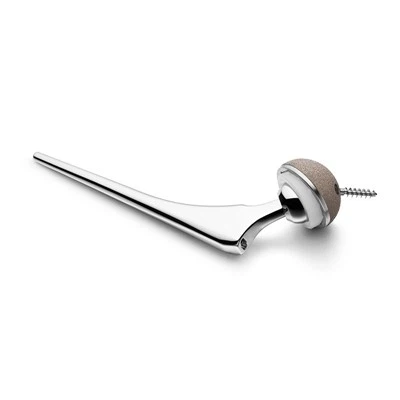
Bone grafting and the use of a Calcaneus Plate are two important aspects in the treatment of calcaneus fractures. The calcaneus, or heel bone, is a critical part of the foot's structure, bearing a significant amount of weight during normal activities. Fractures of the calcaneus can be complex and often require surgical intervention to restore proper function and alignment. In this blog, we will explore the role of bone grafting in conjunction with a Calcaneus Plate, as well as the benefits and considerations of this combined approach.
Understanding Calcaneus Fractures
Calcaneus fractures can occur due to various reasons, such as high - impact trauma like falls from a height or motor vehicle accidents. These fractures can be classified into different types, including intra - articular and extra - articular fractures. Intra - articular fractures involve the subtalar joint, which is crucial for foot movement and stability. Restoring the normal anatomy of the calcaneus in these cases is essential to prevent long - term complications such as arthritis, chronic pain, and gait abnormalities.
The Role of the Calcaneus Plate
A Calcaneus Plate is a surgical implant designed to provide stability and support to the fractured calcaneus. It is typically made of biocompatible materials such as titanium or stainless steel. The plate is contoured to fit the shape of the calcaneus and is fixed to the bone using screws. By holding the fractured bone fragments in place, the Calcaneus Plate helps to maintain proper alignment during the healing process. It also allows for early mobilization of the foot, which can improve the overall outcome of the treatment.
The use of a Dynamic Compression Plate is also an option in some cases. Dynamic compression plates can apply compression forces across the fracture site, promoting bone healing by bringing the bone fragments closer together. However, for calcaneus fractures, a specifically designed Calcaneus Plate is often preferred due to its better fit and biomechanical properties.
The Need for Bone Grafting
Bone grafting is a procedure in which bone tissue is transplanted to the fracture site. There are several reasons why bone grafting may be necessary in conjunction with a Calcaneus Plate.
Filling Bone Defects
In many calcaneus fractures, there may be significant bone loss or bone defects. These defects can occur due to the impact of the injury, which may shatter the bone into multiple fragments. Bone grafting can fill these defects, providing a scaffold for new bone growth. The graft acts as a framework upon which the body's own bone - forming cells can attach and start the process of bone regeneration.
Enhancing Bone Healing
Bone grafts contain living cells, growth factors, and extracellular matrix components that can stimulate the body's natural bone - healing process. Autografts, which are bone grafts taken from the patient's own body (usually from the iliac crest), are considered the gold standard because they are immunologically compatible and contain all the necessary elements for bone healing. Allografts, which are bone grafts obtained from a donor, can also be used. They are readily available and can provide a similar function in filling bone defects and promoting healing.
Restoring Joint Surface
In intra - articular calcaneus fractures, the joint surface may be damaged. Bone grafting can help to restore the normal contour of the joint surface, which is crucial for maintaining the proper function of the subtalar joint. By reconstructing the joint surface, the risk of post - traumatic arthritis can be reduced.
The Combined Approach: Bone Grafting and Calcaneus Plate
When bone grafting is combined with the use of a Calcaneus Plate, several benefits can be achieved.


Improved Stability
The Calcaneus Plate provides immediate stability to the fractured bone, while the bone graft helps to strengthen the bone over time. The combination of the two ensures that the fracture site remains stable during the entire healing process, reducing the risk of displacement of the bone fragments.
Faster Bone Healing
The presence of the bone graft stimulates the growth of new bone, and the stability provided by the plate allows the bone - healing process to occur more efficiently. This can lead to faster union of the fracture and a shorter recovery time for the patient.
Better Functional Outcome
By restoring the normal anatomy of the calcaneus and promoting proper bone healing, the combined approach can result in a better functional outcome. Patients are more likely to regain normal foot function, including pain - free walking and the ability to participate in normal activities.
Considerations in the Combined Treatment
While the combination of bone grafting and a Calcaneus Plate has many advantages, there are also some considerations.
Surgical Complexity
The combined procedure is more complex than using a Calcaneus Plate alone. It requires additional surgical steps for bone graft harvesting (in the case of autografts) and implantation. This increases the surgical time and the risk of complications such as infection, bleeding, and nerve damage.
Donor - Site Morbidity
When using autografts, there is a risk of donor - site morbidity. Harvesting bone from the iliac crest can cause pain, infection, and long - term discomfort at the donor site. Allografts, on the other hand, carry a small risk of disease transmission, although this risk is minimized through strict donor screening and processing procedures.
Cost
The combined treatment is more expensive than using a Calcaneus Plate alone. The cost of bone grafting, whether it is an autograft or an allograft, as well as the additional surgical time and resources, contribute to the overall cost of the treatment.
Other Related Implants
In addition to the Calcaneus Plate, other implants may be used in foot and ankle surgery. For example, the Clavicle Hook Reconstruction Plate is used in clavicle fractures, but its design and function are different from those of a Calcaneus Plate. Each implant is designed for a specific anatomical location and type of fracture, and the choice of implant depends on the individual patient's condition.
Conclusion
The role of bone grafting in conjunction with a Calcaneus Plate is significant in the treatment of calcaneus fractures. The combination of these two techniques can provide better stability, enhance bone healing, and improve the functional outcome for patients. However, it is important to carefully consider the surgical complexity, donor - site morbidity, and cost associated with the combined approach. As a Calcaneus Plate supplier, we understand the importance of providing high - quality implants for these complex procedures. If you are interested in our products or have any questions about the use of Calcaneus Plates in combination with bone grafting, we encourage you to contact us for further discussion and potential procurement opportunities.
References
- Bucholz RW, Heckman JD, Court - Brown CM, et al. Rockwood and Green's Fractures in Adults. 7th ed. Philadelphia, PA: Lippincott Williams & Wilkins; 2010.
- Kitaoka HB, Alexander IJ, Adelaar RS, et al. Guidelines for the treatment of foot and ankle fractures. Rockville, MD: American Academy of Orthopaedic Surgeons; 2005.
- Zwipp H, Schandelmaier P, Krettek C. Calcaneal fractures. Injury. 2003;34(Suppl 2):B2 - 11.