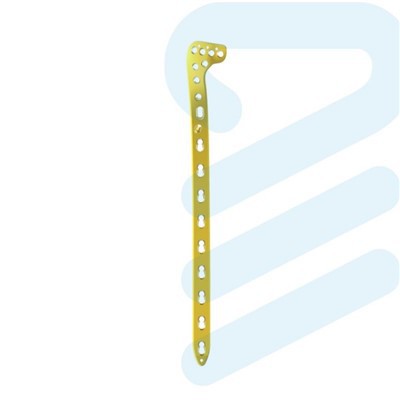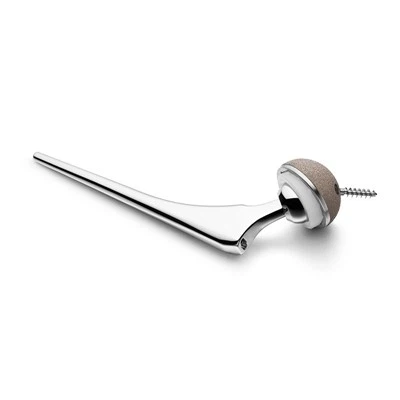
Intramedullary nail surgery is a common orthopedic procedure used to treat fractures in long bones, such as the femur, tibia, and humerus. This surgical technique involves inserting a metal rod into the medullary canal of the bone to stabilize the fracture and promote healing. After intramedullary nail surgery, a comprehensive rehabilitation program is crucial for patients to regain strength, mobility, and function in the affected limb. In this blog, as an intramedullary nail supplier, I will discuss the different types of rehabilitation needed after intramedullary nail surgery.
Immediate Post - operative Phase (0 - 2 Weeks)
Pain Management
Pain is a common concern immediately after intramedullary nail surgery. Doctors usually prescribe pain medications to help patients manage discomfort. Non - pharmacological methods, such as ice therapy, can also be effective. Applying ice packs to the surgical site for 15 - 20 minutes several times a day can reduce swelling and pain.
Wound Care
Proper wound care is essential to prevent infection. The surgical wound should be kept clean and dry. Patients are typically instructed to avoid getting the wound wet until it has healed sufficiently. The medical team will regularly check the wound for signs of infection, such as redness, swelling, or discharge.


Immobilization
In the early post - operative period, the affected limb may be immobilized using a splint or cast. This immobilization helps protect the surgical site and allows the bone to start the healing process. Patients are usually advised to keep the limb elevated to reduce swelling. For example, when resting, the leg can be propped up on pillows so that it is above the level of the heart.
Early Rehabilitation Phase (2 - 6 Weeks)
Range of Motion Exercises
Once the initial pain and swelling have subsided, range of motion (ROM) exercises become an important part of rehabilitation. These exercises help prevent joint stiffness and maintain flexibility. For a patient who has undergone intramedullary nail surgery on the knee, gentle knee bending and straightening exercises may be prescribed. Physical therapists may guide patients through passive ROM exercises, where the therapist moves the joint for the patient, and then progress to active ROM exercises, where the patient moves the joint on their own.
Muscle Strengthening
Even in the early stages, some mild muscle strengthening exercises can be started. Isometric exercises, which involve contracting the muscles without moving the joint, are often recommended. For instance, if the surgery was on the thigh, patients can perform quadriceps sets. To do this, they contract the thigh muscles by pressing the back of the knee into the bed or floor and holding the contraction for a few seconds before relaxing.
Weight - Bearing Progression
The decision to start weight - bearing on the affected limb depends on the type and location of the fracture, as well as the stability of the fixation. In some cases, patients may be allowed to start partial weight - bearing using crutches or a walker. The amount of weight that can be placed on the limb gradually increases over time. Physical therapists will closely monitor the patient's progress and adjust the weight - bearing status as needed.
Intermediate Rehabilitation Phase (6 - 12 Weeks)
Advanced Range of Motion and Strengthening
As the bone continues to heal, more advanced range of motion and strengthening exercises can be introduced. For example, patients may start using resistance bands for muscle strengthening. These bands provide a variable amount of resistance, allowing for progressive strengthening. In addition, more complex ROM exercises, such as circular motions at the joint, can be added to improve joint mobility.
Functional Training
Functional training focuses on activities that are relevant to the patient's daily life. This may include walking on different surfaces, climbing stairs, or getting in and out of a chair. For a patient who has had intramedullary nail surgery on the hip, practicing getting up from a low chair can help improve hip strength and mobility for normal daily activities.
Late Rehabilitation Phase (12 Weeks - 6 Months)
Return to Normal Activities
By this stage, if the bone has healed well, patients may gradually return to normal activities. However, they still need to continue with a maintenance exercise program to ensure long - term joint health and muscle strength. This may include activities such as swimming, cycling, or light jogging, depending on the patient's overall physical condition and the type of surgery.
Sports - Specific Training
For patients who are athletes or participate in sports, sports - specific training can be incorporated into the rehabilitation program. For example, a basketball player who has had intramedullary nail surgery on the ankle may start practicing dribbling and shooting after the doctor has given clearance. This training helps the patient regain the skills and physical abilities required for their sport.
Importance of Our Intramedullary Nails in Rehabilitation
At our company, we supply high - quality intramedullary nails, such as the Intramedullary Nail for Intertrochanteric Hip Fracture, Titanium Intramedullary Nail, and Titanium Femoral Reconstruction Interlocking Nail. These nails are designed to provide strong and stable fixation, which is crucial for a successful rehabilitation process. The proper fixation allows for earlier mobilization and a more effective rehabilitation program. For example, our titanium intramedullary nails are lightweight and biocompatible, reducing the risk of complications and promoting better bone healing.
Contact Us for Purchasing
If you are interested in our intramedullary nails or have any questions about our products, we encourage you to contact us for a purchasing consultation. Our team of experts is ready to provide you with detailed information and support to meet your specific needs.
References
- Miller MD, Thompson SR. DeLee and Drez's Orthopaedic Sports Medicine: Principles and Practice. Elsevier; 2020.
- Browner BD, Jupiter JB, Levine AM, et al. Skeletal Trauma: Basic Science, Management, and Reconstruction. Elsevier; 2019.
- American Academy of Orthopaedic Surgeons. Fracture Rehabilitation Guidelines. Available at the official website of AAOS.