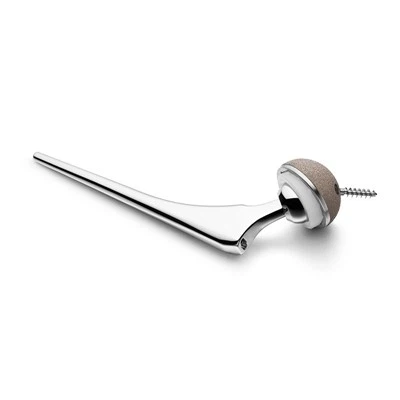
LCP (Locking Compression Plate) systems have become a cornerstone in modern orthopedic trauma surgery. These plates offer a unique combination of locking and non - locking screw holes, enabling stable fixation of fractures. As a trusted LCP plate supplier, we understand the importance of providing plates in a variety of sizes to meet the diverse needs of orthopedic surgeons and patients. In this blog, we will explore the different sizes available for LCP plates.
Standard Sizing Concepts in LCP Plates
The sizing of LCP plates is primarily determined by two key factors: length and width. The length is crucial as it must span a sufficient distance across the fracture site to provide stable fixation. It depends on the type and location of the fracture, as well as the bone's anatomy in that area. The width of the plate affects its strength and the number of screws that can be inserted. A wider plate can accommodate more screws, which may enhance stability, but it also needs to fit the anatomical contours of the bone.
Common Lengths of LCP Plates
- Short - length Plates: These typically range from 3 - 6 holes. Short - length LCP plates are often used for small fractures, such as those in the phalanges or small bones of the hand and foot. They can provide sufficient fixation for simple fractures without being overly bulky. For example, in a metacarpal fracture, a 4 - hole LCP plate can be used to stabilize the bone fragments while minimizing soft - tissue disruption.
- Medium - length Plates: Plates with 7 - 12 holes fall into the medium - length category. These are used for fractures in the long bones of the forearm, like the radius or ulna. A 9 - hole LCP plate, for instance, can span a mid - shaft fracture of the radius, providing adequate support for the bone during the healing process. Medium - length plates strike a balance between stability and the need to avoid excessive hardware, which could potentially cause irritation to the surrounding tissues.
- Long - length Plates: Plates with more than 12 holes are considered long - length. These are used for large fractures, such as those in the femur or tibia. In a comminuted fracture of the femur, a 16 - hole or even longer LCP plate may be necessary to bridge the fracture gap and maintain the alignment of the bone fragments. Long - length plates distribute the load more evenly across the bone, reducing the stress concentration at the fracture site.
Varying Widths of LCP Plates
- Narrow - width Plates: Narrow - width LCP plates are usually used in areas where there is less soft - tissue coverage or where a smaller profile is required. For example, in the dorsal aspect of the hand, a narrow - width plate can be used to fix a metacarpal fracture without causing excessive pressure on the underlying tendons and nerves. Narrow plates typically have a width of around 5 - 8 mm.
- Standard - width Plates: The standard width of LCP plates is commonly between 9 - 12 mm. These are suitable for most long - bone fractures and are designed to provide a good balance of strength and anatomical fit. They can accommodate a sufficient number of screws to ensure stable fixation, while still fitting the general shape of the bone.
- Wide - width Plates: Wide - width LCP plates, with a width of 13 mm or more, are used in situations where maximum strength is required, such as in large, weight - bearing bones like the femur. They can allow for the insertion of more screws, which is beneficial in complex fractures or when dealing with osteoporotic bone.
Specific LCP Plate Types and Their Sizes
- Metaphysis Locking Compression Plate: This type of plate is specifically designed for use in the metaphysis, the area of the bone near the joint. Metaphysis LCP plates come in a variety of sizes to fit different joints and bone sizes. For example, in the knee joint, there are plates available in lengths ranging from 6 - 14 holes, with widths varying from 8 - 12 mm to match the anatomy of the proximal tibia or distal femur.
- Ao Locking Plate: The Ao locking plates follow the principles of the Association for Osteosynthesis (AO) and are widely used in orthopedic surgery. These plates are available in a comprehensive range of sizes. Short - length Ao locking plates can have as few as 3 holes, while long - length plates can have up to 20 holes. The widths also vary depending on the application, from narrow plates for small bones to wide plates for large, load - bearing bones.
- Proximal Lateral Tibial Locking Plate: As the name suggests, this plate is designed for the proximal lateral aspect of the tibia. It comes in sizes that are tailored to the specific anatomy of this area. Lengths typically range from 8 - 16 holes, and the widths are usually between 9 - 13 mm to provide optimal fixation for fractures in this region.
Custom - Sizing Options
In addition to the standard sizes, we also offer custom - sizing services for LCP plates. In some cases, patients may have unique anatomical features or specific fracture patterns that require a plate with non - standard dimensions. Our team of experts can work closely with orthopedic surgeons to design and manufacture custom - sized LCP plates. This ensures a perfect fit for the patient's bone, which can lead to better surgical outcomes and faster recovery times.
Importance of Correct Sizing
Selecting the correct size of LCP plate is of utmost importance in orthopedic surgery. An undersized plate may not provide sufficient stability, leading to malunion or non - union of the fracture. On the other hand, an oversized plate can cause unnecessary soft - tissue irritation, increase the risk of infection, and may even interfere with the normal function of the joint. Therefore, orthopedic surgeons need to carefully consider the size of the plate based on the patient's individual circumstances, including the type and location of the fracture, the patient's bone quality, and the surrounding soft - tissue anatomy.


Conclusion
As a leading LCP plate supplier, we offer a wide range of sizes for our LCP plates to meet the diverse needs of orthopedic surgery. From short, narrow plates for small bones to long, wide plates for large, weight - bearing bones, we have the right product for every case. Our custom - sizing services further ensure that we can provide solutions for even the most complex cases. If you are involved in orthopedic surgery and are interested in procuring high - quality LCP plates, we invite you to engage in a procurement discussion. We are committed to providing you with the best products and services to support your surgical needs.
References
- Kitaoka HB, et al. "AO Principles of Fracture Management." Journal of Bone and Joint Surgery.
- Browner BD, et al. "Skeletal Trauma: Fractures, Dislocations, Ligamentous Injuries." Elsevier.