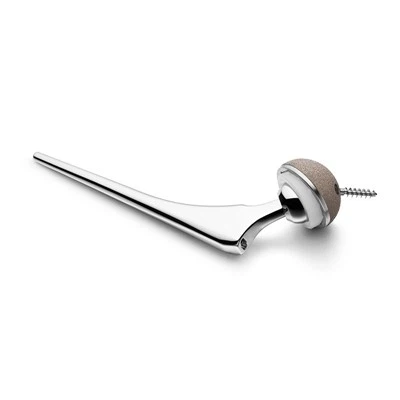
Hey there! I'm a supplier of Dynamic Compression Plates (DCPs), and I've been in this business for quite a while. Over the years, I've seen firsthand how these plates can make a huge difference in treating different types of fractures. So, I thought I'd share some insights on what types of fractures are best treated with Dynamic Compression Plates.
Understanding Dynamic Compression Plates
Before we dive into the specific fractures, let's quickly go over what DCPs are. Dynamic Compression Plates are orthopedic implants used to fix bone fractures. They work by applying compression across the fracture site, which helps promote bone healing. The design of these plates allows for both dynamic and static compression, giving surgeons flexibility in how they treat the fracture. You can learn more about them here.
Fractures Ideal for DCP Treatment
1. Long Bone Fractures
Long bones, like the femur, tibia, and humerus, are commonly fractured due to high - impact injuries such as car accidents or sports injuries. DCPs are great for these types of fractures because they can provide strong fixation. The compression they apply helps keep the bone fragments in place, which is crucial for proper alignment during the healing process.
For example, in a femoral shaft fracture, the large size and strength of the DCP can withstand the forces exerted on the femur during normal movement. The plate can be contoured to fit the shape of the bone, ensuring a snug fit and optimal compression. This not only speeds up the healing time but also reduces the risk of complications like non - union or malunion.
2. Metaphyseal Fractures
Metaphyseal fractures occur at the ends of long bones, near the growth plates in children or the equivalent areas in adults. These fractures can be tricky to treat because the bone structure in the metaphysis is different from the shaft of the bone. DCPs can be customized to fit the unique anatomy of the metaphysis.
The dynamic compression feature of the plate allows for some movement at the fracture site, which can stimulate bone growth. This is especially important in metaphyseal fractures, where the blood supply is often more complex. By promoting bone growth, DCPs can help ensure a more successful outcome for these types of fractures.
3. Comminuted Fractures
Comminuted fractures are those where the bone is broken into multiple fragments. These fractures are challenging to treat because it's difficult to hold all the fragments together. DCPs can be used in combination with other fixation methods, such as screws or wires, to stabilize the fracture.
The compression provided by the DCP helps to reduce the gap between the bone fragments, which is essential for bone healing. Additionally, the plate can act as a scaffold, providing support for the bone as it heals. This is particularly useful in comminuted fractures of the tibia, where the soft tissue around the bone may also be damaged.
4. Fractures Requiring Rigid Fixation
Some fractures need rigid fixation to prevent movement at the fracture site. For example, fractures in the weight - bearing bones like the calcaneus (heel bone) often require a high level of stability. Calcaneus Plates are a type of DCP that are specifically designed for this purpose.
The calcaneus plate is contoured to fit the shape of the heel bone and can provide strong fixation. This helps to maintain the normal shape and function of the heel, which is important for walking and other weight - bearing activities. Rigid fixation with a DCP can also reduce pain and swelling, allowing patients to start rehabilitation earlier.
5. Clavicle Fractures
Clavicle fractures are common, especially in children and athletes. Clavicle Hook Reconstruction Plates are a specialized type of DCP for treating these fractures. The hook design of the plate allows for better fixation at the acromioclavicular joint, which is often involved in clavicle fractures.
These plates can provide both compression and stability, helping to align the fractured clavicle and promote healing. They are also less invasive than some other treatment options, which means a shorter recovery time for the patient.
Advantages of Using DCPs
One of the main advantages of using DCPs is their versatility. They can be used in a wide range of fractures, as we've seen above. Surgeons can choose the appropriate size and shape of the plate based on the specific fracture and the patient's anatomy.


Another advantage is the compression feature. By applying compression across the fracture site, DCPs can enhance bone healing. This compression helps to increase blood flow to the area, which brings in the necessary nutrients and cells for bone repair.
DCPs are also made from high - quality materials, such as titanium or stainless steel. These materials are biocompatible, which means they are well - tolerated by the body and have a low risk of causing an allergic reaction.
Considerations When Using DCPs
While DCPs are a great option for many fractures, there are some considerations. The surgery to implant a DCP is an invasive procedure, which means there is a risk of infection. Surgeons need to take proper precautions to minimize this risk, such as using sterile techniques and prescribing antibiotics.
The cost of DCPs can also be a factor. However, when you consider the long - term benefits, such as reduced healing time and fewer complications, the investment can be well worth it.
Conclusion
In conclusion, Dynamic Compression Plates are an excellent choice for treating a variety of fractures, including long bone fractures, metaphyseal fractures, comminuted fractures, fractures requiring rigid fixation, and clavicle fractures. Their versatility, compression feature, and high - quality materials make them a popular choice among surgeons.
If you're in the medical field and are interested in learning more about our Dynamic Compression Plates or discussing potential purchases, I'd love to have a chat. We can talk about the specific needs of your patients and how our products can help. Feel free to reach out and start a conversation about procurement.
References
- Bucholz RW, Heckman JD, Court - Brown CM, Tornetta P III. Rockwood and Green's Fractures in Adults. 8th ed. Philadelphia: Lippincott Williams & Wilkins; 2015.
- Browner BD, Jupiter JB, Levine AM, Trafton PG. Skeletal Trauma: Basic Science, Management, and Reconstruction. 5th ed. Philadelphia: Elsevier; 2018.