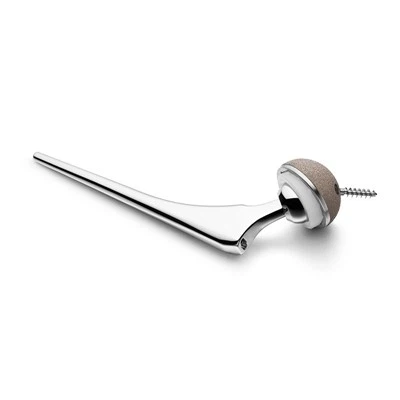
When it comes to hip replacement surgery, doctors have a variety of options at their disposal. Among these, cemented hip replacement is a well - established technique that continues to be a preferred choice for many medical professionals. As a supplier of cemented hip replacement products, I have had the opportunity to interact with numerous doctors and understand the reasons behind their preference for this method.
1. Immediate Stability
One of the primary reasons a doctor might choose a cemented hip replacement is the immediate stability it provides. In a cemented hip replacement, bone cement is used to fix the prosthetic components to the bone. This creates an instant bond, allowing the patient to bear weight on the new hip joint soon after surgery.
Unlike Latest Cementless Hip Replacement Implant, where the prosthetic components rely on bone ingrowth over time to achieve stability, a cemented hip replacement offers stability from the moment of implantation. This is particularly beneficial for older patients or those with poor bone quality. Older patients often have osteoporosis, a condition that weakens the bones. In such cases, the immediate fixation provided by the cement helps to prevent the loosening of the implant and reduces the risk of early failure.
2. Predictable Results
Cemented hip replacement has a long - standing track record of predictable results. Surgeons have been performing this procedure for decades, and the techniques and materials have been refined over time. The use of bone cement creates a reliable interface between the implant and the bone, which can be accurately controlled during surgery.
Doctors can precisely position the prosthetic components, knowing that the cement will hold them in place. This predictability is crucial in achieving optimal joint function and alignment. In contrast, cementless implants rely on the body's natural ability to grow bone onto the implant surface. While this can be successful in many cases, the process of bone ingrowth is more variable and can be affected by factors such as the patient's overall health, the quality of the bone, and the surgical technique.
3. Suitable for Revision Surgery
Revision hip replacement surgery, which is performed when a previous hip replacement fails, is a complex procedure. Cemented hip replacement can be a favorable option in revision cases. When an implant needs to be replaced, the use of cement can help to fill in any gaps or defects in the bone that may have occurred due to the previous surgery or the loosening of the original implant.
The cement can also provide a stable foundation for the new implant, even in situations where the bone quality is compromised. This is in contrast to cementless implants, which may face challenges in achieving adequate fixation in a previously operated hip joint. Surgeons can use SS Cemented Hip Replacement in revision surgeries to address these issues and improve the chances of a successful outcome.
4. Cost - Effectiveness
Cost is an important consideration in healthcare, both for patients and healthcare providers. Cemented hip replacement is generally more cost - effective compared to some other hip replacement options. The materials used in cemented implants, including the bone cement, are relatively inexpensive. This can result in lower overall costs for the patient and the healthcare system.
For patients who do not have access to comprehensive insurance coverage or for healthcare facilities with limited budgets, the cost - effectiveness of cemented hip replacement makes it an attractive option. Additionally, the shorter hospital stay associated with the immediate stability of cemented implants can also contribute to cost savings, as it reduces the need for extended post - operative care.

5. Customization
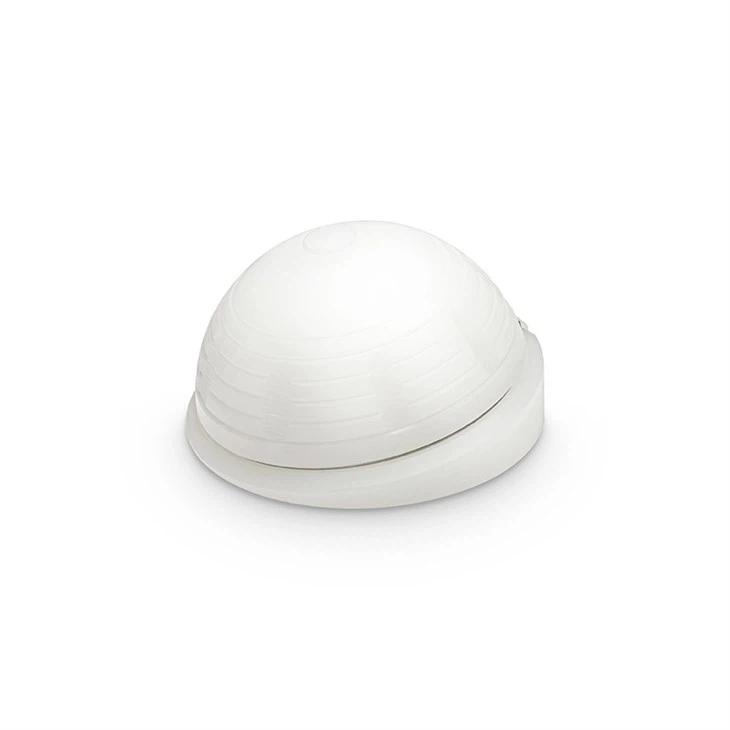
Cemented hip replacement allows for a certain degree of customization during surgery. Surgeons can adjust the amount and distribution of the bone cement to fit the specific needs of the patient's bone structure. This flexibility is particularly useful when dealing with patients who have anatomical variations or complex joint conditions.
For example, in cases where the bone has an irregular shape or there are small fractures, the surgeon can use the cement to create a more stable and customized fit for the implant. This level of customization is not always as easily achievable with cementless implants, which often come in pre - determined sizes and shapes.
6. Experience and Familiarity
Many surgeons have extensive experience with cemented hip replacement. Over the years, they have developed a high level of skill and confidence in performing this procedure. This experience translates into better surgical outcomes, as the surgeon is familiar with the techniques, potential complications, and how to address them.
Surgeons who have been trained in cemented hip replacement are more likely to choose this option because they are comfortable with the procedure and have a proven track record of success. The familiarity with the materials and the surgical process also allows for more efficient surgeries, reducing the operating time and minimizing the risk of intra - operative complications.
Conclusion
In conclusion, there are several compelling reasons why a doctor might choose a cemented hip replacement over other options. The immediate stability, predictable results, suitability for revision surgery, cost - effectiveness, customization, and the surgeon's experience and familiarity all play important roles in this decision.
As a supplier of Hip Replacement Implant, we are committed to providing high - quality cemented hip replacement products that meet the needs of both surgeons and patients. If you are interested in learning more about our cemented hip replacement solutions or would like to engage in a procurement discussion, we encourage you to reach out. Our team of experts is ready to assist you in finding the best products for your specific requirements.
References
- Callaghan, J. J., & Rosenberg, A. G. (2017). The adult hip. Lippincott Williams & Wilkins.
- Mont, M. A., & Hungerford, D. S. (2017). Hip arthroplasty. Saunders.
- Jacobs, J. J., & Gilbert, J. L. (2018). Wear of total joint replacements. Springer.