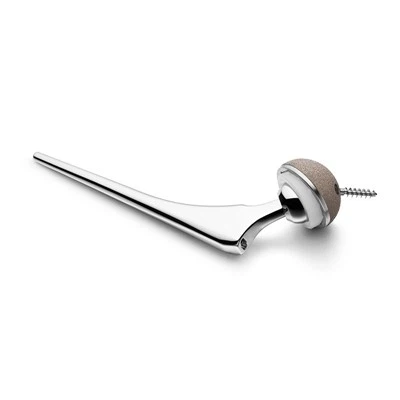
As a supplier of DCP plates, I often encounter questions from customers regarding the compatibility of DCP plates with different fluids. This topic is crucial as it directly impacts the performance and longevity of the plates in various medical applications. In this blog, I will delve into the scientific aspects of this issue and provide insights based on my experience in the industry.
Understanding DCP Plates
Before discussing compatibility with fluids, it's essential to understand what DCP plates are. A Dynamic Compression Plate is a type of orthopedic implant used in the treatment of bone fractures. It is designed to provide stable fixation and promote bone healing by applying dynamic compression to the fractured bone segments. DCP plates are typically made of high - quality materials such as titanium or stainless steel, which offer excellent mechanical properties and biocompatibility.
Types of Fluids in the Body and Their Interaction with DCP Plates
In the human body, there are several types of fluids that DCP plates may come into contact with. These include blood, synovial fluid, and interstitial fluid.
Blood
Blood is a complex fluid that contains various components such as red blood cells, white blood cells, platelets, and plasma proteins. When a DCP plate is implanted, it immediately comes into contact with blood. The surface of the DCP plate can trigger a series of biological responses. For example, platelets may adhere to the plate surface, initiating the coagulation cascade. This can lead to the formation of a blood clot around the plate, which is a normal part of the body's initial response to foreign objects.
In terms of chemical compatibility, the metals used in DCP plates are generally resistant to corrosion in the presence of blood. Titanium, for instance, forms a thin oxide layer on its surface, which acts as a protective barrier against the corrosive effects of blood components. Stainless steel DCP plates also have good corrosion resistance, but they may be more susceptible to corrosion in certain conditions, such as when there is a breakdown of the passive oxide layer.
Synovial Fluid
Synovial fluid is found in the joints and serves as a lubricant and shock absorber. When a DCP plate is used in a joint - related fracture, it may come into contact with synovial fluid. Synovial fluid contains hyaluronic acid, proteins, and various enzymes. The lubricating properties of synovial fluid can potentially reduce the friction between the DCP plate and the surrounding tissues.
However, the enzymes present in synovial fluid, such as proteases, may have an impact on the long - term stability of the DCP plate. These enzymes can break down proteins and other organic materials, and in some cases, they may also affect the surface properties of the plate. For example, if the plate surface coating is made of a protein - based material, it may be degraded by the proteases in synovial fluid.
Interstitial Fluid
Interstitial fluid is the fluid that surrounds the cells in the tissues. It contains nutrients, waste products, and signaling molecules. DCP plates in the bone tissue are in close contact with interstitial fluid. The composition of interstitial fluid can vary depending on the metabolic activity of the surrounding cells.
The pH and ionic composition of interstitial fluid can influence the corrosion behavior of DCP plates. For example, an acidic environment may accelerate the corrosion of stainless steel DCP plates. However, the body has a complex buffering system that helps maintain a relatively stable pH in the interstitial fluid, which reduces the risk of excessive corrosion.
Compatibility with External Fluids
In addition to the body's internal fluids, DCP plates may also come into contact with external fluids during the manufacturing, sterilization, and storage processes.
Sterilization Fluids
Sterilization is a critical step in the preparation of DCP plates for implantation. Common sterilization methods include steam sterilization, ethylene oxide sterilization, and gamma irradiation. Some sterilization processes may involve the use of fluids, such as in the case of chemical sterilization agents.
Most DCP plates are designed to withstand the sterilization process without significant damage. However, certain sterilization fluids may have a minor impact on the surface properties of the plates. For example, some chemical sterilization agents may leave a residue on the plate surface, which could potentially affect its biocompatibility. It is essential to follow the manufacturer's instructions regarding sterilization to ensure the optimal performance of the DCP plates.
Cleaning Fluids
During the manufacturing and pre - implantation stages, DCP plates need to be cleaned to remove any contaminants. Cleaning fluids can range from simple water - based solutions to more complex detergents. The choice of cleaning fluid depends on the type of contaminants and the material of the DCP plate.
For titanium DCP plates, mild cleaning agents are usually sufficient as titanium is relatively inert. Stainless steel plates may require more careful selection of cleaning fluids to avoid corrosion. Harsh chemicals or abrasive cleaning agents should be avoided as they can damage the surface of the plate and compromise its integrity.


Impact of Fluid Compatibility on DCP Plate Performance
The compatibility of DCP plates with different fluids has a significant impact on their performance.
Mechanical Performance
Corrosion caused by incompatible fluids can weaken the mechanical properties of the DCP plate. For example, if a stainless steel plate corrodes, it may lose its strength and stiffness, which can lead to plate failure. This can result in the loss of fixation of the fractured bone segments and may require additional surgical intervention.
Biocompatibility
Fluid compatibility is also closely related to the biocompatibility of DCP plates. If a plate is not compatible with the body's fluids, it can trigger an immune response, leading to inflammation and tissue damage. This can delay the bone healing process and increase the risk of infection.
Other Related DCP Plate Products
In addition to the standard Dynamic Compression Plate, our company also offers other related products such as the Clavicle Hook Reconstruction Plate and the Calcaneus Plate. These plates also need to be compatible with different fluids in the body to ensure their proper function.
The Clavicle Hook Reconstruction Plate is used in the treatment of clavicle fractures. It is designed to provide stable fixation and support to the clavicle bone. Similar to the DCP plate, it may come into contact with blood, synovial fluid, and interstitial fluid, and its compatibility with these fluids is crucial for its performance.
The Calcaneus Plate is used for fractures of the calcaneus bone in the foot. It is exposed to the unique fluid environment in the foot, which includes interstitial fluid and synovial fluid from the nearby joints. Ensuring its compatibility with these fluids is essential for successful bone healing.
Conclusion
In conclusion, the compatibility of DCP plates with different fluids is a complex but crucial aspect of their design and application. Whether it is the body's internal fluids or external fluids used in manufacturing and sterilization, each type of fluid can have an impact on the performance and longevity of the DCP plates.
As a DCP plate supplier, we are committed to ensuring that our products are highly compatible with various fluids. We conduct extensive research and testing to optimize the material selection and surface treatment of our plates to enhance their fluid compatibility.
If you are interested in our DCP plates, Clavicle Hook Reconstruction Plate, or Calcaneus Plate, please feel free to contact us for more information and to discuss your procurement needs. We look forward to working with you to provide high - quality orthopedic implants.
References
- "Biomaterials Science: An Introduction to Materials in Medicine" by Buddy D. Ratner, Allan S. Hoffman, Frederick J. Schoen, and Jack E. Lemons.
- "Orthopaedic Basic Science: Biology and Biomechanics of the Musculoskeletal System" edited by Richard F. Kaplan, et al.
- Journal articles on orthopedic implant materials and their interaction with body fluids.