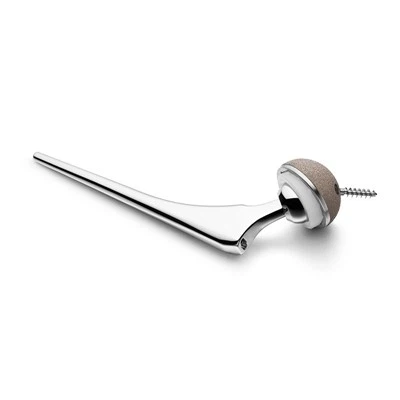
When it comes to hip replacement surgeries, the choice of implant material plays a crucial role in the success and long - term outcome of the procedure. Among the various materials available, ceramic hip replacement implants have gained significant popularity in recent years. As a Hip Replacement Implant supplier, I am well - versed in the advantages that ceramic implants bring to the table, and I am excited to share these benefits with you.
1. Exceptional Wear Resistance
One of the most significant advantages of ceramic hip replacement implants is their outstanding wear resistance. Ceramics, such as alumina or zirconia, are extremely hard materials. In a hip joint, the implant components experience a great deal of friction and wear during normal movement, like walking, sitting, and standing. Traditional metal - on - polyethylene implants can generate wear particles over time, which may lead to inflammation, bone loss, and ultimately, implant loosening.
Ceramic - on - ceramic implants, on the other hand, have a much lower wear rate. Studies have shown that the wear of ceramic components is up to 100 times less than that of metal - on - polyethylene implants. This reduced wear means that there are fewer particles released into the surrounding tissues, minimizing the risk of adverse reactions and extending the lifespan of the implant. For patients, this translates into a longer - lasting hip replacement, potentially reducing the need for revision surgeries in the future.
2. Biocompatibility
Ceramics are highly biocompatible materials, which means they are well - tolerated by the human body. Unlike some metals that may cause allergic reactions or release metal ions into the bloodstream, ceramics do not trigger such immune responses. When a hip replacement implant is inserted into the body, the body's immune system can recognize foreign materials. With ceramic implants, the risk of an immune - mediated reaction is significantly reduced.
This biocompatibility also promotes better integration of the implant with the surrounding bone. The body is more likely to accept the ceramic implant, and bone cells can adhere to the surface of the implant more readily. This can lead to better stability of the implant over time, as the bone grows around and supports the implant, creating a more natural and functional hip joint.
3. Low Friction Coefficient
Ceramic materials have a very low friction coefficient. In a hip joint, friction can cause pain, limit movement, and contribute to the wear of the implant components. The low friction of ceramic - on - ceramic implants allows for smoother movement of the hip joint. Patients often report improved mobility and reduced pain after receiving a ceramic hip replacement.
This smooth movement also mimics the natural function of the hip joint more closely. It enables patients to perform daily activities with greater ease, such as walking, climbing stairs, and bending. The reduced friction also means less energy is wasted during movement, which can enhance the overall efficiency of the hip joint and improve the patient's quality of life.
4. Aesthetic Appeal
In some cases, the aesthetic aspect of a hip replacement implant can be important. Ceramic implants have a smooth and clean appearance. Although the implant is inside the body, for patients who are concerned about the overall look and feel of their hip replacement, the aesthetic qualities of ceramic can be a positive factor. Additionally, the white color of ceramic implants can be more visually appealing compared to some metal implants.
5. Durability
Ceramic hip replacement implants are known for their durability. They can withstand high loads and stresses without significant deformation. In a hip joint, the implant has to support the weight of the body and the forces generated during movement. Ceramic implants are designed to handle these mechanical demands over an extended period.
The high strength and durability of ceramics make them suitable for a wide range of patients, including younger and more active individuals. For patients who want to maintain an active lifestyle after hip replacement surgery, ceramic implants can provide the reliability they need. Whether it's participating in light sports or simply going about daily activities, the durability of ceramic implants ensures that the hip joint can function properly for many years.
6. Reduced Noise
Another advantage of ceramic - on - ceramic hip replacement implants is the reduced noise during movement. Metal - on - metal implants can sometimes produce clicking or squeaking sounds, which can be a source of discomfort and embarrassment for patients. Ceramic implants, due to their smooth surface and low friction, generate less noise.
This quiet operation of the hip joint allows patients to move without the distraction of unwanted sounds. It can also contribute to a more normal and natural - feeling hip joint, enhancing the patient's overall experience and confidence in their hip replacement.
Types of Ceramic Hip Replacement Implants
As a Hip Replacement Implant supplier, we offer a variety of ceramic hip replacement implants to meet the different needs of patients. One of our popular products is the Cementless Hip Replacement Implant. This type of implant does not require bone cement for fixation. Instead, it relies on the natural growth of bone into the porous surface of the implant for stability. The use of ceramic in a cementless design combines the advantages of ceramic materials with the benefits of a cementless fixation method, such as faster recovery and better long - term bone preservation.
We also provide SS Cemented Hip Replacement. This implant uses bone cement to secure the implant in place. The ceramic components in this implant offer the wear resistance and biocompatibility advantages, while the cemented fixation provides immediate stability.


If you are interested in learning more about our full range of Hip Replacement Implant products, please feel free to explore our website or contact us for more information.
Conclusion
In conclusion, ceramic hip replacement implants offer numerous advantages, including exceptional wear resistance, biocompatibility, low friction, aesthetic appeal, durability, and reduced noise. These benefits make ceramic implants an excellent choice for patients undergoing hip replacement surgery. As a Hip Replacement Implant supplier, we are committed to providing high - quality ceramic implants that can improve the lives of patients.
If you are a medical professional or a patient considering hip replacement surgery, we invite you to contact us to discuss our ceramic hip replacement implant options. Our team of experts can provide you with detailed information about the products, their features, and how they can meet your specific needs. We look forward to the opportunity to engage in a procurement discussion with you.
References
- "Biomechanics and Tribology of Hip Joint Replacements" by J. Fisher and A. Ingham.
- "Ceramic Materials in Orthopaedic Surgery" by M. Piconi and G. Maccauro.
- Clinical studies on the wear and performance of ceramic hip replacement implants published in orthopaedic journals.