

The metacarpal bones, located in the hand between the wrist and the fingers, are crucial for hand function. Metacarpal fractures are relatively common, often resulting from trauma such as falls, sports injuries, or direct blows. Surgical intervention is frequently required to ensure proper alignment and healing, especially in cases of displaced or unstable fractures. Over the years, various surgical techniques and implants have been developed to address these fractures, including the L Shape Metacarpal Plate. As a supplier of the L Shape Metacarpal Plate, I am often asked whether this plate can be used in patients with a previous metacarpal surgery. In this blog, we will explore this question in detail.
Understanding the L Shape Metacarpal Plate
The L Shape Metacarpal Plate is a specialized orthopedic implant designed to provide stable fixation for metacarpal fractures. Its unique L-shaped design allows for optimal placement on the metacarpal bone, providing support and stability during the healing process. The plate is typically made of high-quality materials such as titanium or stainless steel, which are biocompatible and have excellent mechanical properties.
The L Shape Metacarpal Plate offers several advantages over traditional fixation methods. Firstly, it provides rigid fixation, which helps to maintain the alignment of the fractured bone and reduces the risk of malunion or nonunion. Secondly, the plate allows for early mobilization of the hand, which can improve functional outcomes and reduce the risk of complications such as joint stiffness and muscle atrophy. Finally, the L Shape Metacarpal Plate is relatively easy to implant, which can reduce the surgical time and minimize the risk of surgical complications.
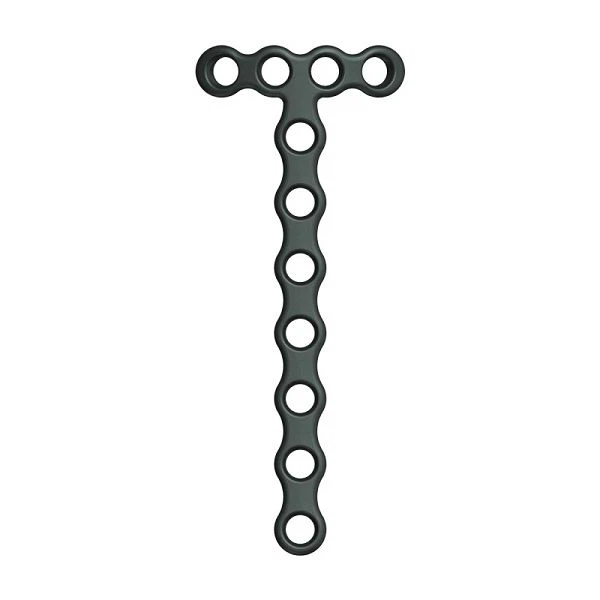

Considerations for Using the L Shape Metacarpal Plate in Patients with Previous Metacarpal Surgery
When considering using the L Shape Metacarpal Plate in patients with a previous metacarpal surgery, several factors need to be taken into account. These factors include the type of previous surgery, the time elapsed since the previous surgery, the presence of any complications from the previous surgery, and the overall condition of the patient.
Type of Previous Surgery
The type of previous metacarpal surgery can have a significant impact on the suitability of the L Shape Metacarpal Plate. For example, if the previous surgery involved the use of a plate or screw fixation, the presence of these implants may need to be considered. In some cases, the existing implants may need to be removed before the L Shape Metacarpal Plate can be implanted. This is because the presence of multiple implants can increase the risk of infection, hardware failure, and other complications.
On the other hand, if the previous surgery was a simple closed reduction and casting, the use of the L Shape Metacarpal Plate may be more straightforward. In these cases, the bone may be in a better condition and more amenable to plate fixation.
Time Elapsed Since the Previous Surgery
The time elapsed since the previous metacarpal surgery is another important consideration. If the previous surgery was recent, the bone may still be in the healing phase, and the use of the L Shape Metacarpal Plate may need to be delayed. This is because the presence of a new implant may interfere with the healing process and increase the risk of complications.
In general, it is recommended to wait at least 6 to 12 weeks after the previous surgery before considering the use of the L Shape Metacarpal Plate. However, this may vary depending on the individual patient and the type of previous surgery.
Complications from the Previous Surgery
The presence of any complications from the previous metacarpal surgery can also affect the suitability of the L Shape Metacarpal Plate. For example, if the previous surgery was complicated by infection, the use of the L Shape Metacarpal Plate may need to be postponed until the infection has been fully treated. Similarly, if the previous surgery resulted in nerve or tendon damage, the use of the L Shape Metacarpal Plate may need to be carefully considered to avoid further damage.
Overall Condition of the Patient
The overall condition of the patient is also an important factor to consider. Patients with underlying medical conditions such as diabetes, osteoporosis, or immune system disorders may be at a higher risk of complications after surgery. In these cases, the use of the L Shape Metacarpal Plate may need to be carefully weighed against the potential benefits and risks.
Case Studies
To illustrate the considerations for using the L Shape Metacarpal Plate in patients with previous metacarpal surgery, let's consider a few case studies.
Case Study 1: Patient with Previous Plate Fixation
A 35-year-old male presented with a displaced metacarpal fracture in his right hand. He had a history of a previous metacarpal fracture in the same hand, which was treated with plate fixation 2 years ago. The patient reported that the previous surgery was uneventful, and he had regained full function of his hand.
On examination, the patient had a displaced fracture of the fourth metacarpal bone. X-rays showed that the previous plate was still in place and appeared to be well-positioned. After careful consideration, it was decided to remove the previous plate and implant the L Shape Metacarpal Plate. The surgery was successful, and the patient had an uneventful recovery.
Case Study 2: Patient with Previous Closed Reduction and Casting
A 25-year-old female presented with a non-displaced metacarpal fracture in her left hand. She had a history of a previous metacarpal fracture in the same hand, which was treated with closed reduction and casting 6 months ago. The patient reported that the previous fracture had healed well, and she had no residual pain or functional limitations.
On examination, the patient had a non-displaced fracture of the second metacarpal bone. X-rays showed that the bone was in good condition. After discussion with the patient, it was decided to implant the L Shape Metacarpal Plate to provide additional stability during the healing process. The surgery was successful, and the patient had an excellent recovery.
Conclusion
In conclusion, the use of the L Shape Metacarpal Plate in patients with a previous metacarpal surgery can be a viable option, but it requires careful consideration of several factors. The type of previous surgery, the time elapsed since the previous surgery, the presence of any complications from the previous surgery, and the overall condition of the patient all need to be taken into account.
As a supplier of the L Shape Metacarpal Plate, we understand the importance of providing high-quality products and supporting our customers with the latest scientific knowledge. Our L Shape Metacarpal Plate is designed to meet the highest standards of quality and performance, and we are committed to providing our customers with the best possible solutions for metacarpal fracture fixation.
If you are a healthcare professional interested in learning more about our L Shape Metacarpal Plate or other orthopedic implants, such as the 1.5 mm Condylar Locking Plate, T Shape Metacarpal Plate, or T Shape Maxillofacial Plate, please do not hesitate to contact us. We would be happy to discuss your specific needs and provide you with more information about our products.
References
- Jupiter JB, Ring D. Fractures of the hand and wrist. In: Rockwood and Green's Fractures in Adults. 7th ed. Philadelphia, PA: Lippincott Williams & Wilkins; 2010:1353-1438.
- Fernandez DL. Fractures of the metacarpals and phalanges. In: Operative Fracture Treatment. 3rd ed. New York, NY: Thieme; 2007:339-360.
- McQueen MM, Caspers E. Management of metacarpal fractures. J Bone Joint Surg Br. 2003;85(4):483-491.






