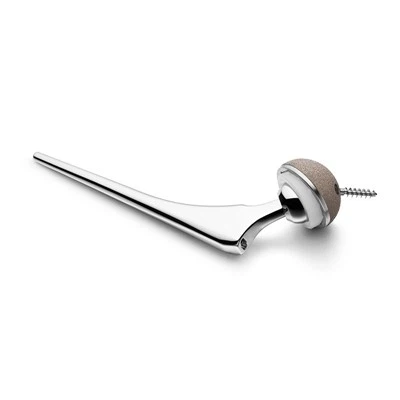
Can a DCP Plate be Used in the Plastic Industry?
As a supplier of DCP plates, I've often been asked about the potential applications of these plates beyond their traditional use in the medical field. One question that frequently arises is whether a DCP plate can be used in the plastic industry. In this blog post, we'll explore this topic in depth, examining the properties of DCP plates, the requirements of the plastic industry, and the feasibility of using DCP plates in this context.
Understanding DCP Plates
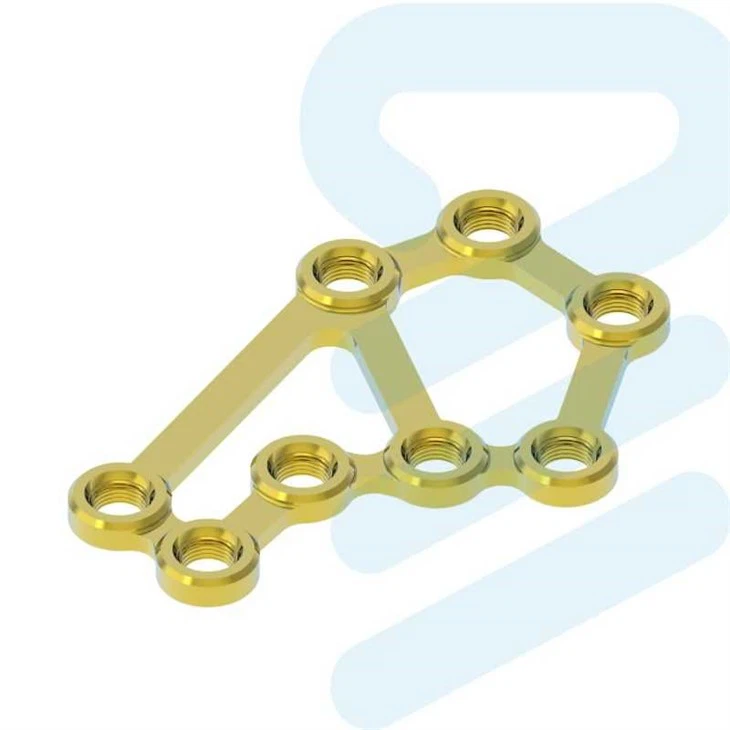
First, let's clarify what a DCP plate is. A DCP, or Dynamic Compression Plate, is a type of orthopedic implant commonly used in the medical field to treat fractures. These plates are designed to provide stability and support to broken bones, allowing them to heal properly. DCP plates are typically made from high - quality materials such as stainless steel or titanium, which offer excellent strength, corrosion resistance, and biocompatibility.
The Dynamic Compression Plate has a unique design that allows for dynamic compression of the bone fragments. This compression helps to promote bone healing by bringing the fractured ends together and providing a stable environment for new bone growth. There are also different types of DCP plates, such as the Calcaneus Plate, which is specifically designed for fractures of the calcaneus bone, and the Clavicle Hook Reconstruction Plate, used for clavicle fractures.
Requirements of the Plastic Industry
The plastic industry has a wide range of applications, including injection molding, extrusion, blow molding, and thermoforming. The materials used in these processes need to meet specific requirements. For example, in injection molding, the mold components must be able to withstand high pressures and temperatures. They need to have good dimensional stability to ensure the accuracy of the plastic parts being produced.

Corrosion resistance is also crucial, especially when dealing with certain types of plastics that may release corrosive by - products during processing. In addition, the surface finish of the mold components can affect the quality of the final plastic product. A smooth surface finish can result in a better - looking and more functional plastic part.
Feasibility of Using DCP Plates in the Plastic Industry
Material Properties
The materials used to make DCP plates, such as stainless steel and titanium, have several properties that could potentially make them suitable for the plastic industry. Stainless steel is known for its high strength and excellent corrosion resistance. It can withstand the high pressures and temperatures involved in plastic processing, especially in injection molding and extrusion. Titanium, on the other hand, is lightweight yet strong, and it also has good corrosion resistance.
However, the biocompatibility of these materials, which is a crucial feature in the medical field, may not be as relevant in the plastic industry. Instead, the focus is more on mechanical properties, thermal conductivity, and surface finish.
Design Considerations
The design of DCP plates is optimized for bone fracture treatment, which means they have holes and contours that are specific to their medical applications. In the plastic industry, the design requirements are different. Mold components need to have precise shapes and dimensions to match the design of the plastic parts. While it may be possible to modify the design of DCP plates to fit the needs of the plastic industry, this would require additional manufacturing processes and costs.
Cost - Benefit Analysis
One of the main factors to consider when evaluating the use of DCP plates in the plastic industry is the cost - benefit ratio. DCP plates are typically manufactured to meet strict medical standards, which can make them relatively expensive. In the plastic industry, cost is often a significant consideration, especially for high - volume production.
If the DCP plates can be used without extensive modification and can provide a long service life in the plastic processing equipment, they may offer a cost - effective solution. However, if significant modifications are required, the cost may outweigh the benefits.
Potential Applications in the Plastic Industry
Despite the challenges, there are some potential applications where DCP plates could be used in the plastic industry.
Tooling Inserts
DCP plates could potentially be used as tooling inserts in plastic molds. For example, in injection molding, inserts are used to create complex features or to provide wear resistance in high - stress areas of the mold. The high strength and corrosion resistance of DCP plates make them a good candidate for such applications.
Jigs and Fixtures
In the plastic manufacturing process, jigs and fixtures are used to hold and position plastic parts during processing. DCP plates could be used to fabricate these jigs and fixtures due to their strength and dimensional stability.
Conclusion
In conclusion, while there are challenges associated with using DCP plates in the plastic industry, there are also some potential applications. The material properties of DCP plates, such as high strength and corrosion resistance, make them a viable option in certain situations. However, design modifications and cost - benefit analysis are necessary considerations.
If you're in the plastic industry and are interested in exploring the use of DCP plates for your applications, I encourage you to reach out to discuss further. We can provide more detailed information about our DCP plates, discuss potential modifications, and help you determine if they are a good fit for your needs. Don't hesitate to contact us to start a procurement discussion.
References
- Smith, J. (2018). Orthopedic Implants: Design and Materials. Elsevier.
- Brown, R. (2019). Plastic Processing Technologies. Wiley.