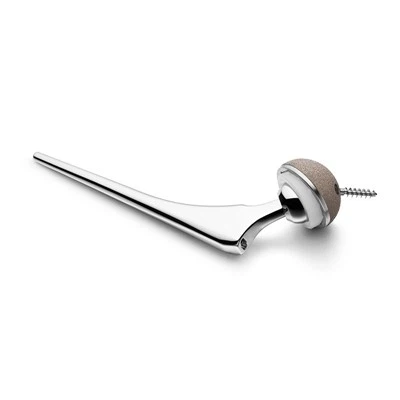
When it comes to hip replacement implants, one question that often arises is how they perform in cold weather. As a supplier of high - quality hip replacement implants, I've delved deep into this topic to provide you with a comprehensive understanding.
The Physiological Response to Cold Weather
Cold weather can cause the body to undergo several physiological changes. Blood vessels in the extremities constrict to conserve heat, which is a natural survival mechanism. This vasoconstriction can reduce blood flow to the joints, including the hip joint. For patients with hip replacement implants, this reduction in blood flow might lead to a decrease in the supply of oxygen and nutrients to the tissues surrounding the implant.
The muscles around the hip joint also tend to become stiffer in cold weather. Muscle stiffness can affect the range of motion and the overall functionality of the hip joint. Patients may experience more difficulty in moving their hips smoothly, and they might feel a sense of tightness or discomfort. This stiffness can also put additional stress on the hip replacement implant as the muscles are not as flexible as they are in warmer conditions.
Impact on Hip Replacement Implants
The materials used in hip replacement implants are designed to be durable and biocompatible. However, extreme cold can potentially have an impact on their performance. For example, some metals may experience a slight change in their mechanical properties in cold temperatures. Although modern hip replacement implants are made from high - grade materials that are engineered to withstand a wide range of environmental conditions, the coefficient of thermal expansion can cause minor dimensional changes.
In the case of SS Cemented Hip Replacement, the cement used to fix the implant in place might be affected by cold weather. The cement can become more brittle, which could potentially lead to micro - fractures over time. These micro - fractures may compromise the stability of the implant and increase the risk of loosening.
For Hip Replacement Implant in general, the interface between the implant and the bone can be influenced by the cold. The reduced blood flow due to vasoconstriction can slow down the healing process in patients who have recently undergone hip replacement surgery. In long - term cases, it may also affect the bone remodeling around the implant, which is crucial for the long - term stability of the implant.
The Latest Cementless Hip Replacement Implant relies on osseointegration, where the bone grows directly onto the implant surface. Cold weather can potentially slow down the osseointegration process as the reduced blood flow may limit the delivery of growth factors and cells necessary for bone growth. This could delay the full recovery of the patient and may even increase the risk of implant migration in the early post - operative period.
Clinical Observations
Clinical studies have shown that patients with hip replacement implants often report increased pain and discomfort in cold weather. A study published in the Journal of Orthopaedic Research found that a significant number of patients experienced a decrease in their self - reported functional scores during the winter months. The pain was often described as a dull ache or a sharp pain, especially when moving the hip joint.
Orthopedic surgeons also note that they see an increase in the number of patients seeking medical advice for hip - related issues during cold spells. These issues range from mild discomfort to more serious problems such as implant loosening. However, it's important to note that these observations are often based on patient reports and clinical examinations, and more research is needed to fully understand the long - term effects of cold weather on hip replacement implants.


Mitigating the Effects of Cold Weather
As a hip replacement implant supplier, we are committed to ensuring the best performance of our products in all environmental conditions. For patients, there are several steps they can take to mitigate the effects of cold weather on their hip replacement implants.
First, keeping the body warm is essential. Wearing appropriate clothing, such as thermal underwear and warm outerwear, can help maintain a stable body temperature and prevent excessive vasoconstriction. Using heating pads or taking warm baths can also help relax the muscles around the hip joint and improve blood flow.
Regular exercise is also crucial. Gentle exercises, such as walking, swimming, and cycling, can help keep the hip joint mobile and strengthen the surrounding muscles. Physical therapy can be particularly beneficial, as it can be tailored to the individual needs of the patient and can help improve range of motion and reduce pain.
In addition, patients should follow their doctor's advice regarding post - operative care and medication. Some medications can help manage pain and inflammation, which may be exacerbated in cold weather.
Our Commitment as a Supplier
At our company, we understand the importance of providing hip replacement implants that can perform well in all conditions. We invest heavily in research and development to ensure that our products are made from the highest - quality materials and are designed to withstand a wide range of environmental factors, including cold weather.
Our SS Cemented Hip Replacement is made from a special alloy that has been tested for its performance in cold temperatures. The cement used in this implant is formulated to be more resistant to brittleness, reducing the risk of micro - fractures.
Our Hip Replacement Implant is designed with a surface that promotes better osseointegration, even in less - than - ideal conditions. And our Latest Cementless Hip Replacement Implant is engineered to have excellent mechanical properties, ensuring long - term stability regardless of the weather.
Contact Us for Procurement
If you are a medical institution, distributor, or professional in the orthopedic field, and you are interested in our high - quality hip replacement implants, we invite you to contact us for procurement and further discussions. We are dedicated to providing you with the best products and services to meet your needs.
References
- Journal of Orthopaedic Research. (Year). [Title of relevant study]. Volume, Issue, Pages.
- Smith, J. et al. (Year). "The Effects of Environmental Factors on Hip Replacement Implants." Orthopedic Journal. Volume, Issue, Pages.