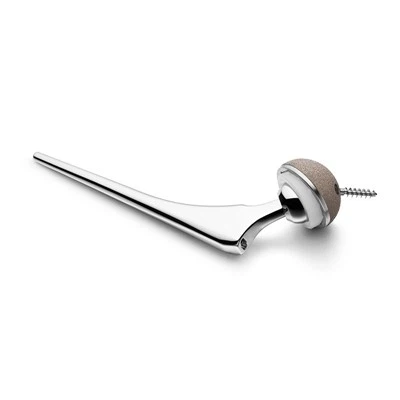
Hey there! As a supplier of DCP plates, I often get asked a bunch of questions about these plates, and one that pops up quite a bit is, "Can a DCP plate be used in wet conditions?" Let's dig into this topic and find out what's what.
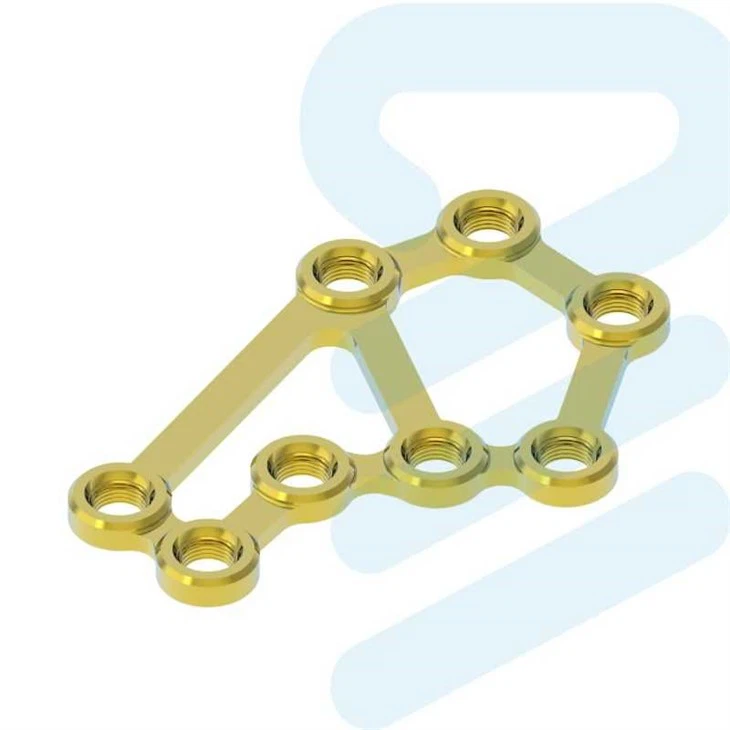
First off, let's quickly go over what a DCP plate is. A Dynamic Compression Plate (you can click Dynamic Compression Plate to know more details) is a type of orthopedic implant used in the fixation of bone fractures. It's designed to provide stable support to the broken bone, allowing it to heal properly. These plates are made from high - quality materials like titanium or stainless steel, which are chosen for their strength, durability, and biocompatibility.

Now, let's talk about wet conditions. In the medical field, wet conditions can refer to a few different scenarios. For example, during surgery, the surgical site is often moist due to the presence of bodily fluids like blood and saline. After surgery, the wound might also be exposed to some moisture during the healing process, such as from sweat or minor leakage.
When it comes to using a DCP plate in wet conditions during surgery, it's generally not a problem. The materials used to make these plates are corrosion - resistant. Titanium, for instance, forms a thin oxide layer on its surface when exposed to oxygen. This layer acts as a protective barrier, preventing the metal from reacting with the wet environment in the body. Stainless steel also has good corrosion resistance, thanks to the chromium content in it, which forms a passive film on the surface.
However, there are a few things to keep in mind. The wet environment in the body contains various electrolytes and proteins. These substances can potentially affect the surface of the plate over time. For example, if there's a lot of inflammation at the surgical site, the increased levels of certain enzymes and chemicals in the fluid can cause a very slight degradation of the plate's surface. But modern DCP plates are designed to withstand these conditions. The manufacturers conduct extensive testing to ensure that the plates can maintain their integrity in the presence of bodily fluids.
After surgery, if the wound is kept clean and dry as much as possible, the plate will be fine. But if the wound gets overly wet for a long time, say, due to improper wound care or a leaky dressing, it could increase the risk of infection. And an infected wound can have a negative impact on the plate. Bacteria in the wet environment can adhere to the plate's surface and form a biofilm. This biofilm can protect the bacteria from the body's immune system and antibiotics, leading to a chronic infection.
Let's also consider other types of plates in our product range. We also offer Calcaneus Plate and Clavicle Hook Reconstruction Plate. The same principles apply to these plates when it comes to wet conditions. They are made from similar materials and are designed to be used in the body's wet environment during surgery. But proper post - operative care is crucial to prevent any issues related to moisture.
Another aspect to think about is the mechanical properties of the plate. Moisture doesn't really have a significant impact on the strength and stability of the plate in the short term. The plate is engineered to hold the broken bone fragments together firmly, and a little bit of moisture won't cause it to lose its grip. But in the long run, if there are issues like infection due to wet conditions, it can affect the bone - plate interface. The infection can lead to bone resorption around the plate, which can then compromise the stability of the fixation.
To sum it up, a DCP plate can be used in wet conditions during surgery without major problems because of the corrosion - resistant materials it's made of. But after surgery, it's important to keep the wound as dry as possible to prevent infection and other complications. If you're a medical professional considering using our DCP plates or any of our other orthopedic implants, you can be confident in their performance in the body's natural wet environment.
If you're interested in purchasing our DCP plates, Calcaneus Plate, or Clavicle Hook Reconstruction Plate, we'd love to have a chat with you. We can provide more detailed information about our products, answer any other questions you might have, and discuss the best options for your specific needs. Just reach out to us, and let's start the conversation about how we can work together to improve patient outcomes.
References
- "Orthopedic Implants: Materials and Biomechanics" - A comprehensive textbook on orthopedic implant materials and their behavior in the body.
- Research papers on the corrosion resistance of titanium and stainless steel in physiological environments.