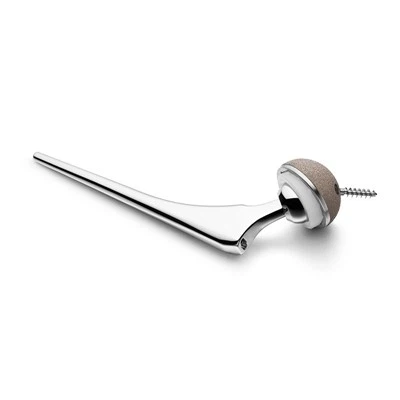
The metacarpal bones, located in the hand between the wrist and the fingers, play a crucial role in hand function. When these bones are fractured, proper treatment is essential to restore normal hand movement and functionality. One of the treatment options that has gained significant attention in recent years is the use of a Straight Metacarpal Plate. As a supplier of Straight Metacarpal Plates, I am well - versed in the product and its impact on the surrounding soft tissues. In this blog, we will explore the effects of a Straight Metacarpal Plate on the soft tissues around the metacarpal bone.
Understanding the Soft Tissues around the Metacarpal Bone
Before delving into the effects of the Straight Metacarpal Plate, it is important to understand the soft tissues around the metacarpal bone. These soft tissues include muscles, tendons, ligaments, blood vessels, and nerves. Muscles are responsible for providing the force for hand movement. Tendons connect muscles to bones, allowing the transfer of force from the muscles to the bones during movement. Ligaments hold the bones together and provide stability to the joints. Blood vessels supply oxygen and nutrients to the tissues, while nerves are responsible for sensory and motor functions in the hand.
Positive Effects of a Straight Metacarpal Plate on Soft Tissues
1. Facilitation of Healing
One of the primary positive effects of a Straight Metacarpal Plate is its ability to facilitate the healing of the fractured metacarpal bone. By providing stable fixation, the plate allows the bone to heal in the correct position. This stability reduces the stress on the surrounding soft tissues. When a bone is fractured, the soft tissues around it are often damaged as well. The proper alignment and fixation provided by the plate help to minimize further damage to the soft tissues during the healing process. For example, if the bone fragments are not properly aligned, they can cause irritation and damage to the nearby tendons and ligaments. The Straight Metacarpal Plate helps to prevent this by holding the bone fragments in place.
2. Preservation of Muscle and Tendon Function
The Straight Metacarpal Plate is designed in such a way that it can preserve the function of the muscles and tendons around the metacarpal bone. Its low - profile design reduces the interference with the normal movement of the tendons. Tendons need to glide smoothly over the bones during hand movement. A well - placed Straight Metacarpal Plate ensures that the tendons can move freely without being caught or restricted by the plate. This is crucial for maintaining normal hand function and preventing tendon adhesions, which can lead to reduced range of motion and pain.
3. Protection of Blood Vessels and Nerves
The plate also provides some level of protection to the blood vessels and nerves around the metacarpal bone. During the surgical placement of the plate, surgeons take great care to avoid damaging these vital structures. Once the plate is in place, it can act as a barrier to prevent further injury to the blood vessels and nerves from external forces or bone fragments. This protection is essential for maintaining the blood supply to the tissues and ensuring proper sensory and motor function in the hand.
Potential Negative Effects of a Straight Metacarpal Plate on Soft Tissues
1. Soft Tissue Irritation
Although the Straight Metacarpal Plate is designed to be as minimally invasive as possible, it can still cause some irritation to the surrounding soft tissues. The presence of a foreign object in the body can trigger an inflammatory response. The soft tissues may become swollen, red, and painful in the area around the plate. This irritation can be particularly problematic if the plate is not properly sized or placed. For example, if the plate is too large or if it protrudes too much from the bone surface, it can rub against the tendons and muscles, causing further damage.
2. Scar Tissue Formation
Another potential negative effect is the formation of scar tissue around the plate. Scar tissue is a natural part of the healing process, but excessive scar tissue can cause problems. It can adhere to the tendons, ligaments, and other soft tissues, restricting their movement. This can lead to a decrease in the range of motion of the hand and may also cause pain. The amount of scar tissue formation can be influenced by factors such as the patient's individual healing response, the surgical technique used, and the length of time the plate remains in the body.
3. Infection Risk
The presence of a Straight Metacarpal Plate also increases the risk of infection in the soft tissues around the metacarpal bone. Bacteria can enter the surgical site during the operation or later through the skin. Once an infection occurs, it can spread to the soft tissues and even to the bone. Infections can cause severe pain, swelling, and in some cases, may require the removal of the plate. Preventing infection is crucial, and this involves strict surgical asepsis, appropriate use of antibiotics, and proper wound care after the surgery.
Mitigating the Negative Effects
To minimize the negative effects of a Straight Metacarpal Plate on the soft tissues, several strategies can be employed.
1. Proper Plate Selection
Surgeons need to carefully select the appropriate size and type of Straight Metacarpal Plate for each patient. A plate that is too large or too small can cause problems. By choosing the right plate, the risk of soft tissue irritation and interference with normal function can be reduced. For example, a plate with a thinner profile may be less likely to cause irritation to the tendons.
2. Skillful Surgical Technique
The surgical technique used to place the plate is also crucial. Surgeons should have a good understanding of the anatomy of the hand and take great care to avoid damaging the soft tissues during the operation. They should also ensure that the plate is properly positioned and fixed to the bone. Minimally invasive surgical techniques can also be used to reduce the amount of soft tissue damage during the procedure.
3. Post - operative Care
Proper post - operative care is essential for reducing the negative effects of the plate on the soft tissues. This includes regular wound care to prevent infection, physical therapy to maintain the range of motion of the hand, and monitoring for any signs of complications. Physical therapy can help to prevent the formation of scar tissue and improve the function of the muscles and tendons.


Our Product Range and Advantages
As a supplier of Straight Metacarpal Plates, we offer a high - quality product that is designed to minimize the negative effects on the soft tissues while maximizing the positive effects. Our plates are made from high - grade materials that are biocompatible, reducing the risk of an adverse immune response. They are also precision - engineered to have a low - profile design, which helps to reduce the interference with the surrounding soft tissues.
In addition to our Straight Metacarpal Plates, we also offer a range of other hand trauma implants, such as the H Shape Metacarpal Plate, Titanium Finger Plate, and 1.5 mm Condylar Locking Plate. These products are designed to meet the diverse needs of patients with hand fractures.
Conclusion
The Straight Metacarpal Plate has both positive and negative effects on the soft tissues around the metacarpal bone. While it can facilitate bone healing, preserve muscle and tendon function, and protect blood vessels and nerves, it can also cause soft tissue irritation, scar tissue formation, and increase the risk of infection. However, by proper plate selection, skillful surgical technique, and appropriate post - operative care, these negative effects can be minimized.
If you are interested in our Straight Metacarpal Plates or other hand trauma implants, we invite you to contact us for procurement and further discussion. We are committed to providing high - quality products and excellent customer service to meet your needs.
References
- Jupiter JB, Ring D. Fractures of the Hand and Wrist. Lippincott Williams & Wilkins; 2006.
- Cooney WP III, Linscheid RL, Dobyns JH. The wrist: diagnosis and operative treatment. Mosby; 1998.
- Melone CP Jr. Fractures of the metacarpals and phalanges. J Am Acad Orthop Surg. 1997;5(3):169 - 178.