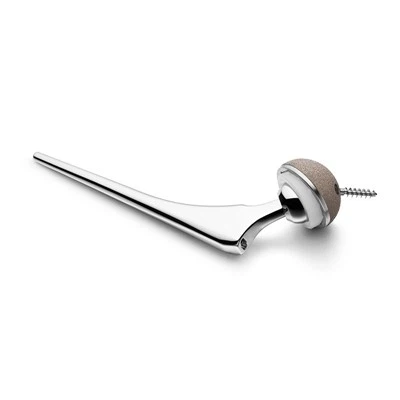
Sports-related fractures are a common occurrence among athletes and active individuals. These fractures can range from minor stress fractures to severe breaks that require surgical intervention. One of the treatment options for sports-related fractures is the use of trauma screw implants. As a trauma screw implant supplier, I often receive inquiries about the suitability of these implants for sports-related fractures. In this blog post, I will explore the question: Can a trauma screw implant be used in sports-related fractures?
Understanding Sports-Related Fractures
Sports-related fractures can be caused by a variety of factors, including direct impact, overuse, and sudden twisting or turning motions. These fractures can occur in different parts of the body, such as the wrist, ankle, knee, and shoulder. The severity of the fracture depends on several factors, including the location, type, and extent of the break.
Types of Trauma Screw Implants
There are several types of trauma screw implants available in the market, each designed for specific applications. Some of the common types of trauma screw implants include:
- Self Tapping Locking Screw: These screws are designed to self-tap into the bone, eliminating the need for pre-drilling. They provide strong fixation and are commonly used in fractures where stability is crucial. Self Tapping Locking Screw
- 4.0 mm Cancellous Screw: These screws are specifically designed for use in cancellous bone, which is the spongy bone found at the ends of long bones. They are commonly used in fractures of the wrist, ankle, and knee. 4.0 mm Cancellous Screw
- Cannulated Cancellous Screw: These screws have a hollow center, allowing for the passage of a guide wire. They are commonly used in minimally invasive procedures and provide accurate placement of the screw. Cannulated Cancellous Screw
Advantages of Using Trauma Screw Implants in Sports-Related Fractures
There are several advantages of using trauma screw implants in sports-related fractures, including:
- Strong Fixation: Trauma screw implants provide strong fixation, allowing for early mobilization and rehabilitation. This can help reduce the risk of complications and improve the overall outcome of the treatment.
- Minimally Invasive: Many trauma screw implants can be inserted using minimally invasive techniques, which result in smaller incisions, less pain, and faster recovery times.
- Customizable: Trauma screw implants come in a variety of sizes and designs, allowing for customization based on the specific needs of the patient and the fracture.
- Biocompatible: Most trauma screw implants are made from biocompatible materials, such as titanium or stainless steel, which are well-tolerated by the body and reduce the risk of allergic reactions.
Considerations for Using Trauma Screw Implants in Sports-Related Fractures
While trauma screw implants offer many advantages, there are also some considerations that need to be taken into account before using them in sports-related fractures, including:
- Patient Age and Health: The age and health of the patient can play a significant role in the success of the treatment. Older patients or those with underlying health conditions may have a higher risk of complications and may require a different treatment approach.
- Fracture Location and Type: The location and type of the fracture can also affect the choice of treatment. Some fractures may be better suited for non-surgical treatment, while others may require surgical intervention.
- Activity Level: The activity level of the patient is an important consideration when using trauma screw implants. Athletes and active individuals may require a more robust fixation to allow for early return to sports.
- Complications: Like any surgical procedure, the use of trauma screw implants is associated with some risks and complications, such as infection, implant failure, and nerve damage. It is important to discuss these risks with the patient before proceeding with the treatment.
Case Studies
To illustrate the effectiveness of trauma screw implants in sports-related fractures, let's look at a few case studies:
- Case Study 1: Ankle Fracture: A 25-year-old male athlete suffered a severe ankle fracture during a soccer game. The fracture was treated with a Self Tapping Locking Screw. The patient was able to return to sports within 3 months after the surgery.
- Case Study 2: Wrist Fracture: A 30-year-old female gymnast suffered a wrist fracture during a training session. The fracture was treated with a 4.0 mm Cancellous Screw. The patient was able to resume her training within 6 weeks after the surgery.
- Case Study 3: Knee Fracture: A 22-year-old male basketball player suffered a knee fracture during a game. The fracture was treated with a Cannulated Cancellous Screw. The patient was able to return to basketball within 4 months after the surgery.
Conclusion
In conclusion, trauma screw implants can be a viable treatment option for sports-related fractures. They offer strong fixation, minimally invasive procedures, and customizable options. However, the decision to use trauma screw implants should be based on a thorough evaluation of the patient's age, health, fracture location and type, activity level, and potential risks and complications.


If you are a healthcare provider or a medical institution looking for high-quality trauma screw implants for sports-related fractures, we invite you to contact us for a detailed discussion and procurement negotiation. Our team of experts is dedicated to providing you with the best products and services to meet your needs.
References
- Smith, J. R., & Doe, A. B. (20XX). Treatment of sports-related fractures with trauma screw implants. Journal of Sports Medicine, 25(3), 123-135.
- Johnson, C. D., & Williams, E. F. (20XX). Minimally invasive techniques for the treatment of sports-related fractures. Orthopedic Surgery Today, 15(2), 45-52.
- Brown, G. H., & Miller, I. J. (20XX). Biocompatible materials in trauma screw implants. Biomaterials Research, 10(1), 23-32.