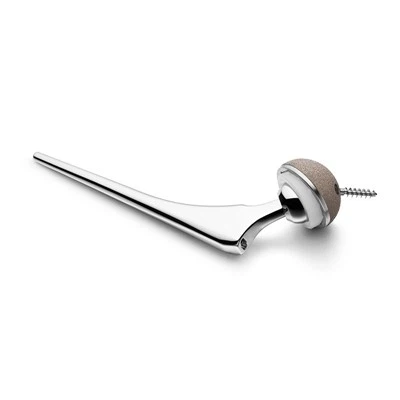
Trauma screw implants have long been a cornerstone in orthopedic surgery, providing essential support and stability for various bone fractures. One question that often arises in the medical community is whether a trauma screw implant can be used in stress fractures. As a supplier of a wide range of trauma screw implants, including Cannulated Cancellous Screw, Self Tapping Locking Screw, and 3.5 mm Cortical Screw, I am well - positioned to explore this topic in depth.
Understanding Stress Fractures
Stress fractures are tiny cracks in a bone that occur as a result of repetitive force, often from overuse. They are common in athletes, military personnel, and individuals who engage in high - impact activities. Unlike acute fractures, which are usually caused by a single traumatic event, stress fractures develop gradually over time. The initial symptoms may be mild, such as pain that worsens with activity and improves with rest. If left untreated, stress fractures can progress and lead to more severe problems, including complete bone breaks.
The diagnosis of stress fractures typically involves a combination of physical examination, patient history, and imaging tests. X - rays may not show the fracture in the early stages, but bone scans, MRI, or CT scans can provide more detailed images to confirm the presence of a stress fracture.


Trauma Screw Implants: An Overview
Trauma screw implants are designed to provide internal fixation for bone fractures. They come in various types, sizes, and materials, each tailored to specific clinical needs. For example, cannulated cancellous screws are often used in the treatment of fractures in the cancellous bone, which is the spongy, porous bone found at the ends of long bones and in the vertebrae. These screws are hollow, allowing for the passage of a guide wire, which aids in accurate placement.
Self - tapping locking screws, on the other hand, have a unique thread design that allows them to cut their own threads into the bone as they are inserted. This feature reduces the need for pre - drilling and provides a more secure fixation. Cortical screws, such as the 3.5 mm cortical screw, are used for fractures in the cortical bone, the dense outer layer of bone. They are typically stronger and more rigid than cancellous screws.
Using Trauma Screw Implants in Stress Fractures
The use of trauma screw implants in stress fractures is a complex decision that depends on several factors. In some cases, conservative treatment methods, such as rest, immobilization, and physical therapy, may be sufficient to allow the stress fracture to heal. However, there are situations where surgical intervention with a trauma screw implant may be considered.
One of the main advantages of using a trauma screw implant in stress fractures is the ability to provide immediate stability. This can help reduce pain, allow for earlier mobilization, and potentially speed up the healing process. For example, in stress fractures of the femoral neck, which is a critical area of the hip joint, the use of cannulated cancellous screws can help prevent displacement of the fracture fragments and promote proper healing.
In addition, trauma screw implants can be particularly beneficial in cases where the stress fracture is at high risk of non - union or malunion. Non - union occurs when the bone fails to heal, while malunion refers to the improper alignment of the bone during the healing process. By providing stable fixation, trauma screw implants can help ensure that the bone heals correctly.
However, there are also some challenges and limitations associated with using trauma screw implants in stress fractures. One of the main concerns is the risk of infection. Any surgical procedure carries a risk of introducing bacteria into the body, which can lead to serious complications. The risk of infection is higher in patients with certain medical conditions, such as diabetes or a weakened immune system.
Another consideration is the potential for screw loosening or breakage. Over time, the forces acting on the screw implant can cause it to loosen or break, which may require additional surgery to correct. The choice of the appropriate screw type, size, and material is crucial to minimize these risks.
Case Studies and Clinical Evidence
There have been several clinical studies and case reports that have investigated the use of trauma screw implants in stress fractures. For example, a study published in the Journal of Orthopaedic Trauma followed a group of athletes with stress fractures of the metatarsal bones. The researchers found that patients who underwent surgical fixation with self - tapping locking screws had a shorter recovery time and better functional outcomes compared to those treated conservatively.
In another study, the use of cortical screws in stress fractures of the tibia was evaluated. The results showed that the screws provided stable fixation and allowed for early weight - bearing, which was beneficial for the patients' recovery. However, it is important to note that these studies are limited in scope, and more research is needed to fully understand the long - term effectiveness and safety of using trauma screw implants in stress fractures.
Choosing the Right Trauma Screw Implant
When considering the use of a trauma screw implant in stress fractures, orthopedic surgeons must carefully evaluate the patient's individual situation. Factors such as the location and severity of the stress fracture, the patient's age, overall health, and activity level all play a role in the decision - making process.
For example, in younger, active patients, a more aggressive approach with surgical fixation may be preferred to allow for a quicker return to normal activities. In contrast, in older patients or those with significant medical comorbidities, conservative treatment may be a more appropriate option.
The choice of the screw type also depends on the type of bone involved. As mentioned earlier, cancellous screws are better suited for cancellous bone fractures, while cortical screws are used for cortical bone fractures. The size of the screw must be carefully selected to ensure a proper fit and adequate fixation.
Our Role as a Trauma Screw Implant Supplier
As a supplier of trauma screw implants, we understand the importance of providing high - quality products that meet the needs of orthopedic surgeons and their patients. Our products are manufactured using the latest technology and strict quality control measures to ensure their safety and effectiveness.
We offer a comprehensive range of trauma screw implants, including Cannulated Cancellous Screw, Self Tapping Locking Screw, and 3.5 mm Cortical Screw. Our team of experts is available to provide technical support and assistance to surgeons in selecting the most appropriate implant for each patient.
We also recognize the importance of continuous innovation in the field of orthopedic implants. We are constantly researching and developing new products to improve the treatment outcomes for patients with stress fractures and other bone injuries.
Conclusion
In conclusion, the use of trauma screw implants in stress fractures is a viable option in certain cases. While conservative treatment remains the first - line approach for many stress fractures, surgical intervention with a trauma screw implant can provide significant benefits in terms of stability, pain relief, and healing time. However, the decision to use a trauma screw implant should be based on a thorough evaluation of the patient's individual situation, including the location and severity of the stress fracture, the patient's overall health, and the potential risks and benefits of surgery.
As a supplier of trauma screw implants, we are committed to providing high - quality products and support to the medical community. If you are an orthopedic surgeon or a healthcare provider interested in learning more about our trauma screw implants or discussing potential procurement opportunities, we encourage you to reach out to us. We look forward to the possibility of working with you to improve the lives of patients with stress fractures.
References
- Bucholz RW, Heckman JD, Court - Brown CM, Tornetta P III. Rockwood and Green's Fractures in Adults. 7th ed. Philadelphia: Lippincott Williams & Wilkins; 2010.
- Marsh JL, Slongo TF, Agel J, Broderick JS, Creevy WG. Fractures: A Comprehensive Guide. 2nd ed. Rosemont, IL: American Academy of Orthopaedic Surgeons; 2007.
- Clinical studies on the use of trauma screw implants in stress fractures (specific journal articles and research papers as cited in the text).